What This Document Is
This document is a final exam for a graduate-level course in Modeling Biomolecular Systems I, offered at Washington University in St. Louis. It assesses a student’s comprehensive understanding of computational methods used to study biological macromolecules. The exam focuses on applying theoretical concepts to analyze and evaluate research in the field of molecular modeling and simulation. It requires in-depth responses to discussion-based questions, demonstrating critical thinking and the ability to synthesize information from scientific literature.
Why This Document Matters
This resource is invaluable for students currently enrolled in, or preparing to take, an advanced course on biomolecular modeling and simulation. It’s particularly helpful for those seeking to gauge the expected depth of knowledge and the style of questions asked at the graduate level. Individuals aiming to strengthen their understanding of molecular dynamics, Monte Carlo methods, continuum electrostatics, and protein-ligand docking will find this exam a useful benchmark. Reviewing the scope of the questions can help identify areas needing further study and refine exam-taking strategies.
Common Limitations or Challenges
This document presents the *questions* from a final exam, but does not include any example answers, solutions, or detailed explanations. It assumes a pre-existing foundation in biomolecular modeling principles and related computational techniques. It is not a substitute for attending lectures, completing assignments, or engaging with course materials. Accessing this exam alone will not guarantee success; it’s a tool for self-assessment and focused review.
What This Document Provides
* A set of comprehensive discussion questions covering core topics in biomolecular simulation.
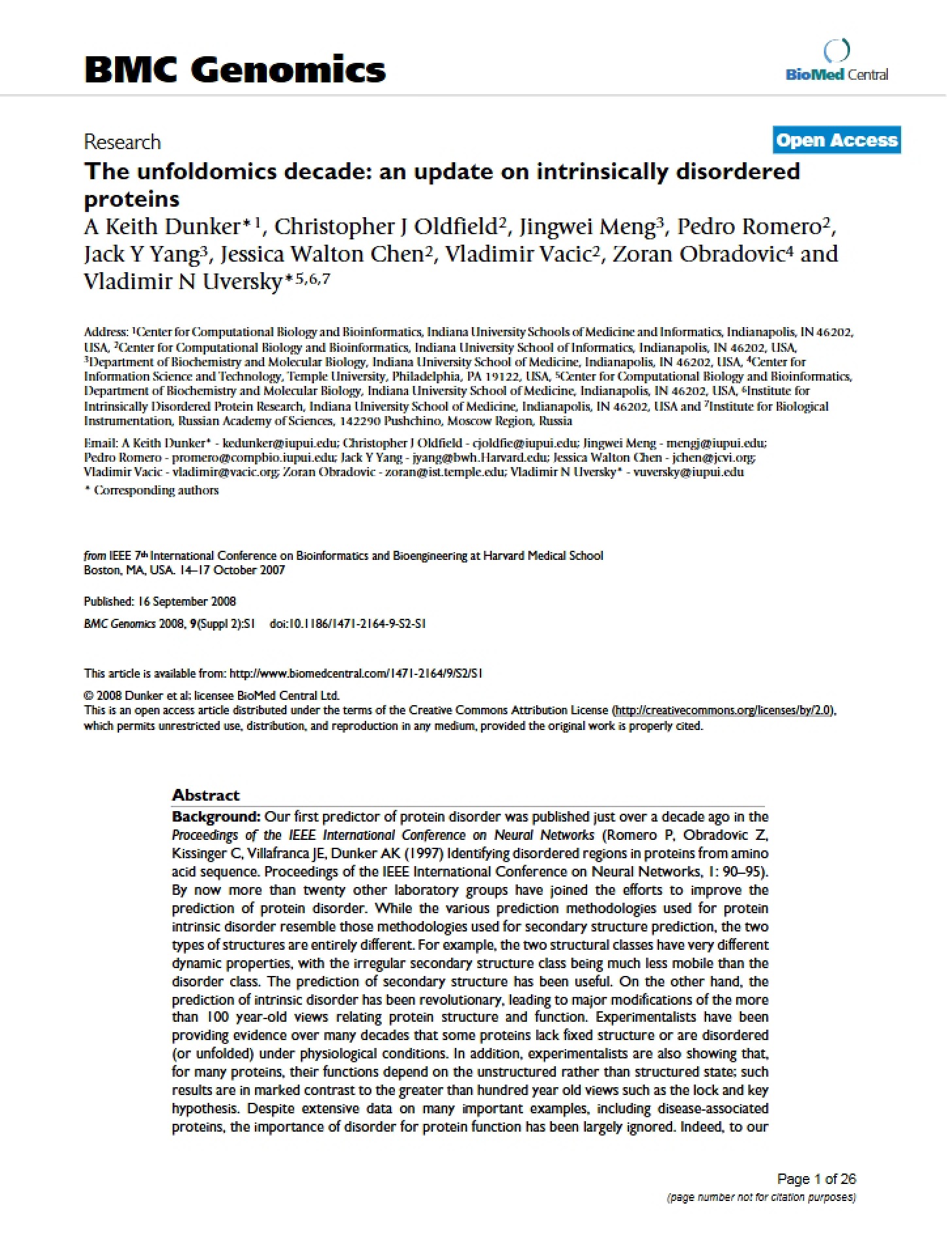
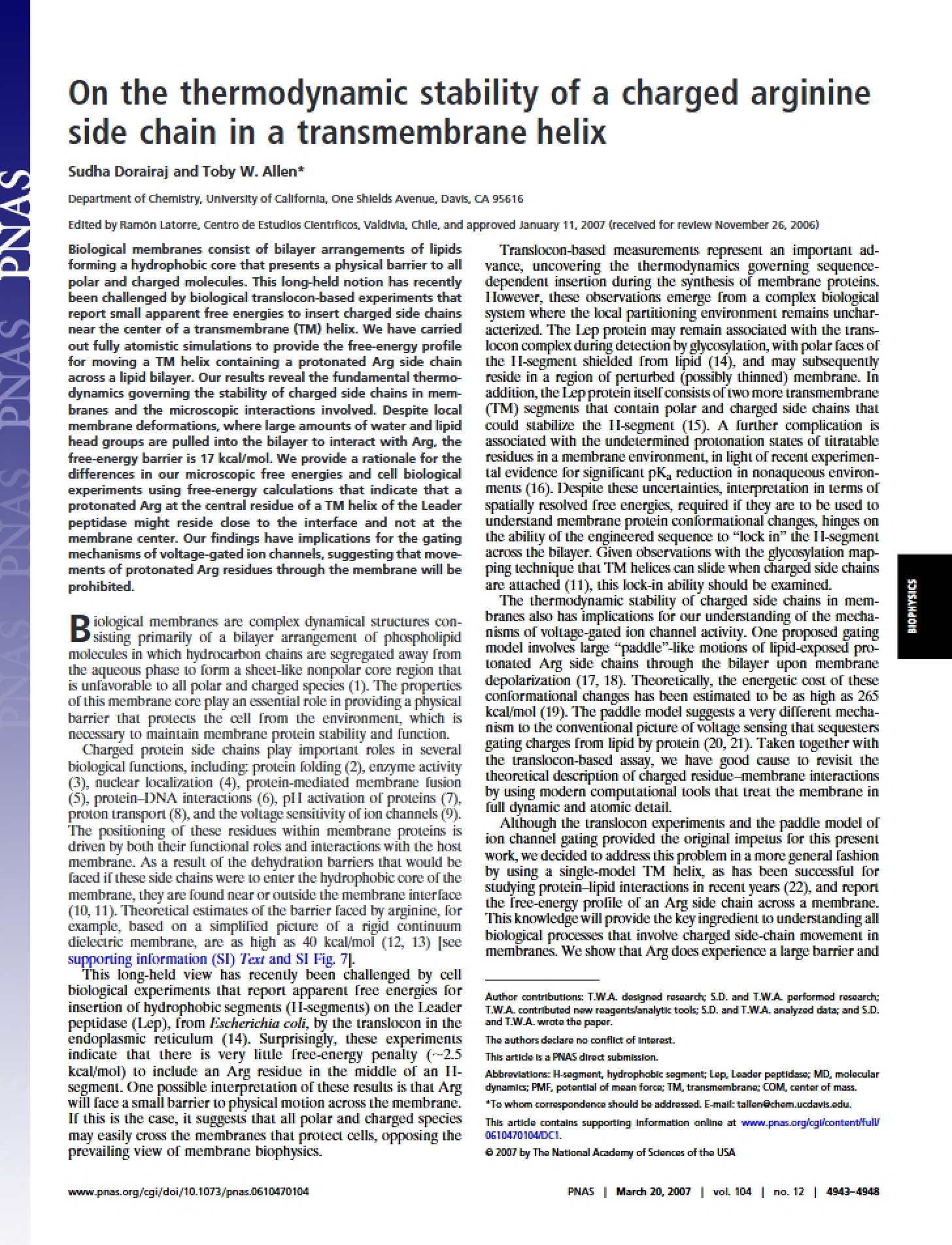
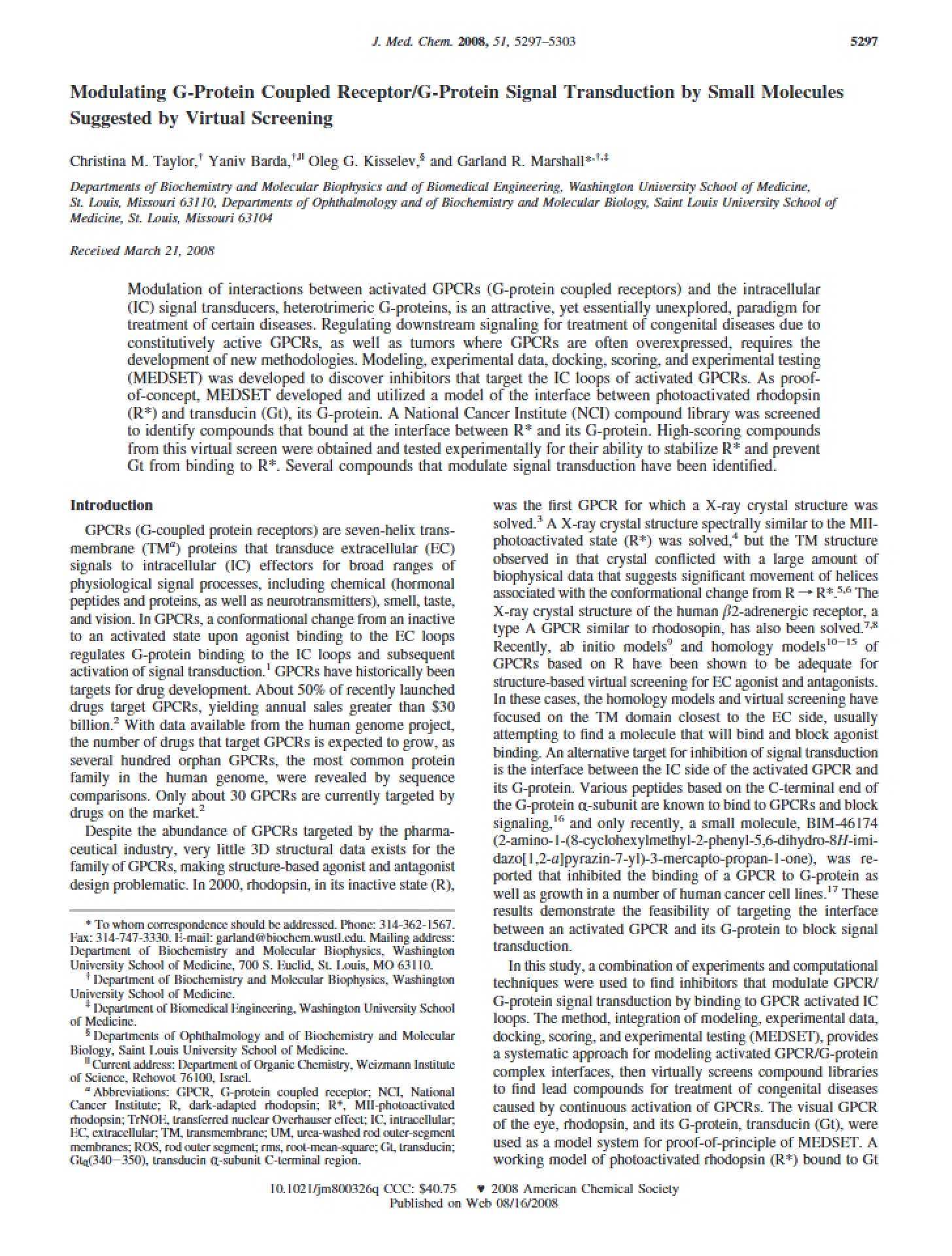
* References to key research articles relevant to each question, indicating the expected level of engagement with current literature.
* Focus areas including comparisons of simulation methodologies (Monte Carlo vs. Molecular Dynamics).
* Exploration of advanced concepts like membrane protein insertion energies and the impact of polarization in docking studies.
* Insight into the types of analytical and critical thinking skills expected in the course.