What This Document Is
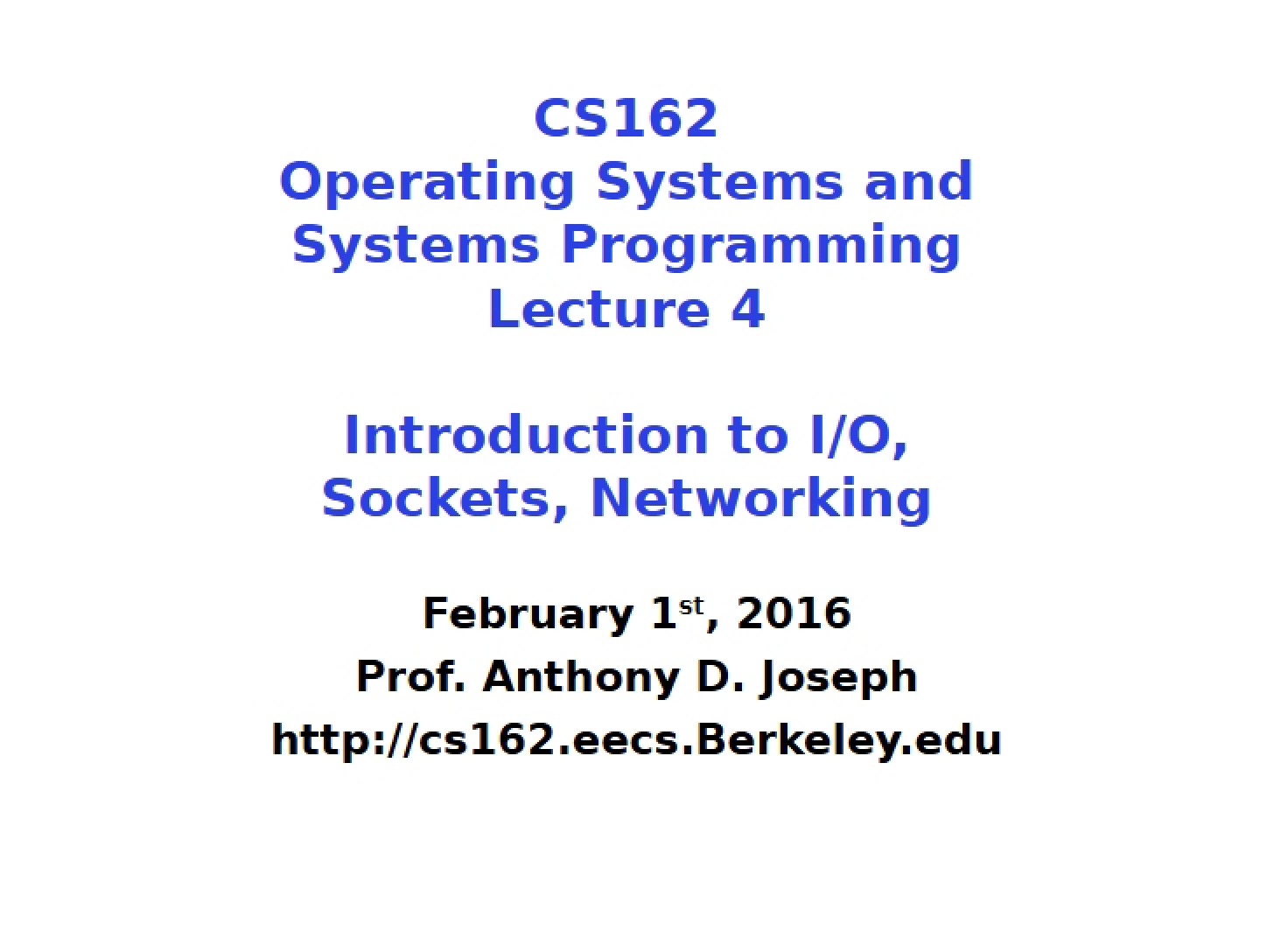
This document represents Module Seven from CS162: Operating Systems and Systems Programming at UC Berkeley. It’s a lecture transcript focused on the critical topic of synchronization in concurrent systems. This material delves into the challenges and techniques involved when multiple threads or processes need to access and modify shared resources. It builds upon foundational concepts of threading and multiprocessing, preparing students for more advanced systems programming topics.
Why This Document Matters
This module is essential for any student pursuing a deep understanding of operating systems and concurrent programming. It’s particularly valuable for those aiming to develop robust, efficient, and reliable software that can leverage multi-core processors and handle multiple tasks simultaneously. Understanding synchronization is crucial for avoiding common pitfalls like race conditions and deadlocks. Students will find this material helpful when tackling projects involving multi-threaded applications or systems-level programming assignments.
Topics Covered
* Fundamental synchronization operations and their purpose.
* Higher-level synchronization abstractions, including common tools used in concurrent programming.
* The differences between multiprocessing and multithreading approaches.
* The challenges of correctness in systems where thread scheduling is unpredictable.
* Real-world examples of concurrent systems, such as web servers and banking systems.
* Techniques for managing thread pools and handling concurrent requests efficiently.
What This Document Provides
* A detailed lecture transcript from Professor David Culler.
* Illustrative examples to frame the concepts discussed.
* A review of core threading concepts as a foundation for synchronization.
* Discussion of the implications of non-deterministic behavior in concurrent programs.
* An exploration of the trade-offs involved in different concurrency models.
* Conceptual frameworks for designing and analyzing concurrent systems.