What This Document Is
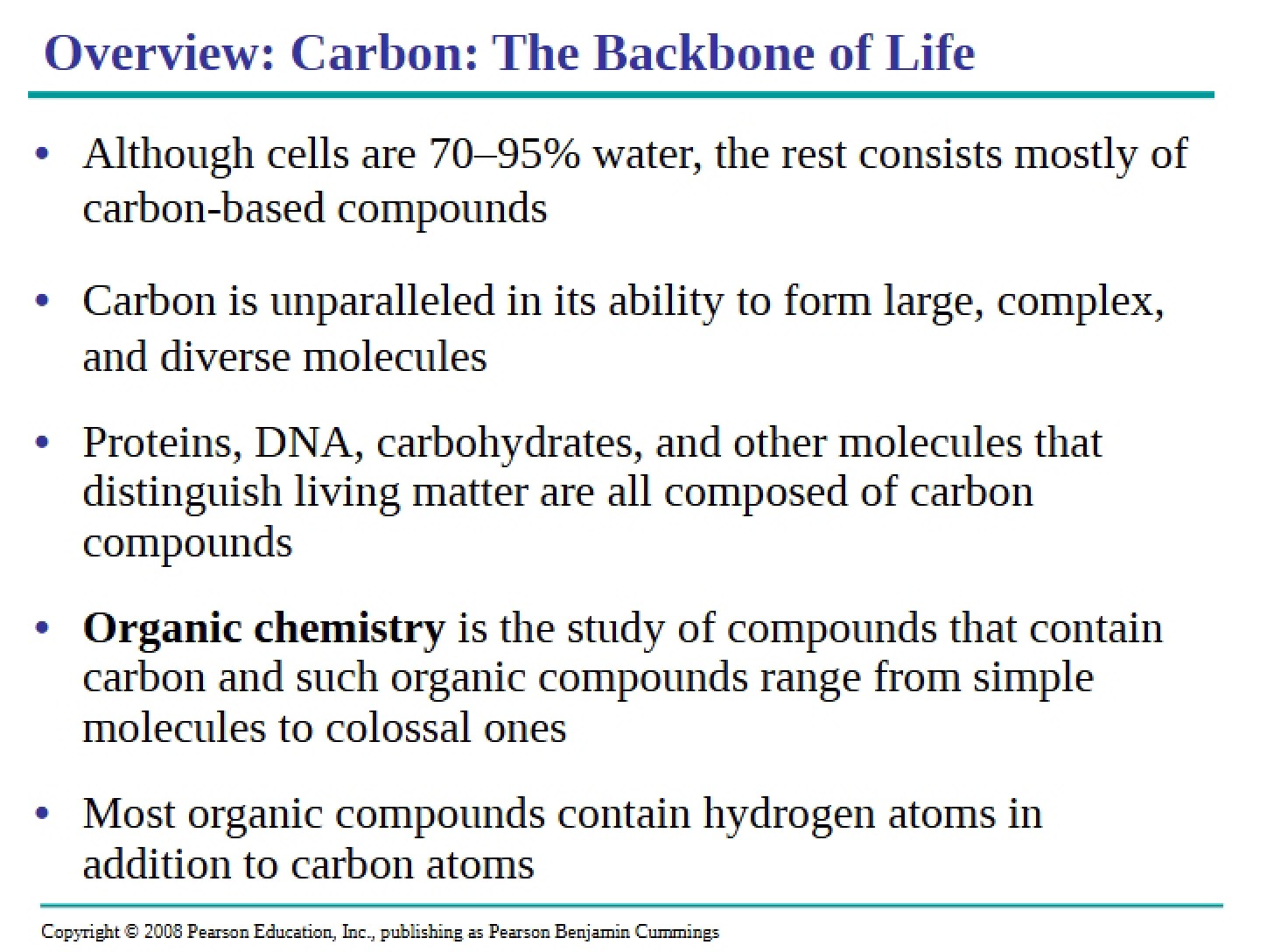
This resource is a detailed exploration of molecular diversity, specifically focusing on the central role of carbon in biological systems. It’s designed as a foundational piece for understanding the building blocks of life, delving into the properties of carbon and how those properties enable the creation of a vast array of molecules essential for living organisms. The material systematically examines the structural basis for molecular variety and introduces key concepts related to organic chemistry.
Why This Document Matters
This is an invaluable resource for students enrolled in introductory biology courses, particularly those seeking a strong grasp of biochemistry fundamentals. It’s most beneficial when studying the chemical basis of life, macromolecules, and the relationship between molecular structure and function. Students preparing for quizzes or exams on these topics will find this a helpful review and clarification tool. It’s also useful for anyone needing a refresher on the core principles governing carbon-based molecules.
Common Limitations or Challenges
This material focuses on the *principles* of molecular diversity and carbon chemistry. It does not include detailed experimental procedures, lab protocols, or specific applications within complex biological systems. While it lays the groundwork for understanding macromolecules, it doesn’t provide an exhaustive analysis of each macromolecule class (proteins, carbohydrates, lipids, nucleic acids). It also assumes a basic understanding of atomic structure and chemical bonding.
What This Document Provides
* A comprehensive overview of carbon’s unique properties and its importance in biological molecules.
* An examination of the concept of the carbon skeleton and its influence on molecular shape.
* Detailed discussion of isomeric forms and their impact on biological activity.
* An introduction to hydrocarbons and their characteristics.
* A systematic exploration of key functional groups and their roles in determining molecular behavior.
* A foundational understanding of how functional groups contribute to the chemical reactivity of organic molecules.