What This Document Is
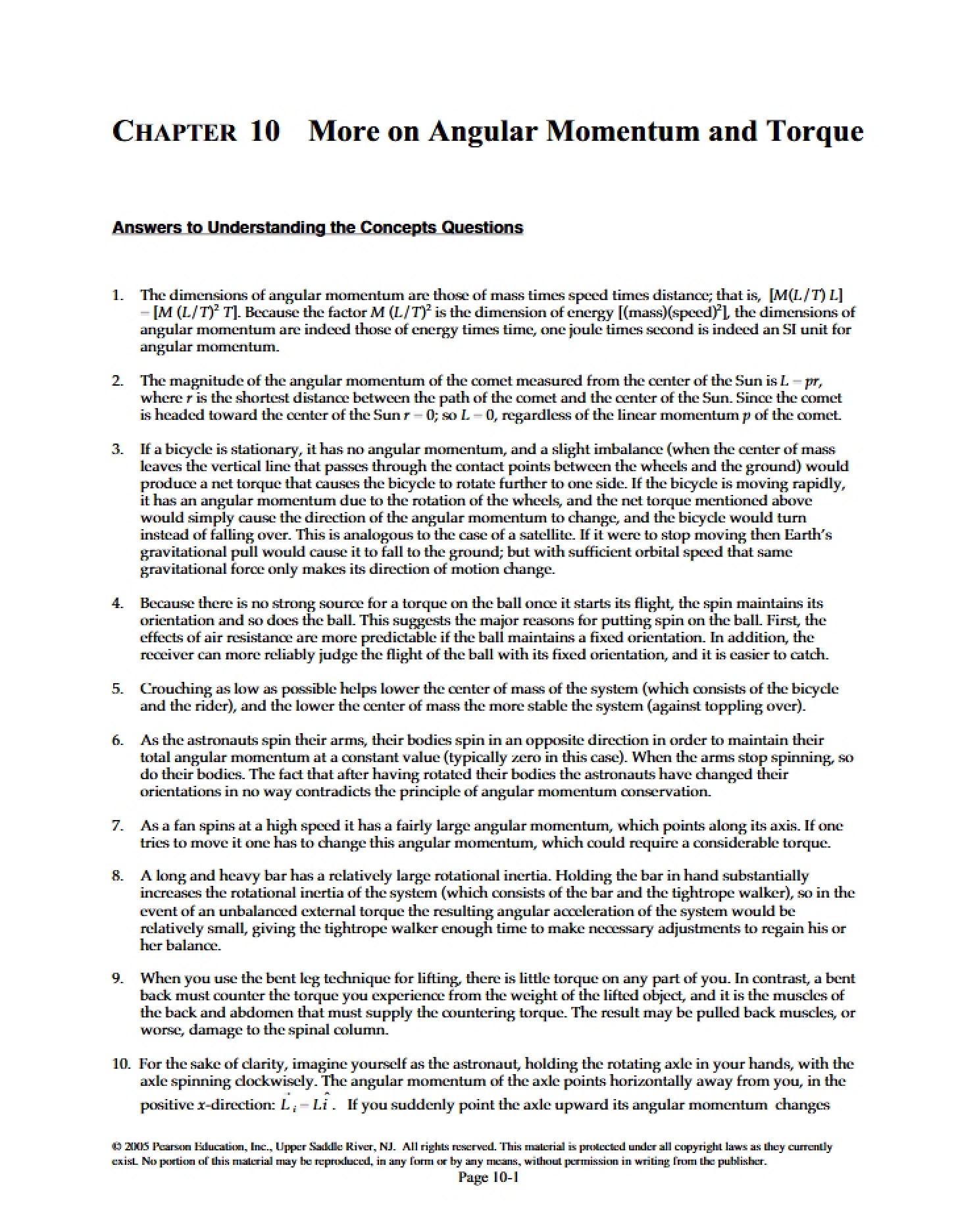
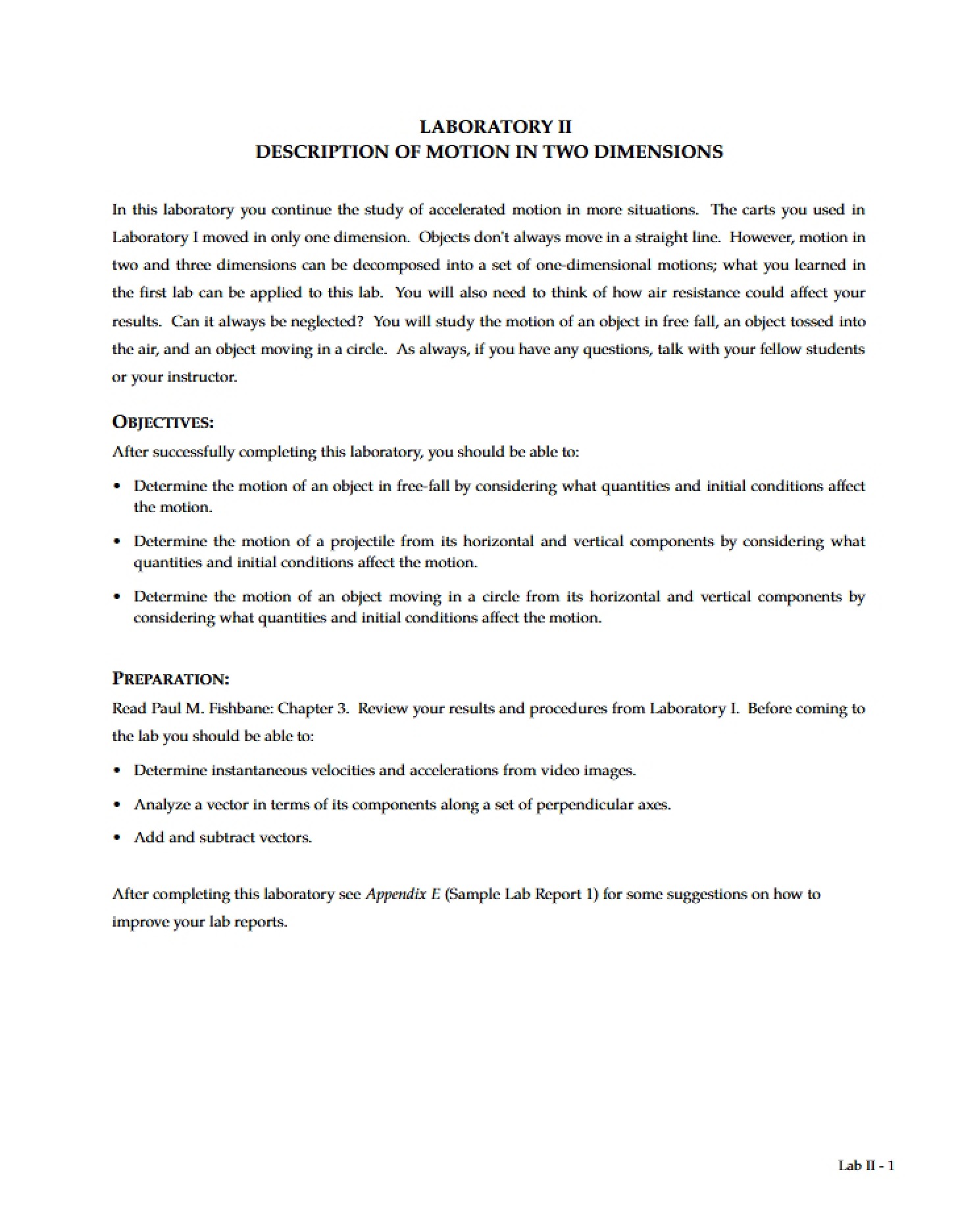
This document is a comprehensive exploration of straight-line motion, a foundational topic within introductory physics. It delves into the principles governing how objects move along a single axis, laying the groundwork for understanding more complex motion concepts. It appears to be a chapter from a larger physics textbook, complete with detailed explanations and conceptual questions designed to reinforce learning. The material focuses on the relationships between displacement, velocity, and acceleration, and how these quantities change over time.
Why This Document Matters
This resource is essential for students enrolled in an introductory physics course, particularly those in science and engineering programs. It’s ideal for use during initial learning of kinematics, when building a strong conceptual understanding is crucial. Students will find it valuable when preparing for quizzes and exams covering one-dimensional motion, and as a reference while tackling problem sets. Anyone struggling to grasp the fundamental principles of motion will benefit from a thorough review of the concepts presented within.
Common Limitations or Challenges
This material focuses on the *theory* behind straight-line motion. While it includes questions to test understanding, it does not offer step-by-step solutions or worked examples. It assumes a basic understanding of mathematical concepts like algebra and unit conversions. It also primarily addresses idealized scenarios, and may not fully cover the complexities introduced by factors like air resistance in all cases. Access to the full document is required to unlock detailed explanations and complete answers.
What This Document Provides
* Detailed discussions of key concepts like displacement, velocity, and acceleration.
* Exploration of motion with constant acceleration.
* Analysis of scenarios involving gravity and free fall.
* Conceptual questions designed to test understanding of the principles.
* Insights into the relationship between motion and time.
* Considerations of real-world applications of straight-line motion.
* Discussions on the limitations of idealized models of motion.
* Examination of terminal velocity and its influencing factors.