What This Document Is
This resource is a focused exploration of processes within Microsoft Windows operating systems, and provides comparative insights into process management in other prominent OS environments like Solaris and Linux. It delves into the fundamental building blocks of how programs execute and interact with the system, moving beyond a simple user perspective to examine the underlying mechanisms. The material is geared towards a technical understanding of operating system principles, rather than user-level application of software.
Why This Document Matters
Students enrolled in Computer Operating Systems (CS 240) at the University of Idaho will find this particularly valuable. It’s ideal for those seeking a deeper understanding of how processes are structured and managed, and how different operating systems approach similar challenges. This material is best utilized while studying process scheduling, inter-process communication, and system-level programming concepts. It serves as a strong foundation for more advanced topics in operating systems design and implementation.
Topics Covered
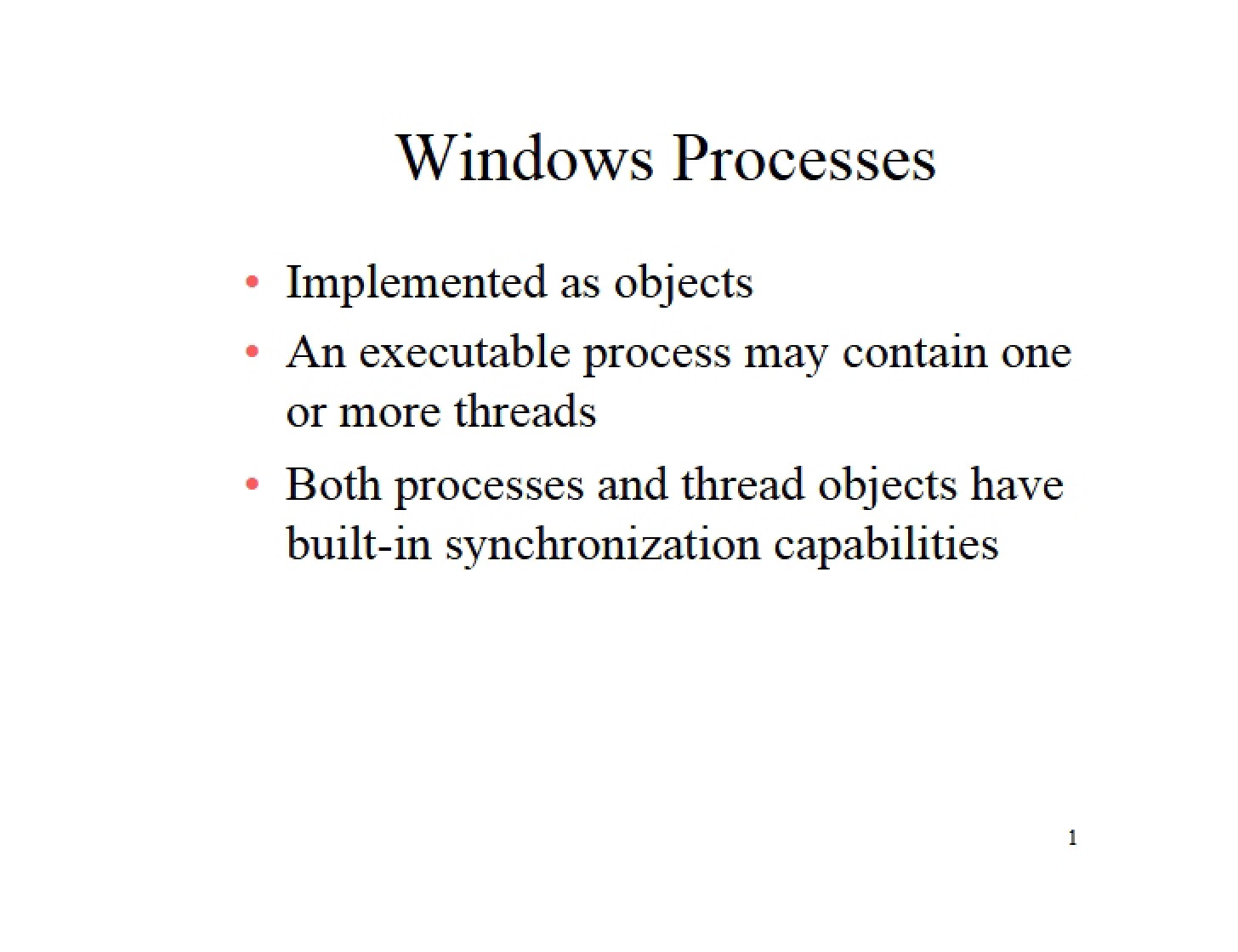
* Windows Process and Thread Objects – their core attributes and relationships.
* Process States in Windows 2000 – understanding the lifecycle of a process.
* Comparative Process Structures – examining differences between UNIX, Solaris, and Windows.
* Solaris Process and Lightweight Process (LWP) architecture.
* Linux Task Data Structures – key components and their functions.
* Process States in Linux – a detailed look at process lifecycle stages.
* Multithreading concepts across different operating systems.
What This Document Provides
* Visual representations of process and thread object structures.
* Detailed breakdowns of data structures used in process management within Solaris and Linux.
* An overview of the key elements defining process states in various operating systems.
* A comparative analysis of process management techniques across different platforms.
* A resource for understanding the internal workings of operating systems beyond the user interface.