What This Document Is
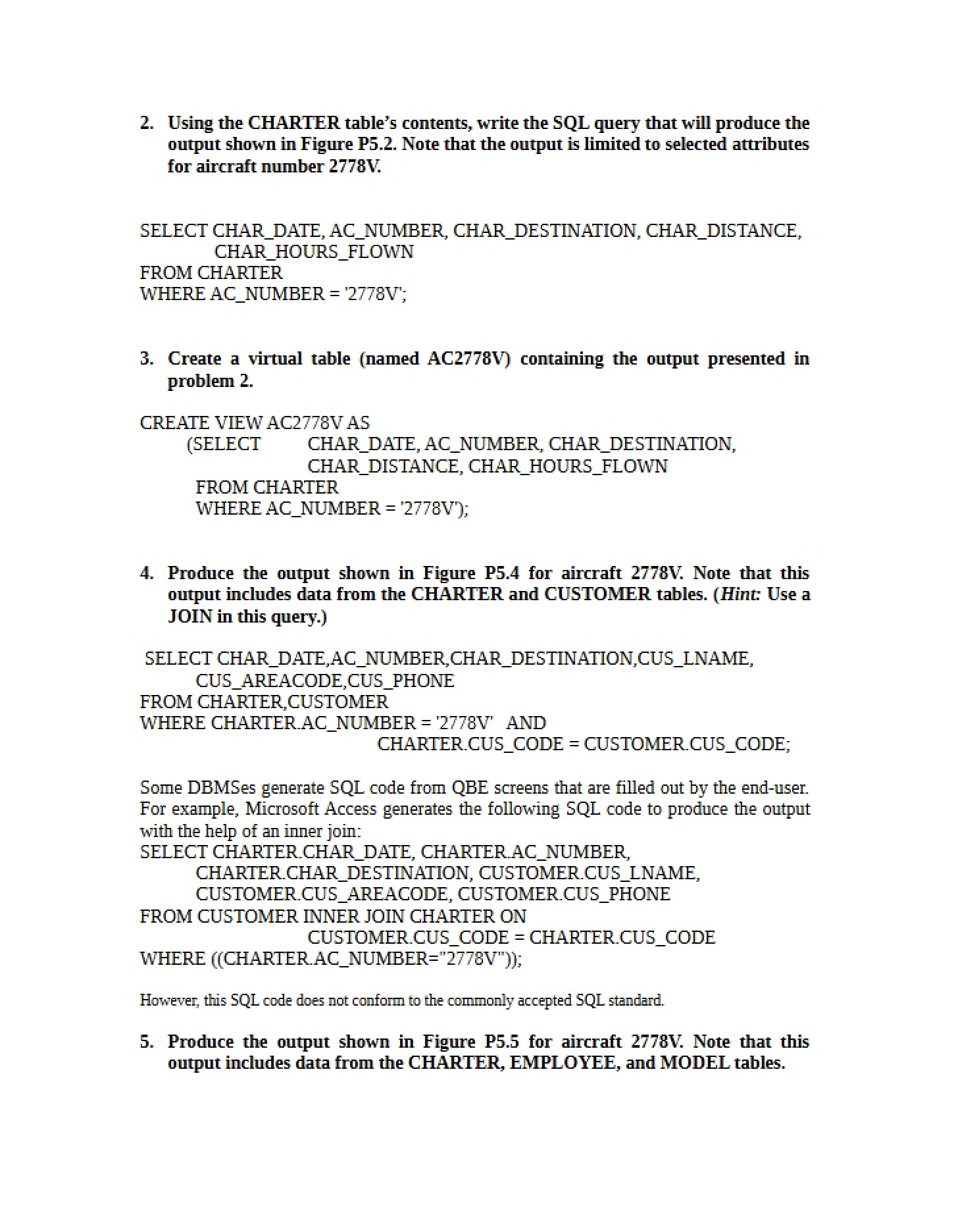
This resource is a focused exploration of advanced SQL techniques, specifically building upon foundational knowledge to work with data spread across multiple tables. It delves into methods for querying and combining information from relational databases, moving beyond single-table operations. The material is designed for students in a Database Design, Development, and Management course (CIS 324) at the University of South Alabama, and assumes a basic understanding of SQL syntax and database concepts. It builds on the principles of data retrieval and manipulation within a multi-table environment.
Why This Document Matters
This material is crucial for anyone learning to effectively manage and analyze data in real-world database systems. Students preparing for roles in data analysis, database administration, software development, or business intelligence will find this particularly valuable. If you’re facing challenges retrieving combined data from multiple related tables, or need to understand how to handle situations where data isn’t perfectly aligned across tables, this resource will provide a solid foundation. It’s ideal for reinforcing classroom learning and preparing for assignments involving complex database queries.
Common Limitations or Challenges
This resource concentrates on the *how* of querying multiple tables, but doesn’t cover database normalization principles or detailed database design methodologies. It assumes you already have a working database schema and focuses on the SQL needed to interact with it. While it introduces concepts for handling data discrepancies, it doesn’t provide exhaustive troubleshooting guides for all possible database errors. It also doesn’t cover advanced topics like stored procedures or database triggers.
What This Document Provides
* An examination of techniques for retrieving data based on conditions found in other related tables.
* An overview of methods for combining data from two or more tables into a single result set.
* Discussion of strategies for handling scenarios where not all records have corresponding entries in related tables.
* Exploration of how to build complex queries by linking multiple tables together.
* Conceptual understanding of how joins impact the resulting data sets.