What This Document Is
This study guide delves into the world of classical music, focusing on a pivotal figure from the 19th century. It’s designed to support students in GEOG 105 – The Digital Earth – by exploring how cultural expressions, specifically musical composition, reflect and interact with broader historical and societal contexts. While seemingly unrelated to geography, this material examines how artistic movements are tied to place, time, and the influences shaping them. The guide centers on a detailed examination of one composer’s life and work, analyzing their contributions within the Romantic era.
Why This Document Matters
Students enrolled in The Digital Earth will find this resource particularly helpful when considering the cultural landscapes of the 19th century. It’s ideal for those seeking a deeper understanding of how artistic output is both a product *of* and a commentary *on* the world around it. Use this guide while preparing for assessments, reviewing lecture material on cultural history, or simply expanding your knowledge of the intersection between art and the human experience. It’s especially useful for students who benefit from focused biographical and analytical studies.
Common Limitations or Challenges
This guide does not offer a comprehensive history of 19th-century music as a whole. It concentrates on a single composer and their immediate circle, using this focused lens to explore broader themes. It will not provide musical scores, audio examples, or instructions on how to *perform* the music discussed. Furthermore, it doesn’t cover the technical aspects of music theory in detail, assuming a general familiarity with musical terminology. It is intended as a supplemental resource, not a replacement for core course readings or lectures.
What This Document Provides
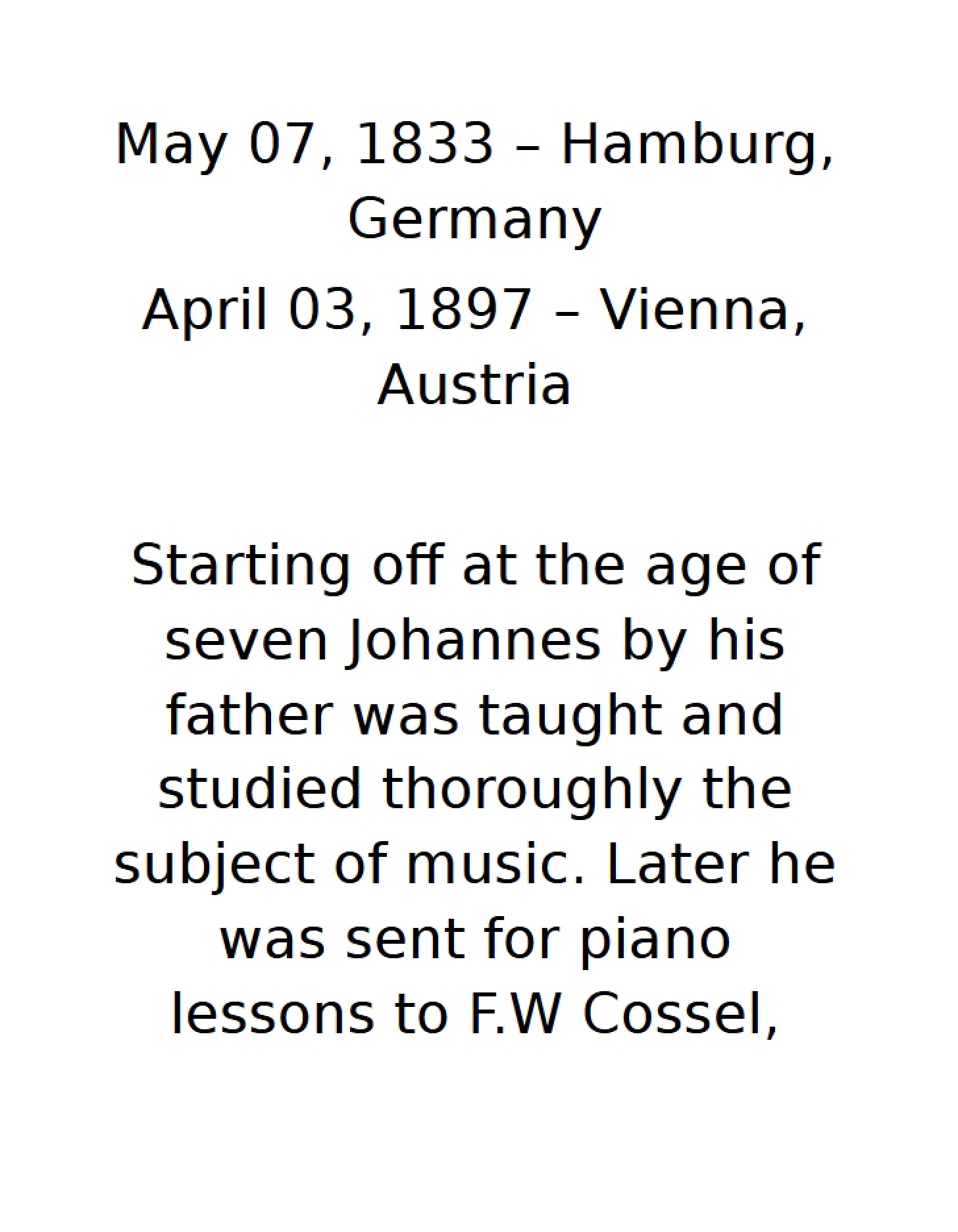
* A biographical overview of a prominent 19th-century composer.
* An exploration of the composer’s influences and relationships with contemporaries.
* Analysis of the composer’s stylistic characteristics and place within the Romantic movement.
* An overview of the composer’s major works across different musical forms.
* Discussion of the composer’s lasting impact on subsequent generations of musicians.