What This Document Is
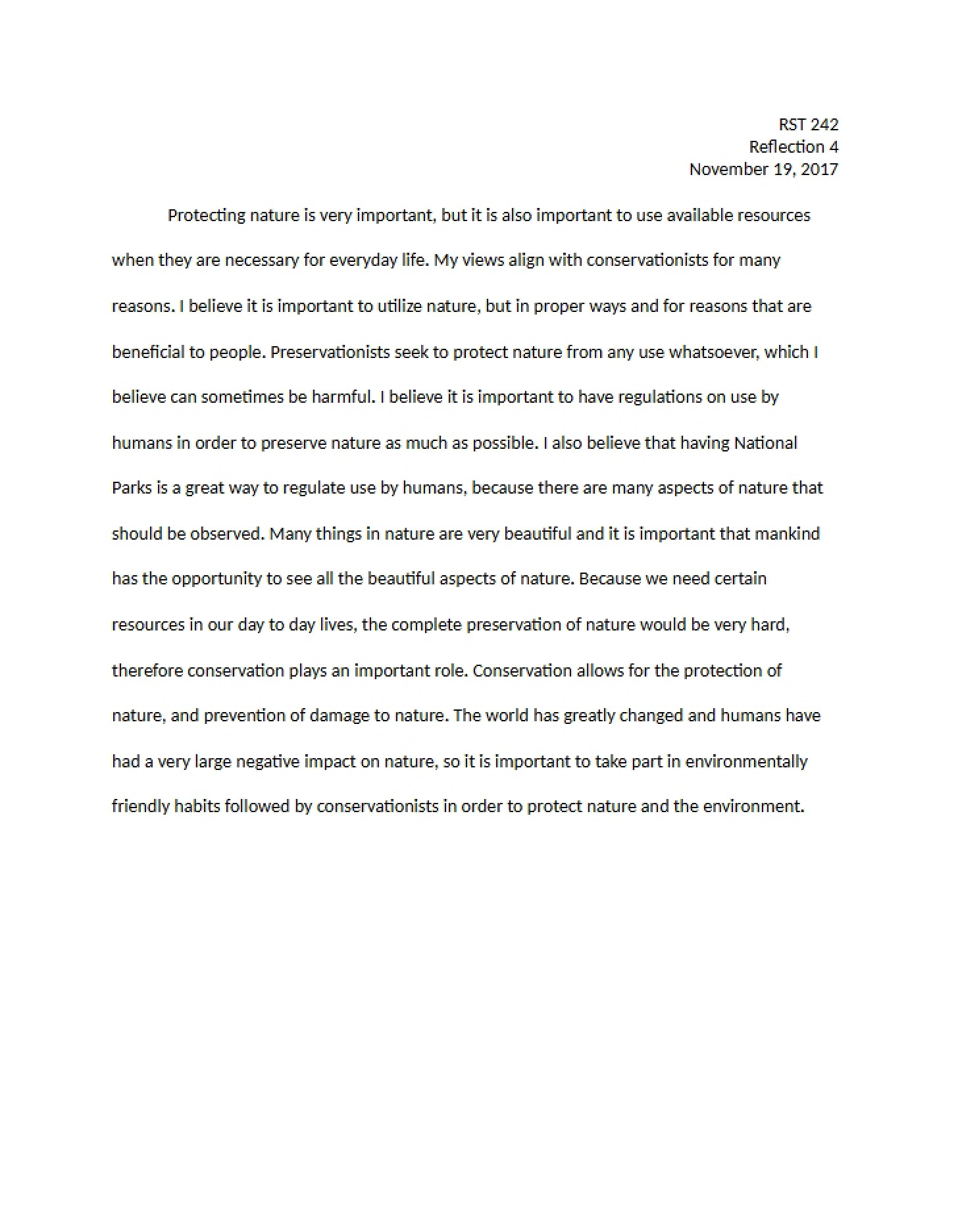
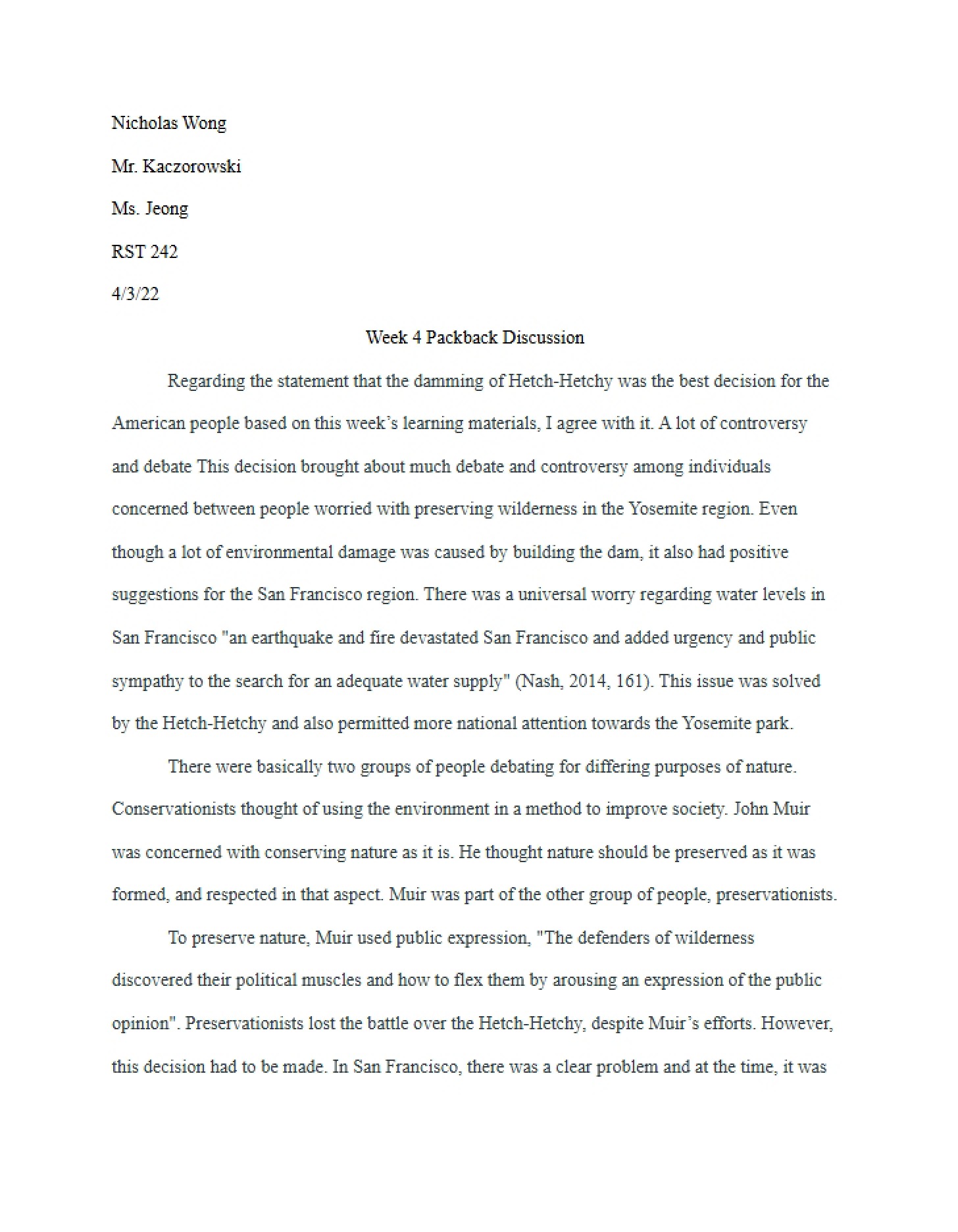
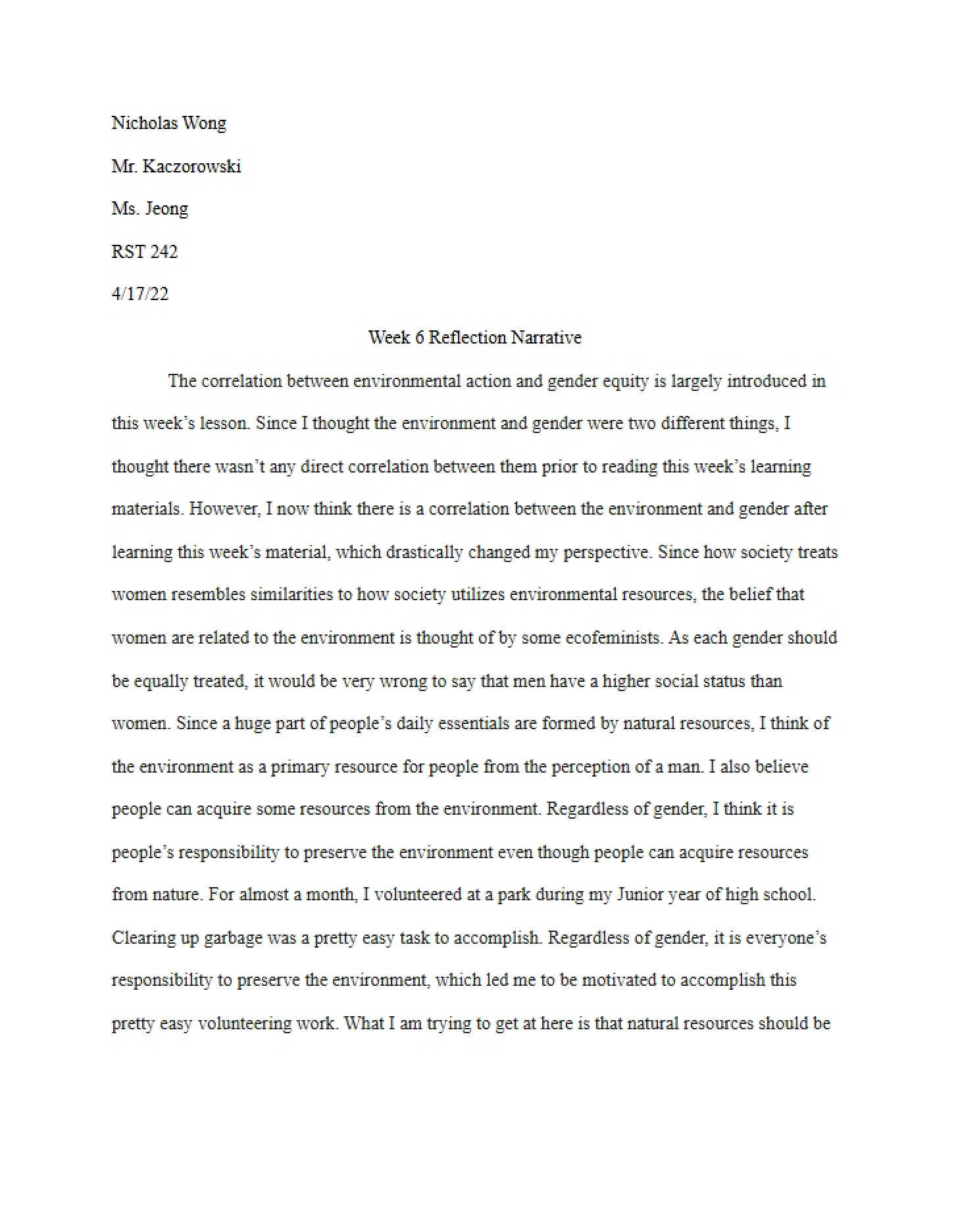
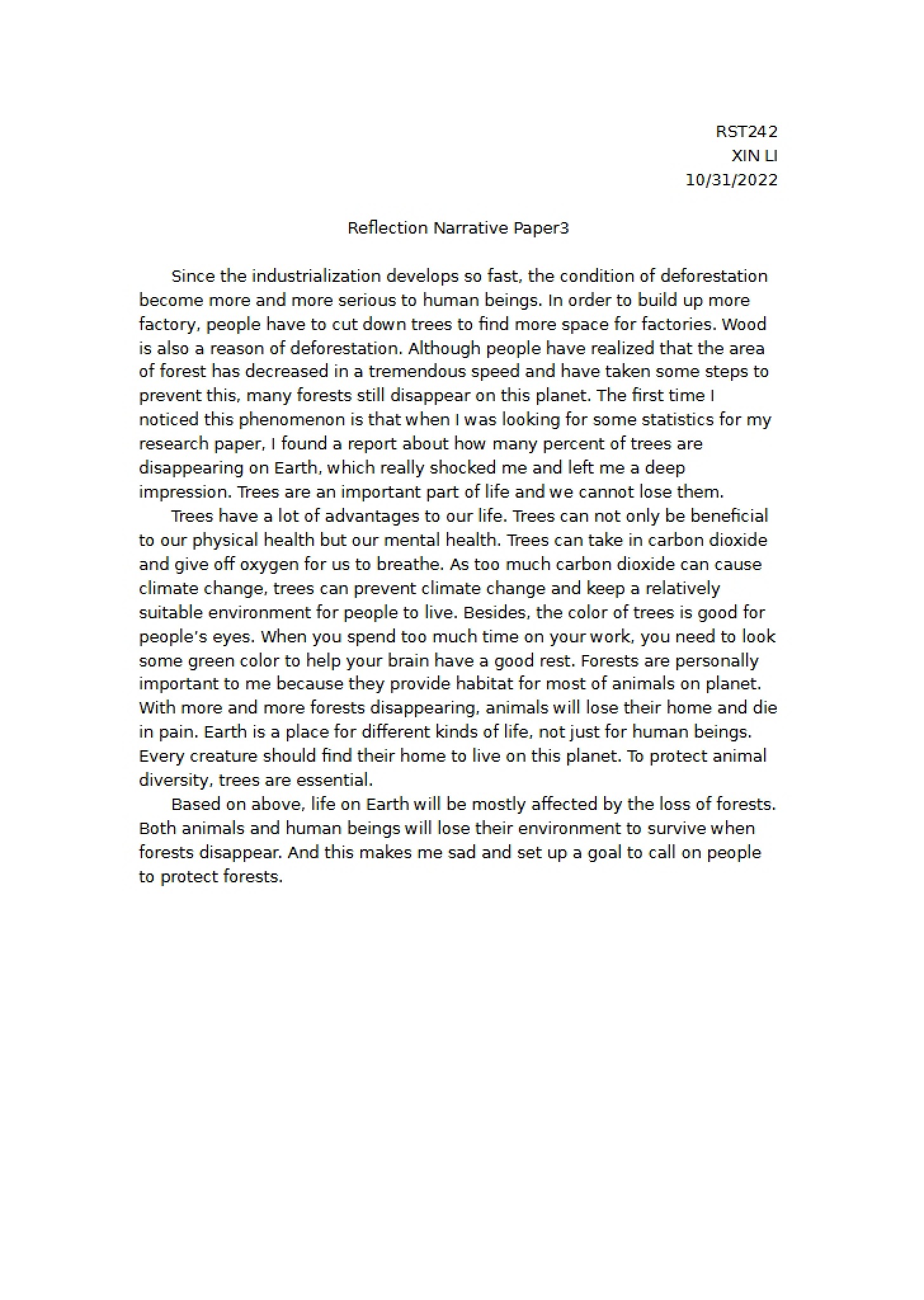
This is a personal narrative reflection paper completed as part of the RST 242: Nature and American Culture course at the University of Illinois at Urbana-Champaign. It represents a student’s individual exploration of the complex relationship between personal background, experiences, and perceptions of the natural world. The assignment centers on analyzing the factors that shape an individual’s attitudes toward landscapes and nature, moving beyond purely objective observations to consider subjective viewpoints. It’s a focused piece of academic writing designed to demonstrate critical thinking and self-awareness.
Why This Document Matters
Students enrolled in RST 242, or those studying similar courses in environmental studies, American studies, or cultural geography, will find this paper insightful. It serves as a strong example of how to approach reflective writing assignments, particularly those requiring a connection between personal experience and broader course themes. It’s most useful when you’re brainstorming your own reflection papers, seeking to understand assignment expectations, or looking for models of effective personal-academic integration. Those interested in the intersection of culture and environmental perception will also benefit from understanding the assignment’s scope.
Common Limitations or Challenges
Please note that this paper presents *one* student’s perspective and approach to the assignment. It does not offer a definitive “correct” answer or a comprehensive overview of all possible viewpoints on the topic. It will not provide specific arguments about American landscape history, nor will it detail the required components of the assignment prompt itself. It’s intended as an illustrative example, not a substitute for independent thought and research. Accessing the full paper does not guarantee success on your own assignments.
What This Document Provides
* A student’s personal reflection on influences shaping their views of nature.
* Exploration of the role of geographical origin and personal interests in environmental perception.
* An example of how individual experiences can be connected to broader cultural and historical contexts.
* Demonstration of reflective writing style and academic voice within the framework of the course.
* Insight into a student’s interpretation of course material related to landscape character and the appreciation of nature.