What This Document Is
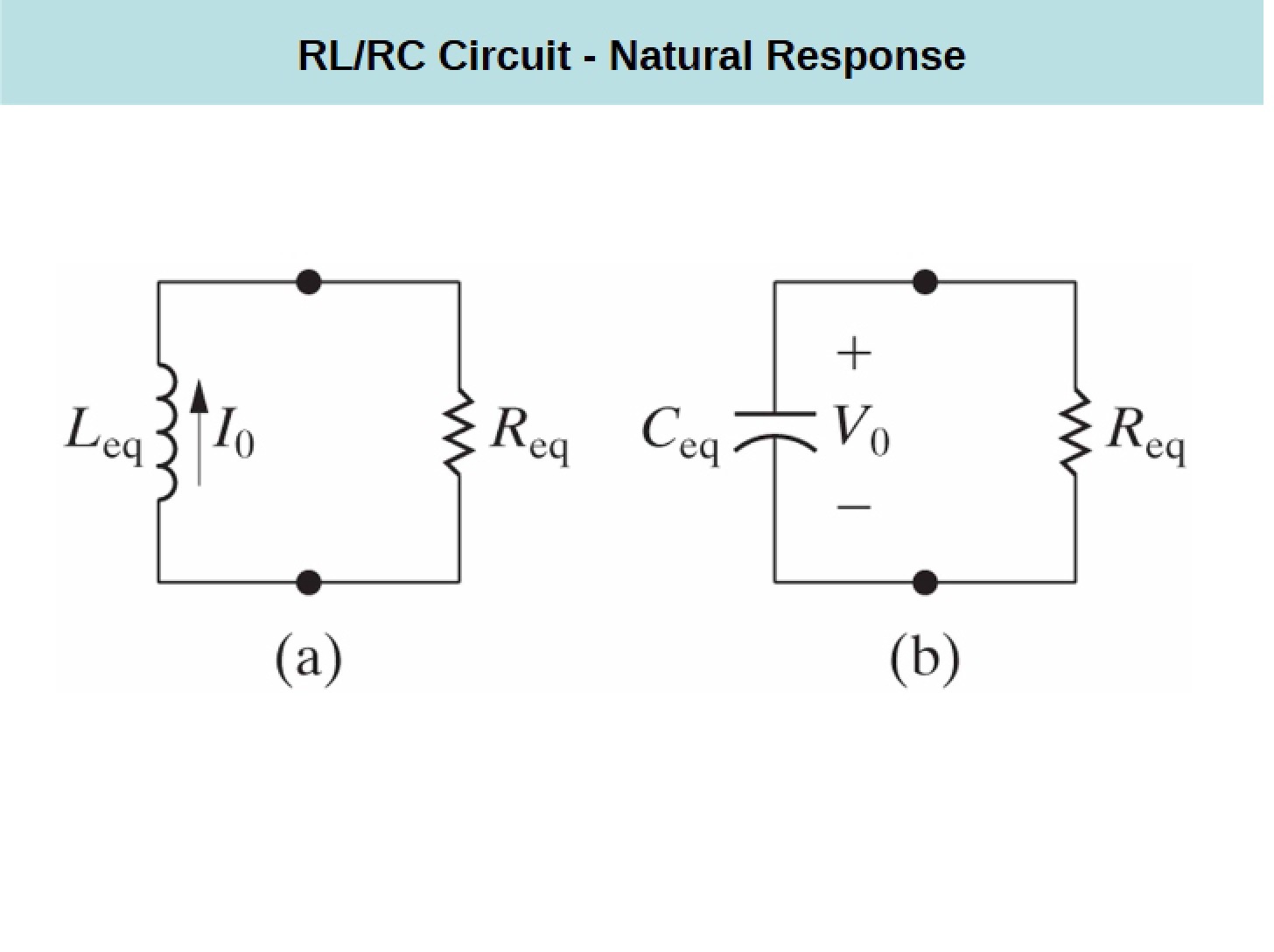
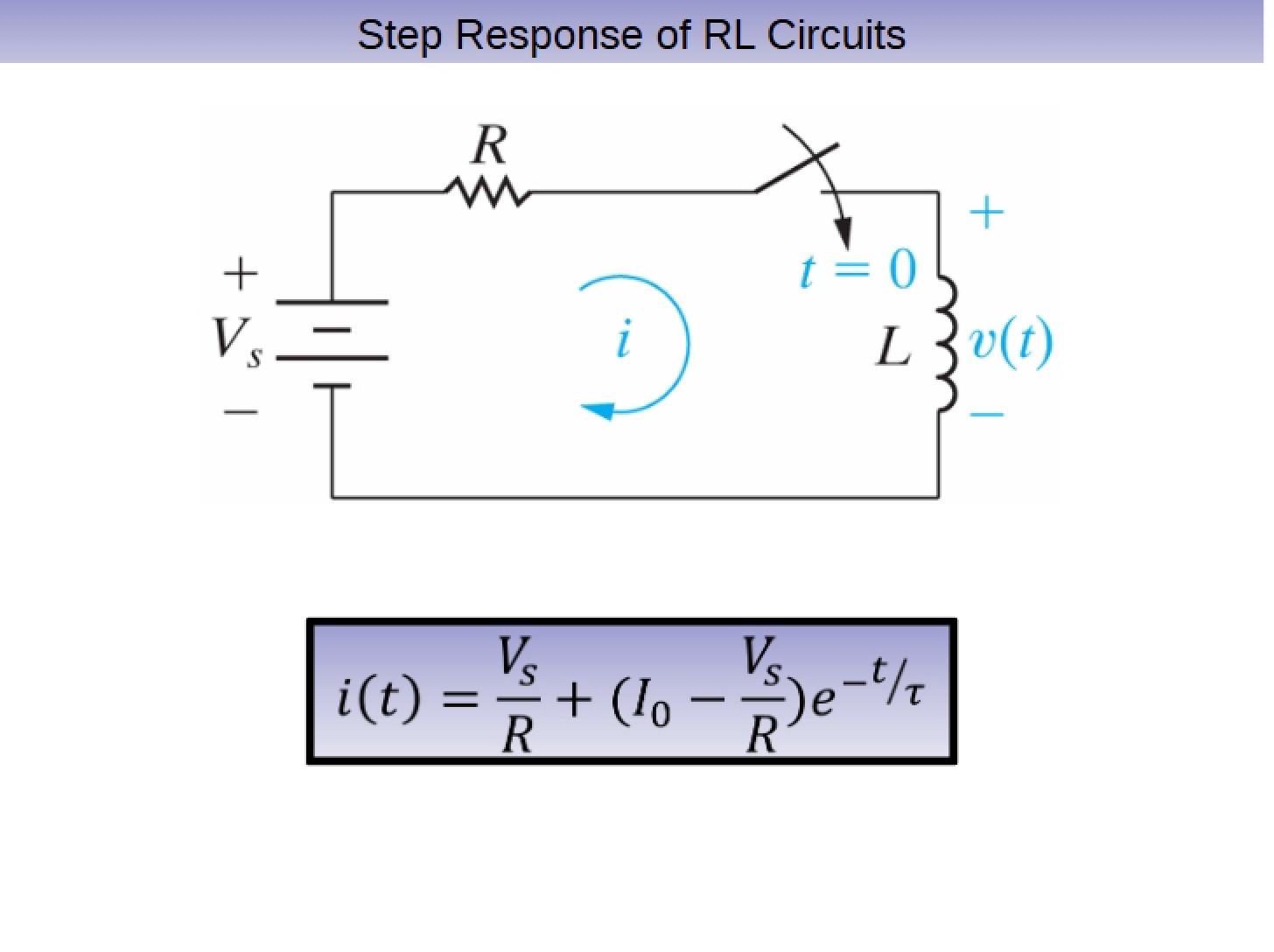
This resource is a focused exploration of the natural response behavior within Resistor-Inductor (RL) and Resistor-Capacitor (RC) circuits – fundamental building blocks in electrical engineering. It delves into the transient behavior observed when these circuits are subjected to sudden changes, like the application or removal of a power source. The material builds upon core circuit analysis principles and aims to provide a deeper understanding of how energy is stored and released within these systems. Expect a detailed examination of the time-domain response, focusing on the relationships between circuit components and the resulting voltage and current waveforms.
Why This Document Matters
This material is essential for students enrolled in introductory electrical and electronic circuits courses (like Washington University in St. Louis’ ESE 230). It’s particularly valuable when you’re tackling problems involving switching events, or when you need to predict circuit behavior *before* reaching a steady state. Engineers and technicians working with analog circuits will also find this a useful refresher. If you’re struggling to visualize how inductors and capacitors influence circuit dynamics, or if you need a solid foundation for more advanced topics like Laplace transforms, this resource will be incredibly helpful.
Common Limitations or Challenges
This resource concentrates specifically on the *natural* response – meaning the behavior of the circuit *after* an initial excitation. It does *not* cover forced responses to continuous signals, detailed analysis of complex waveforms using Fourier analysis, or the intricacies of specific component modeling. It assumes a foundational understanding of basic circuit laws (Ohm’s Law, Kirchhoff’s Laws) and fundamental concepts like impedance. It also doesn’t provide step-by-step solutions to practice problems; rather, it focuses on the underlying principles.
What This Document Provides
* Detailed discussion of the characteristics of RL and RC circuits.
* Exploration of time constant concepts and their impact on circuit response.
* Illustrative examples demonstrating circuit behavior under various initial conditions.
* Conceptual understanding of energy storage and dissipation in inductors and capacitors.
* Discussion of techniques for analyzing circuit behavior during transient periods.
* Connections to related circuit analysis methods and advanced topics.