What This Document Is
This is a comprehensive study guide designed to deepen your understanding of core Biochemistry principles, specifically focusing on the foundational aspects of molecular structure, enzymatic reactions, and metabolic pathways. Created for CHEM 153A at UCLA, this nine-page resource is intended to support your learning in this challenging introductory course. It explores the intricate connections between biochemical concepts and provides a framework for tackling complex problems.
Why This Document Matters
This study guide is an invaluable resource for students seeking to solidify their grasp of Biochemistry. It’s particularly helpful when you’re reviewing lecture material, preparing for quizzes and exams, or working through challenging homework assignments. It’s best used *in conjunction* with your course notes and textbook to enhance comprehension and build confidence. Students who proactively engage with this material will find themselves better equipped to apply biochemical principles to new scenarios.
Topics Covered
* Proline Biosynthesis and its connection to Glycolysis
* The Glyoxylate Cycle and its differences from the Citric Acid Cycle
* Electron Transport Chain – Complex I mechanisms and thermodynamics
* Metabolic Adaptations in Yeast: Glyceraldehyde utilization and fermentation
* Isotope Tracing in Metabolic Pathways
* ATP Yield Calculations in Aerobic and Anaerobic Conditions
* Detailed exploration of enzyme mechanisms and reaction favorability
* Analysis of biochemical pathways and carbon flow
What This Document Provides
* Detailed explorations of key biochemical reactions, focusing on structural components and mechanistic considerations.
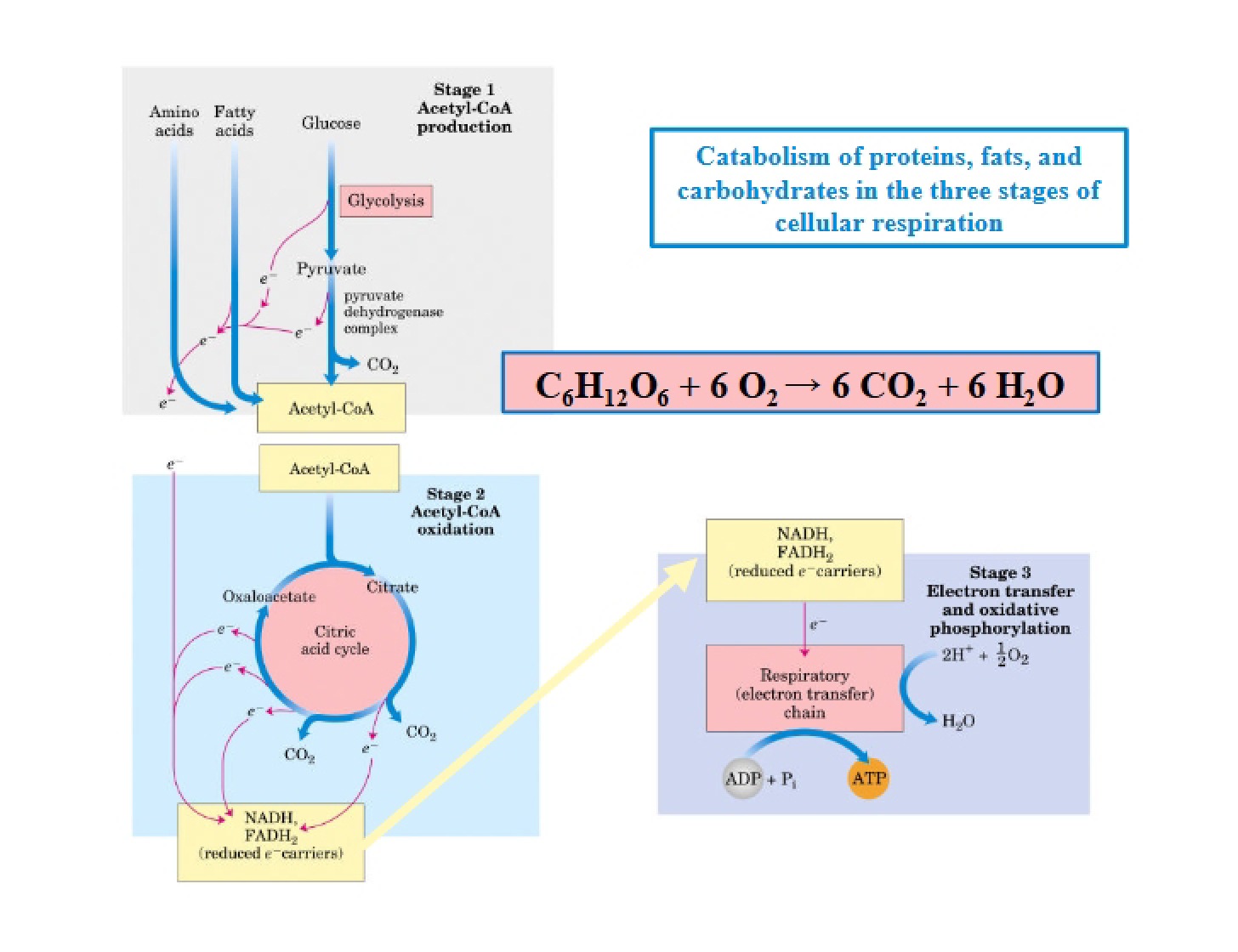
* Illustrative representations of complex biochemical processes, designed to aid in visualization and understanding.
* Opportunities to apply thermodynamic principles to predict reaction outcomes.
* Frameworks for analyzing metabolic pathways and predicting the fate of carbon atoms.
* A focused review of essential concepts related to enzyme function and metabolic regulation.
* Guidance on approaching complex problem-solving in a step-by-step manner.