What This Document Is
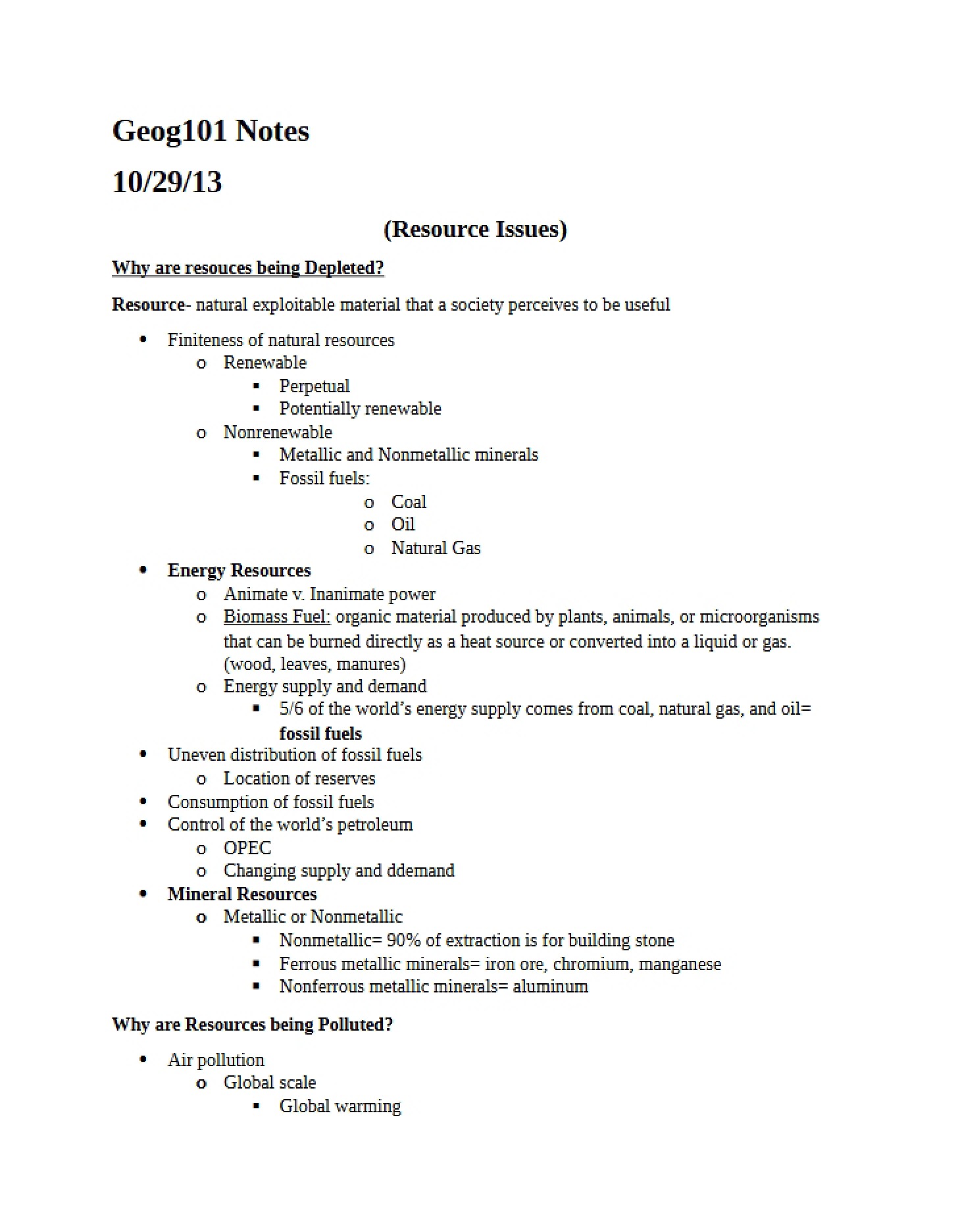
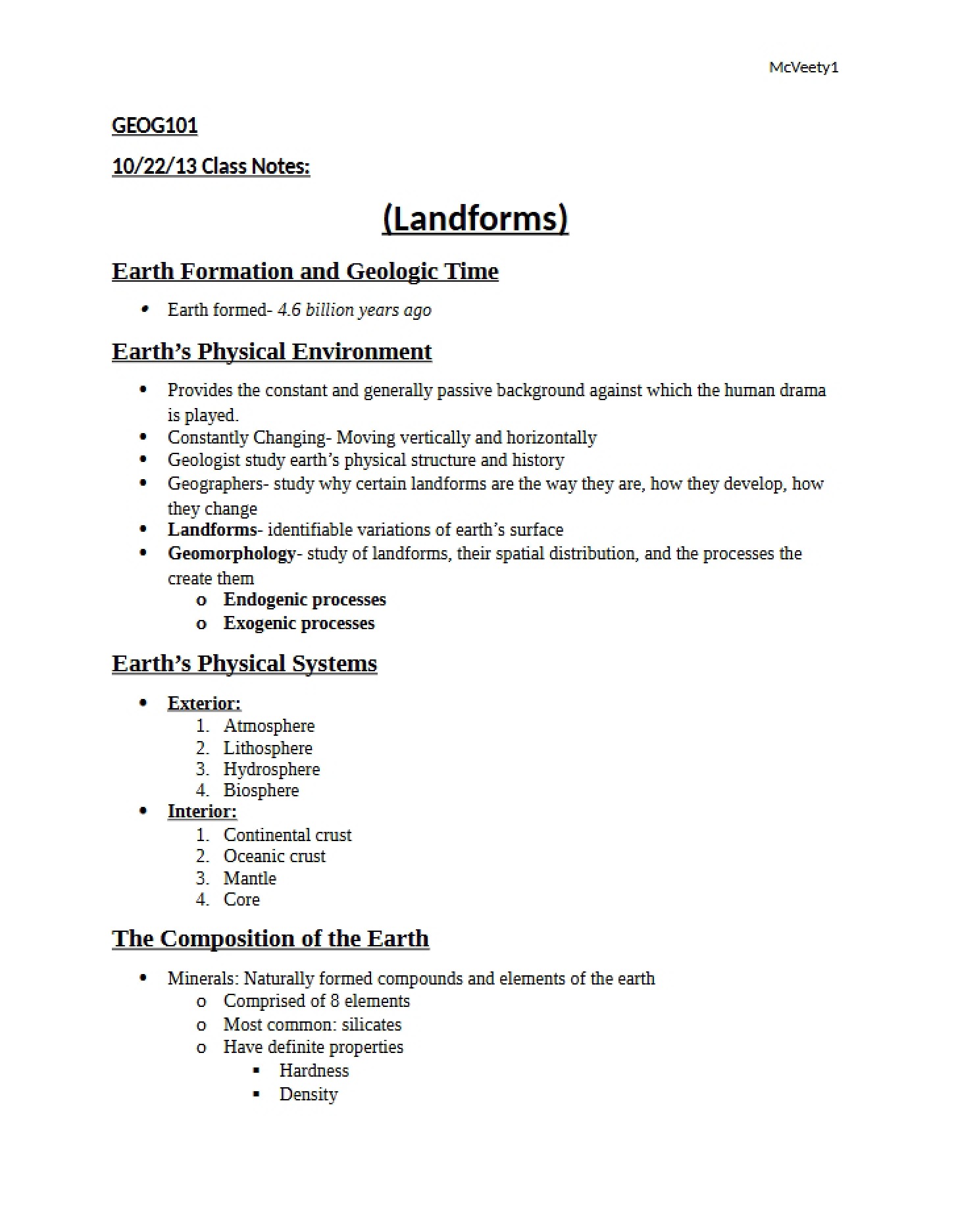
These are comprehensive study notes covering key concepts from Chapter 6 of GEOG 103: Intro to Geography at the University of South Carolina. The central theme revolves around Population Geography – the spatial dimension of human populations. It delves into the methods and measurements used to understand population dynamics, moving beyond simple counts to explore the factors influencing population change and distribution across the globe. This resource is designed to support your understanding of the core principles within this crucial area of geographic study.
Why This Document Matters
This study guide is invaluable for students enrolled in GEOG 103 seeking to solidify their grasp of population geography principles. It’s particularly helpful when preparing for quizzes, exams, or larger assignments focusing on population characteristics, growth patterns, and regional variations. Students who find themselves needing a structured overview of demographic concepts, or those looking to connect population studies to broader geographic themes, will benefit greatly from these notes. Use this resource to supplement lectures and textbook readings for a more complete understanding.
Common Limitations or Challenges
While these notes offer a detailed overview of the chapter’s core ideas, they are not a substitute for attending lectures or completing assigned readings. This resource focuses on summarizing and organizing key information; it does not include in-depth case studies or detailed analyses of specific regions. Furthermore, it doesn’t provide practice questions or solutions to help you test your knowledge. Access to the full document is required for a complete and nuanced understanding of the material.
What This Document Provides
* An exploration of the distinctions between Population Geography and Demography.
* An overview of global population growth trends, both historical and projected.
* Definitions and explanations of key population measures, including rates and cohort analysis.
* Discussions of factors influencing birth and death rates.
* An introduction to the concept of Total Fertility Rates and their implications.
* Visual representations illustrating population distribution and fertility patterns.
* An overview of the significance of population pyramids in understanding population structure.