What This Document Is
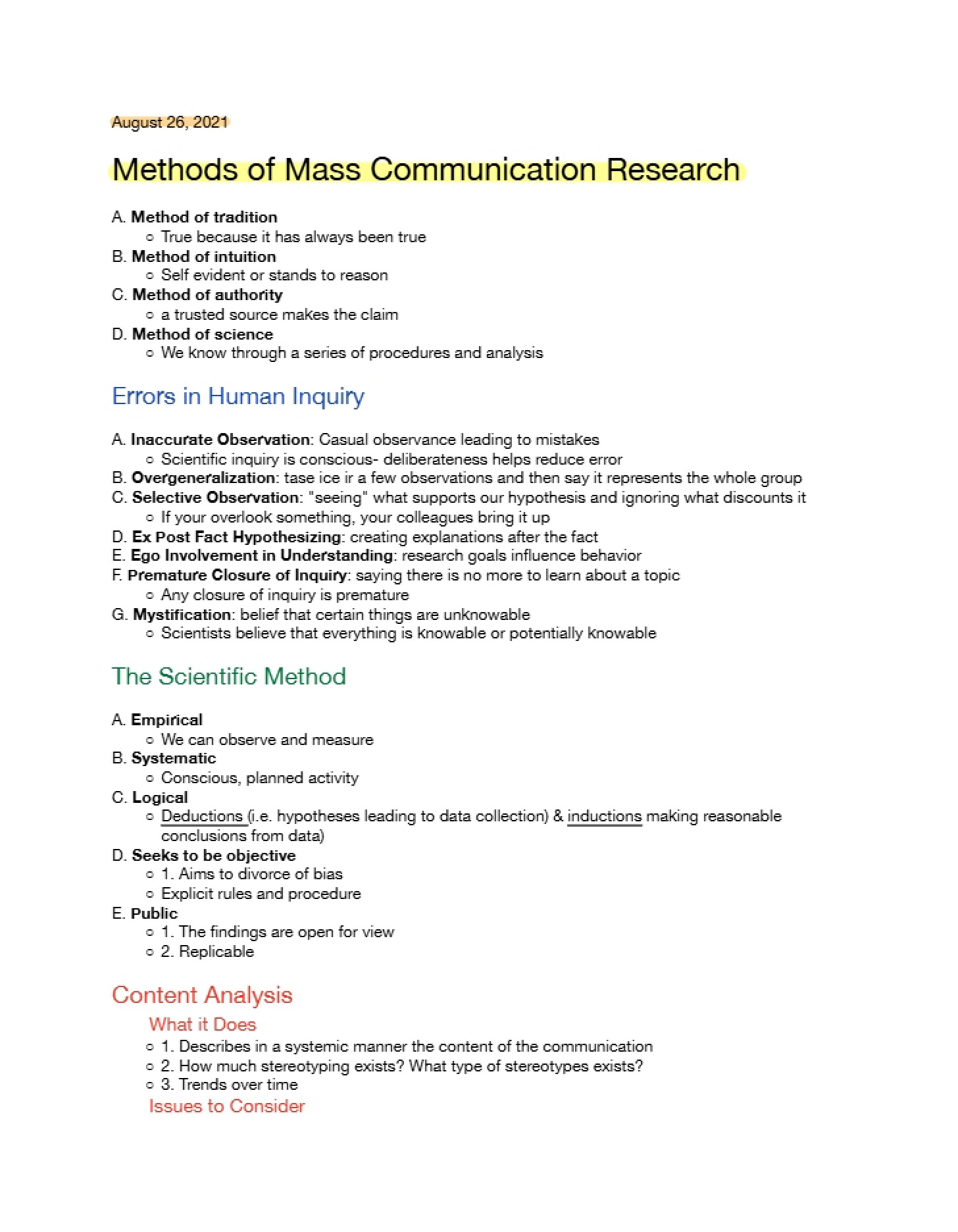
This study guide offers a comprehensive overview of foundational concepts within the field of mass communication, specifically as introduced in Chapter One of CMN 277 at the University of Illinois at Urbana-Champaign. It’s designed to help students grasp the core principles that define how messages are disseminated to large audiences and the evolving landscape of media technologies. This resource breaks down key ideas relating to the characteristics of mass communication and the different forms it takes in today’s world.
Why This Document Matters
This guide is invaluable for students beginning their study of mediated communication. It’s particularly helpful for those seeking to solidify their understanding of the fundamental distinctions between various media types and the historical context shaping their development. Use this resource to prepare for class discussions, reinforce lecture material, or build a strong base for more advanced topics covered later in the course. It’s a great starting point for anyone wanting to understand the forces driving the media we consume daily.
Topics Covered
* Defining characteristics of mass communication
* The role of audience size and reach in media
* Distinctions between traditional and new media platforms
* An overview of newspapers, magazines, radio, and television
* Introduction to Computer-Mediated Communication (CMC)
* Key concepts within CMC, such as interactivity and hypertextuality
* The economic foundations of mass media
What This Document Provides
* A structured breakdown of core mass communication principles.
* An exploration of the unique attributes of different media formats.
* An introduction to the technological underpinnings of digital communication.
* A foundational understanding of how media systems operate.
* A resource to help contextualize the evolution of communication technologies.