What This Document Is
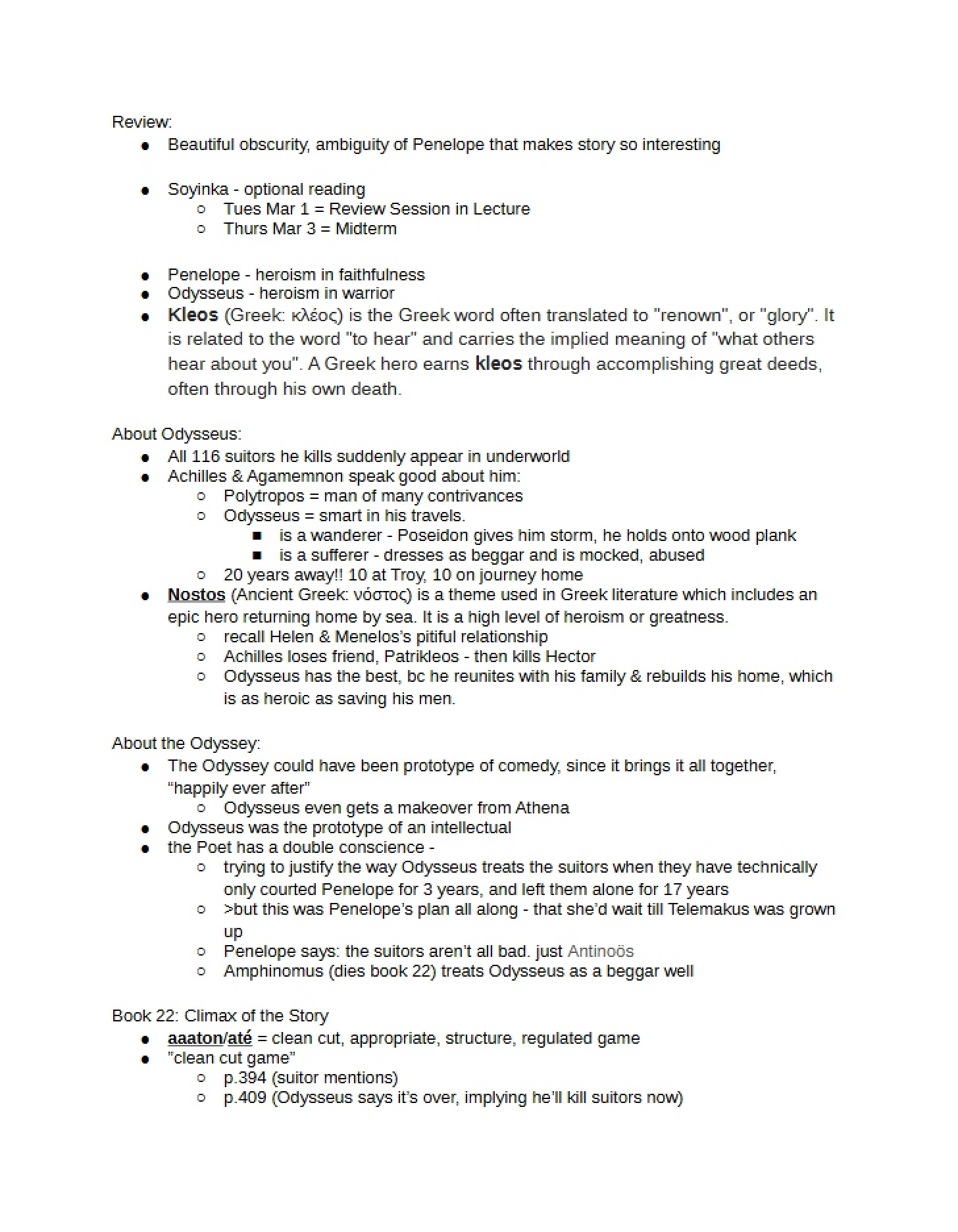
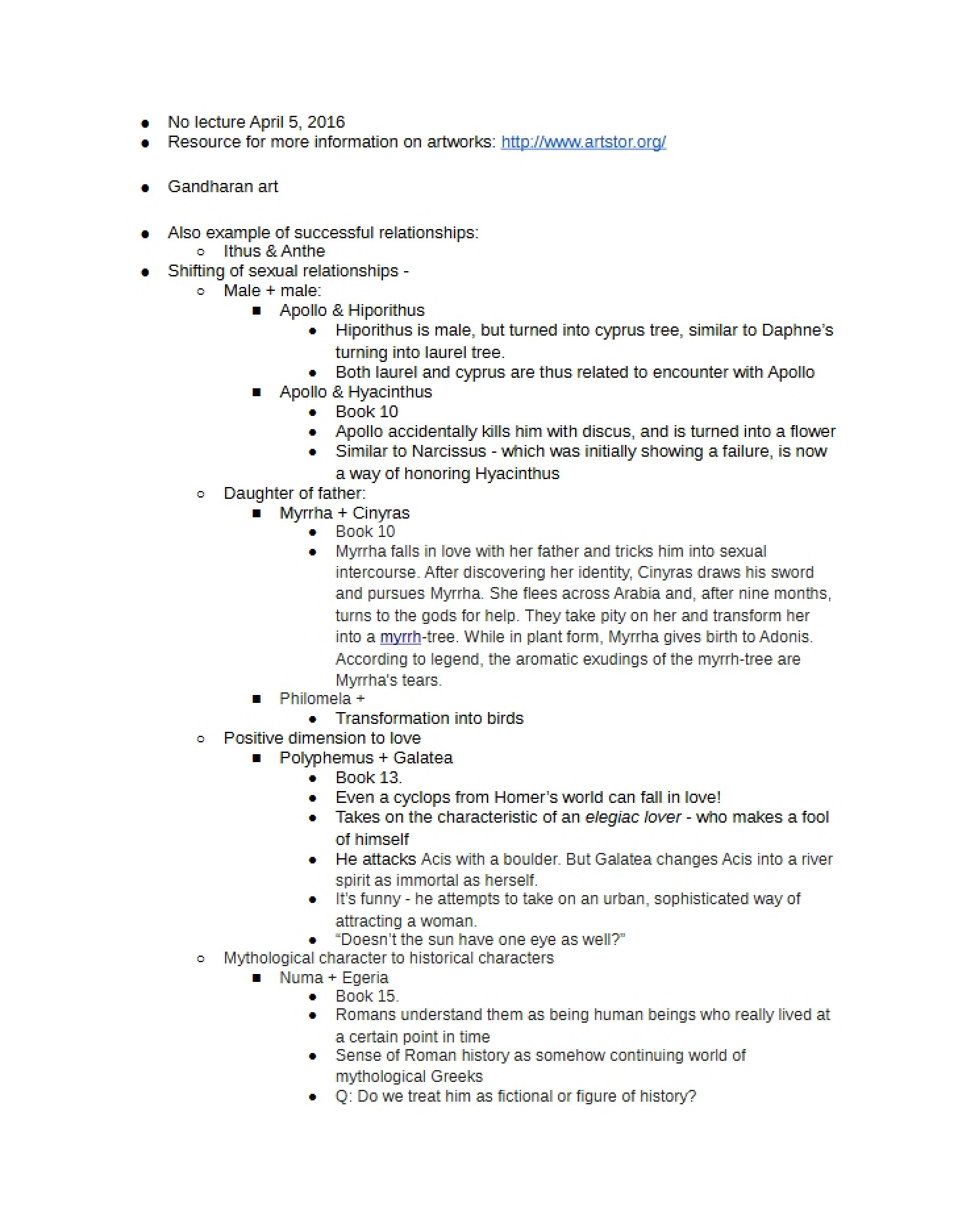
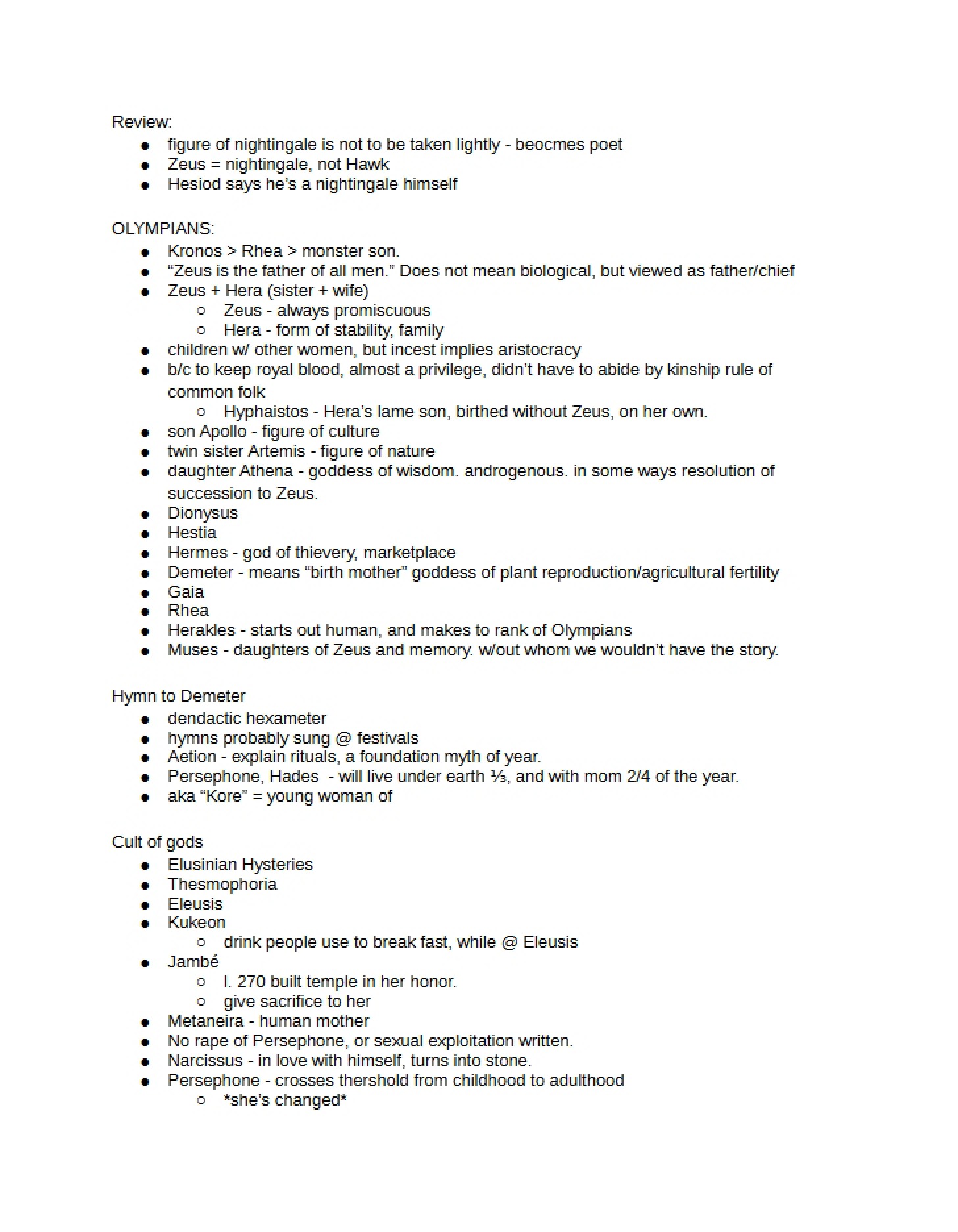
These are lecture notes from a CLAS 280 course at the University of Southern California, focusing on the intersection of Classical Mythology and its representation in Renaissance Art and Literature. Specifically, these notes cover a lecture delivered on March 10, 2016, and delve into how artists of the Renaissance period re-imagined and visually interpreted stories originally penned by Ovid and other classical authors. The notes center around specific artworks and explore the evolving iconography associated with mythological narratives.
Why This Document Matters
This resource is invaluable for students enrolled in Classical Mythology courses, particularly those examining the influence of classical themes on artistic movements. It’s especially helpful when studying Renaissance art and literature, offering a focused exploration of how mythological figures and tales were adapted and re-contextualized during this period. These notes can be used to supplement readings, prepare for class discussions, and build a deeper understanding of the visual language employed by Renaissance artists. Students preparing for essays or presentations on this topic will find the overview of artistic approaches particularly useful.
Common Limitations or Challenges
These notes represent a single lecture’s content and therefore offer a specific, rather than exhaustive, overview of the topic. They are designed to *accompany* course readings and discussions, not replace them. The notes are based on a specific professor’s interpretation and analysis, and may not encompass all possible perspectives on the artworks discussed. Furthermore, the notes reference accompanying slides which are not included here.
What This Document Provides
* An overview of how Renaissance painters – including Correggio, Michelangelo, Botticelli, and Titian – engaged with classical mythology.
* Discussion of specific artworks and their connection to Ovidian narratives.
* Exploration of recurring motifs and symbolic representations within Renaissance depictions of mythological scenes.
* Insights into the artistic choices made when translating literary myths into visual form.
* Consideration of the broader cultural context surrounding the reception and reinterpretation of classical stories.