What This Document Is
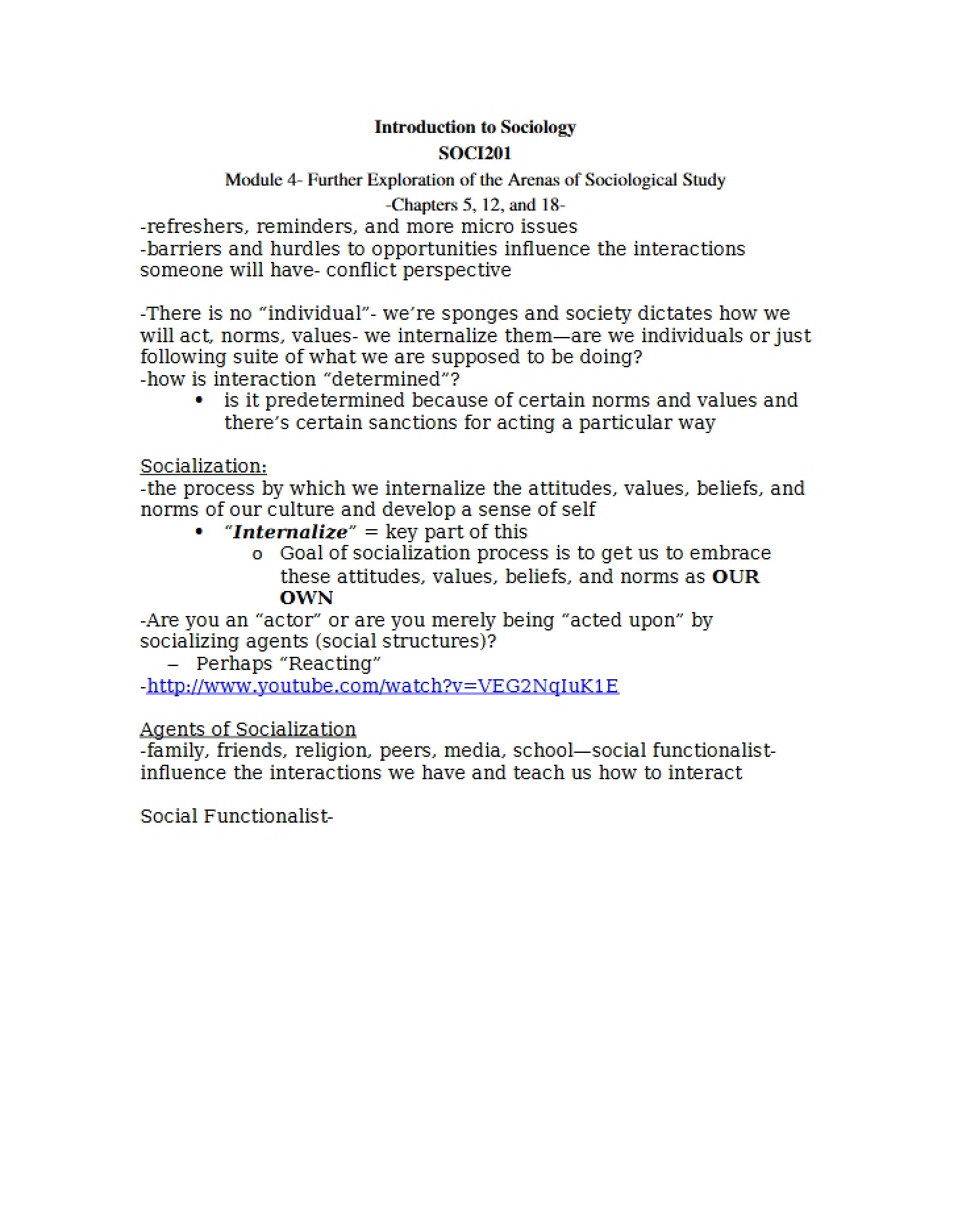
This study guide provides detailed notes covering a range of topics within the realm of human sexuality, as explored within the Introduction to Sociology (SOCI 201) course at the University of Delaware. It delves into the social construction of intimate behaviors and societal norms surrounding them, offering a comprehensive overview of key perspectives and historical shifts. This resource aims to support a deeper understanding of how culture, law, and religion intersect with personal experiences and beliefs related to sex and relationships.
Why This Document Matters
This guide is invaluable for students seeking to solidify their grasp of complex sociological concepts related to sexuality. It’s particularly helpful when preparing for exams, completing assignments, or simply wanting a more thorough understanding of the course material. Students who benefit most from this resource are those looking to connect individual behaviors to broader societal patterns and historical contexts. It’s best utilized alongside course lectures and assigned readings to enhance comprehension and retention.
Topics Covered
* Sociological perspectives on sexual behavior
* Historical shifts in attitudes towards sex and intimacy
* The influence of religion on sexual norms
* Legal frameworks surrounding sexuality and relationships
* Cultural variations in sexual practices
* The concept of sexual scripts and dating norms
* Controversies and evolving definitions related to sexual offenses
* The social construction of gender and its relation to sexuality
* Historical and cross-cultural perspectives on marriage and family
What This Document Provides
* Exploration of influential research and key figures in the study of human sexuality.
* Examination of the interplay between social norms and individual behavior.
* Discussion of the historical evolution of sexual attitudes and laws.
* Insights into the complexities of defining and regulating sexual activity.
* A framework for analyzing the social and cultural factors that shape our understanding of sex and relationships.
* References to specific cases and examples used to illustrate key concepts.