What This Document Is
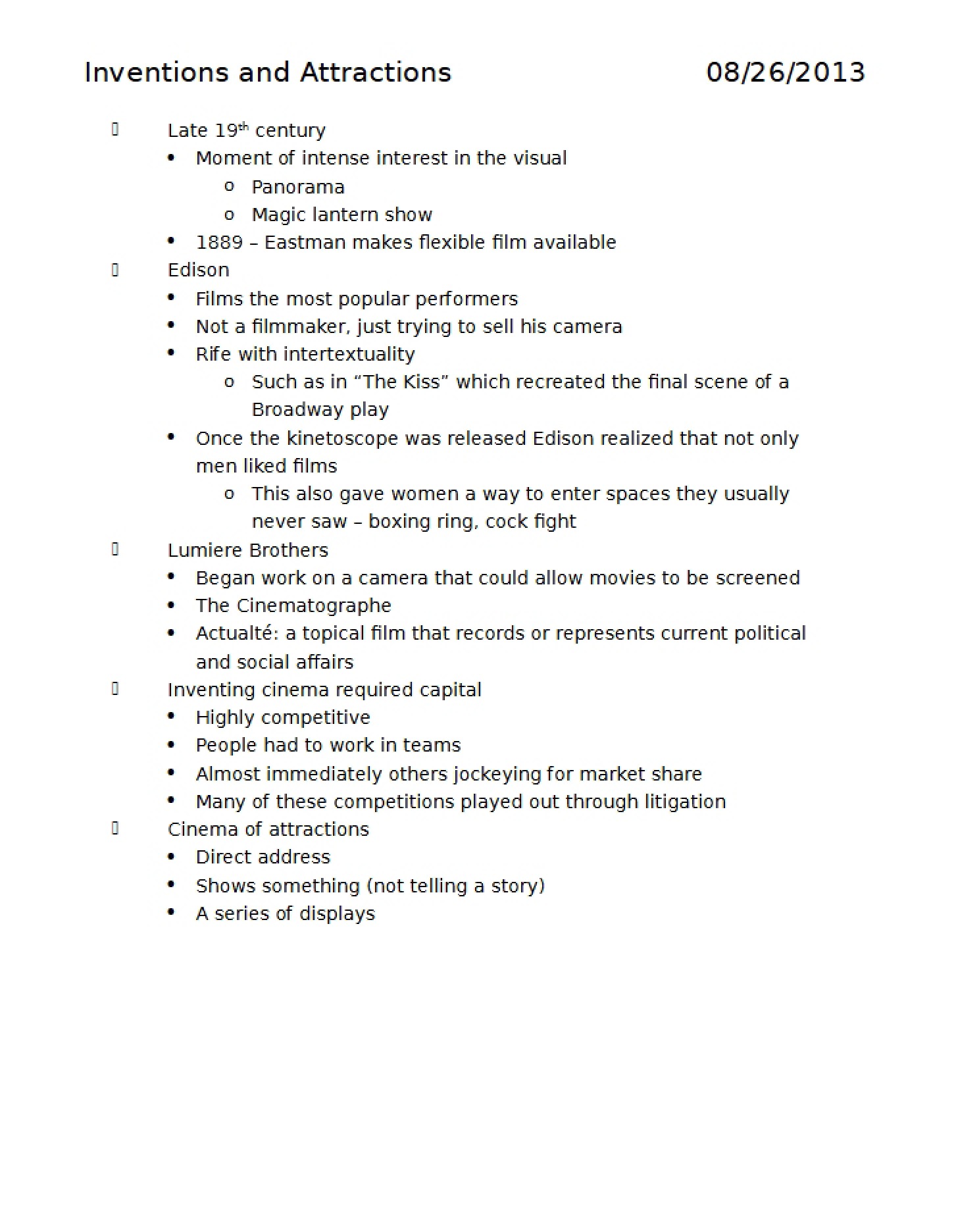
These notes originate from CTCS 191, an introductory course exploring the world of television and video. The material appears to be lecture notes, covering a range of topics within media studies, from the historical development of television formats and techniques to the cultural impact of prominent shows and events. The notes also delve into the roles of influential figures – both in front of and behind the camera – and the socio-economic contexts that shape television production and reception. A specific case study involving a television show’s unusual distribution deal is also included.
Why This Document Matters
Students enrolled in introductory media studies, television production, or communications courses will find these notes particularly valuable. They are ideal for supplementing lectures, aiding in exam preparation, or providing a broader understanding of the evolution of television as a medium. Individuals interested in the cultural significance of television and its impact on society will also benefit from the insights contained within. These notes can be used during the course, or as a refresher when studying for assessments.
Common Limitations or Challenges
These notes represent a specific instructor’s perspective on the subject matter and should not be considered a comprehensive textbook. They do not offer in-depth technical instruction on video production or editing. Furthermore, the notes are time-sensitive, referencing events and industry dynamics as they existed in 2013, and may not fully reflect current trends. Accessing the full notes is required for a complete understanding of the concepts discussed.
What This Document Provides
* Exploration of key differences between television and film techniques.
* Discussion of the impact of television on audience relationships with characters.
* Overview of influential women in television history and their contributions.
* Analysis of the role of award shows and live televised events in shaping culture.
* Examination of the economic and logistical challenges facing television production.
* Case study of a specific television show and its unique distribution pathway.
* Insights into the sociological factors influencing television content and viewership.