What This Document Is
These are comprehensive notes compiled to aid in preparation for Exam One in THEA 200, Understanding and Appreciation of Theatre, at the University of South Carolina. The material covers foundational concepts in theatre studies, spanning performance theory, stagecraft, dramatic structure, and acting techniques. It appears to be a collation of lecture notes and potentially supplemental material, organized chronologically by date.
Why This Document Matters
This resource is invaluable for students enrolled in THEA 200 looking to solidify their understanding of core theatrical principles before a major assessment. It’s particularly helpful for those who benefit from having a consolidated, written record of course material. Reviewing these notes can help identify areas needing further study and improve overall exam performance. It’s best used in conjunction with class attendance, readings, and active participation, serving as a focused review tool in the days leading up to the exam.
Common Limitations or Challenges
These notes are designed as a study *aid* and do not replace the need for thorough engagement with assigned course materials or attendance in lectures. The notes represent a specific interpretation of the course content and may not encompass every nuance discussed in class. Furthermore, this resource does not offer practice questions or detailed explanations of complex theories – it’s a record of concepts *presented*, not a complete learning module in itself.
What This Document Provides
* Key terminology related to the nature of performance and its potential.
* An overview of different stage types and their impact on performance and audience experience.
* Discussion of the relationship between performers and audiences, including considerations of theatrical “etiquette.”
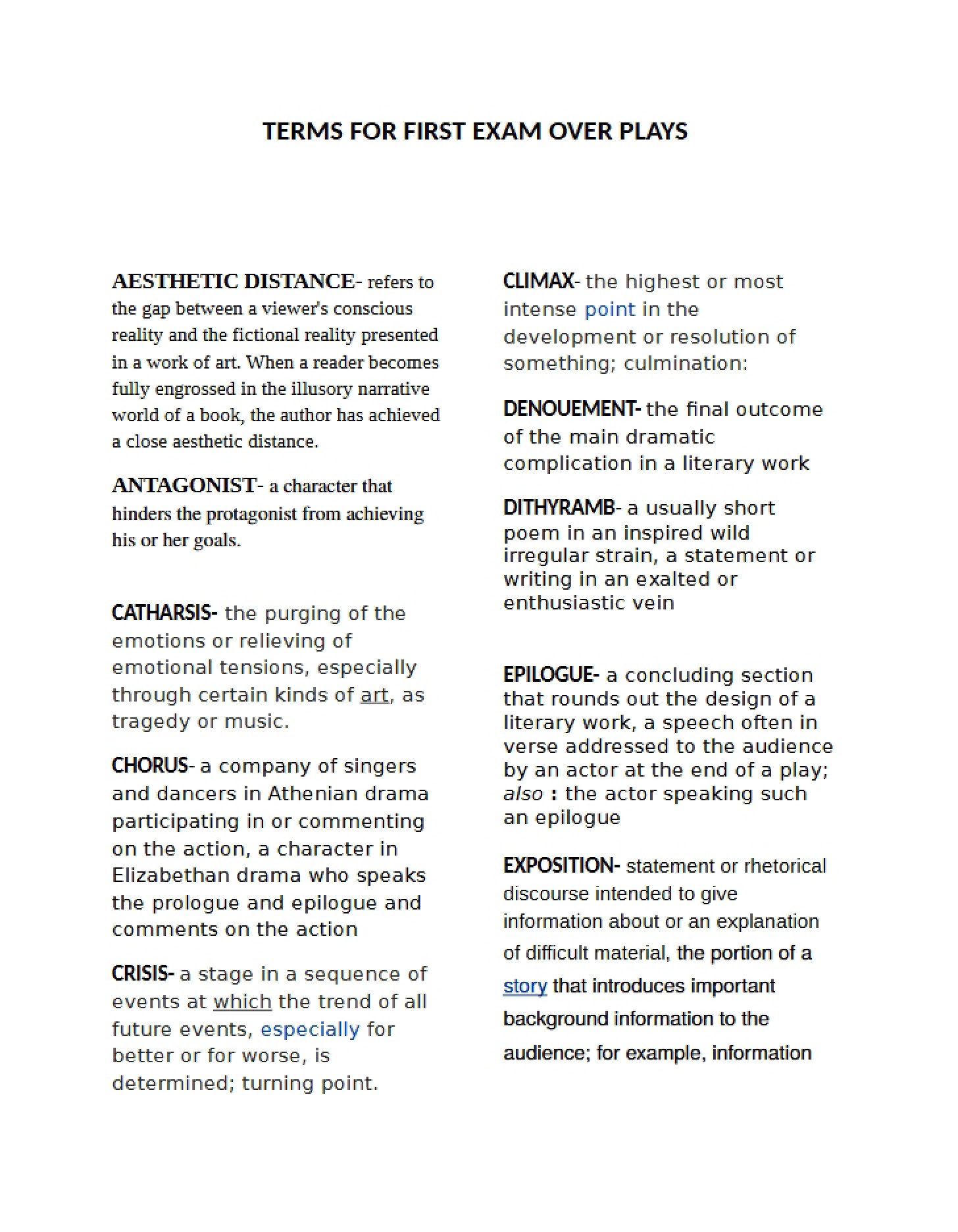
* Fundamental elements of dramatic structure, including plot points and character roles.
* An introduction to different dramatic genres, such as tragedy, comedy, and farce.
* Insights into acting methodologies and approaches, referencing prominent figures in the field.