What This Document Is
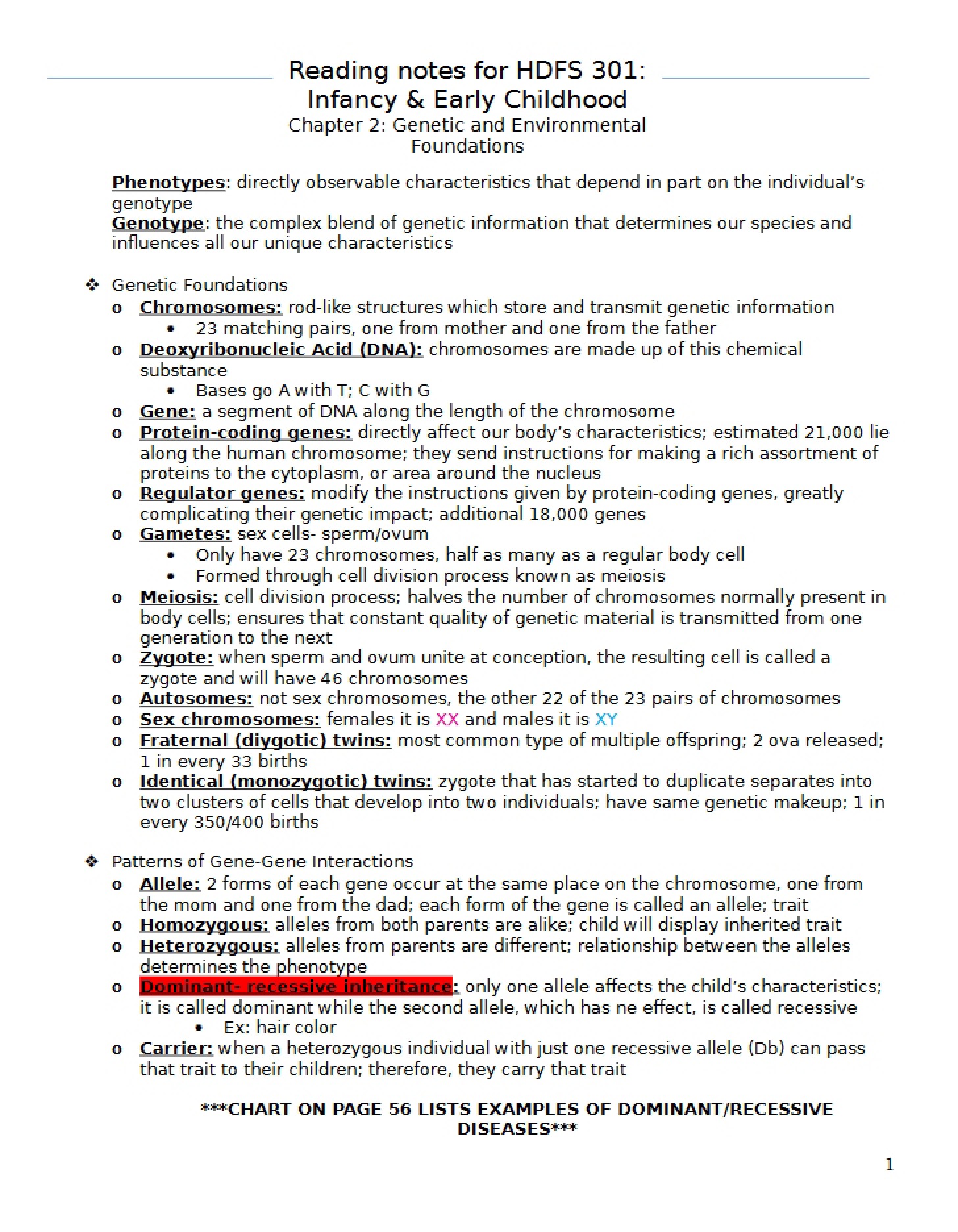
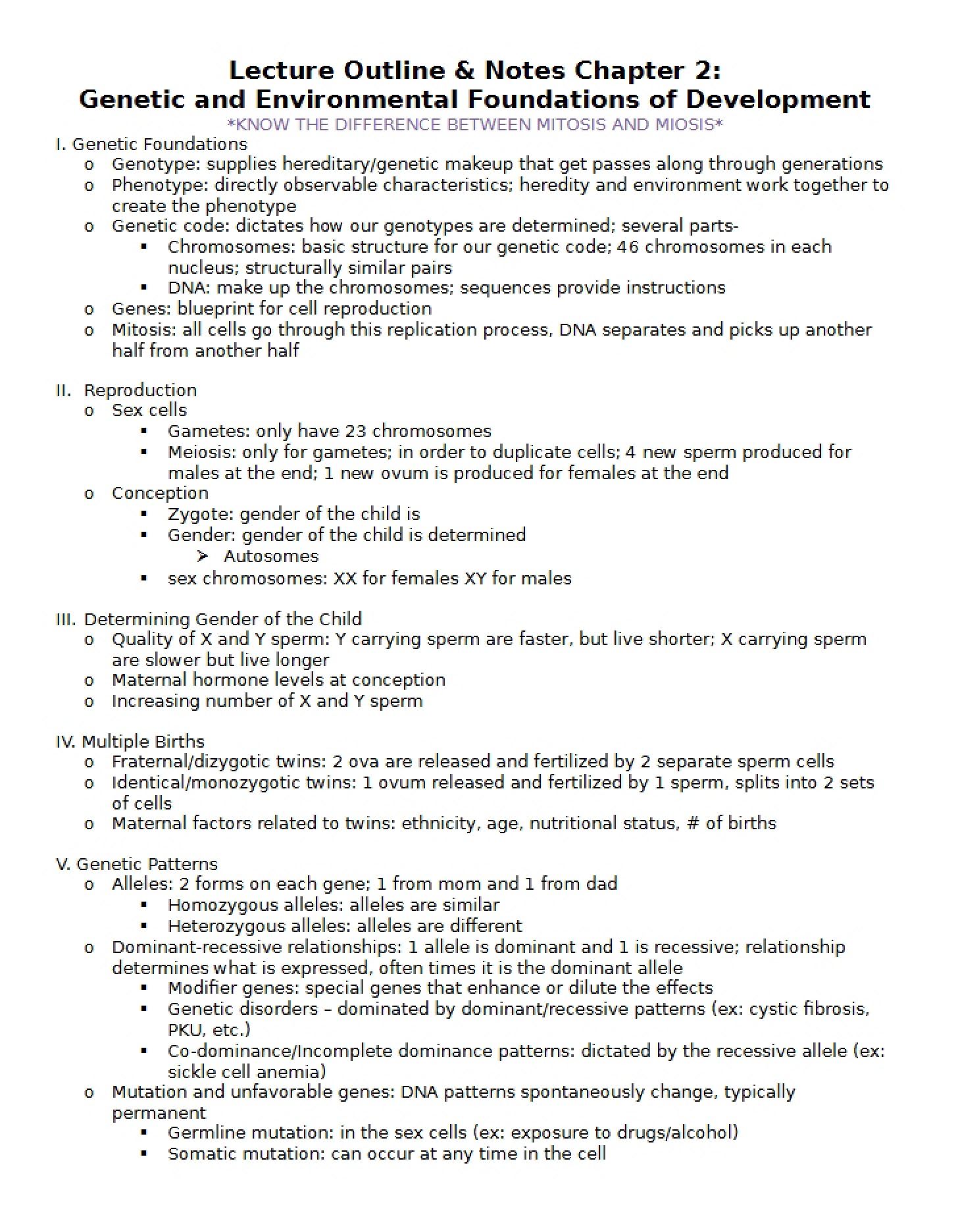
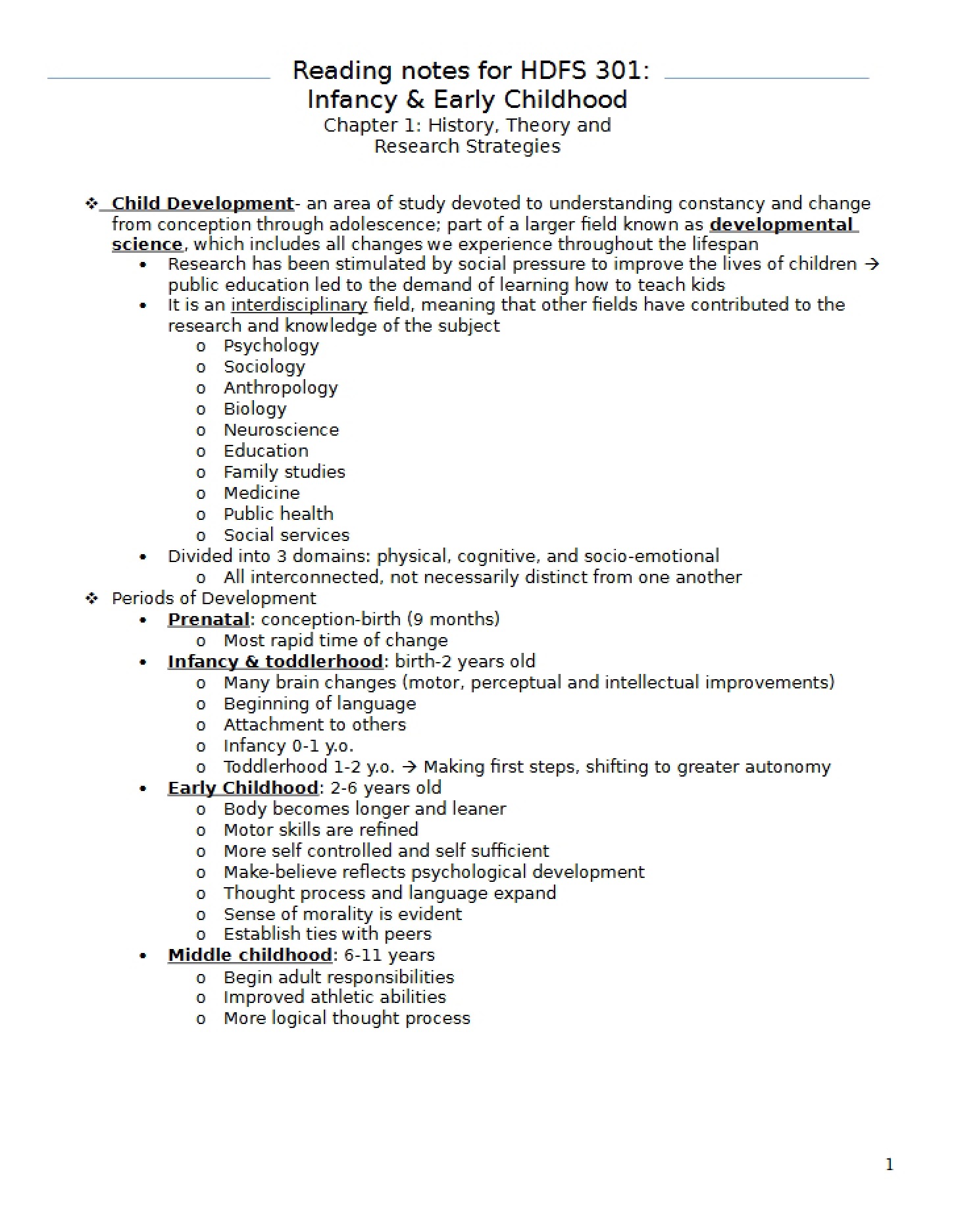
These are lecture notes from HDFS 301: Infancy & Early Childhood, specifically covering Chapter 6 on Cognitive Development in Infancy and Toddlerhood. This resource provides a detailed overview of the foundational theories and key concepts related to how young minds grow and learn. It’s designed to complement course lectures and provide a structured framework for understanding this critical stage of human development.
Why This Document Matters
This material is essential for students enrolled in Infancy & Early Childhood courses, particularly those preparing for exams or working on research projects. It’s most beneficial when used alongside textbook readings and class discussions to reinforce understanding of complex cognitive processes. Anyone interested in the science of early learning – future educators, psychologists, or parents – will find this a valuable resource for building a strong foundation in the field.
Topics Covered
* The relationship between intelligence and cognition
* Factors influencing cognitive development, including heredity, environment, and socioeconomic status
* Core principles of a prominent stage-based theory of cognitive development
* Processes of adaptation, including assimilation and accommodation
* The concept of cognitive equilibrium and organization
* A detailed breakdown of the stages within the sensorimotor period of development
What This Document Provides
* A clear explanation of key terminology related to cognitive development.
* An exploration of the various influences that shape a child’s cognitive abilities.
* A structured presentation of a foundational theoretical framework.
* A stage-by-stage analysis of early cognitive development, outlining characteristic behaviors and milestones.
* A comprehensive resource for understanding the building blocks of thought and learning in infants and toddlers.