What This Document Is
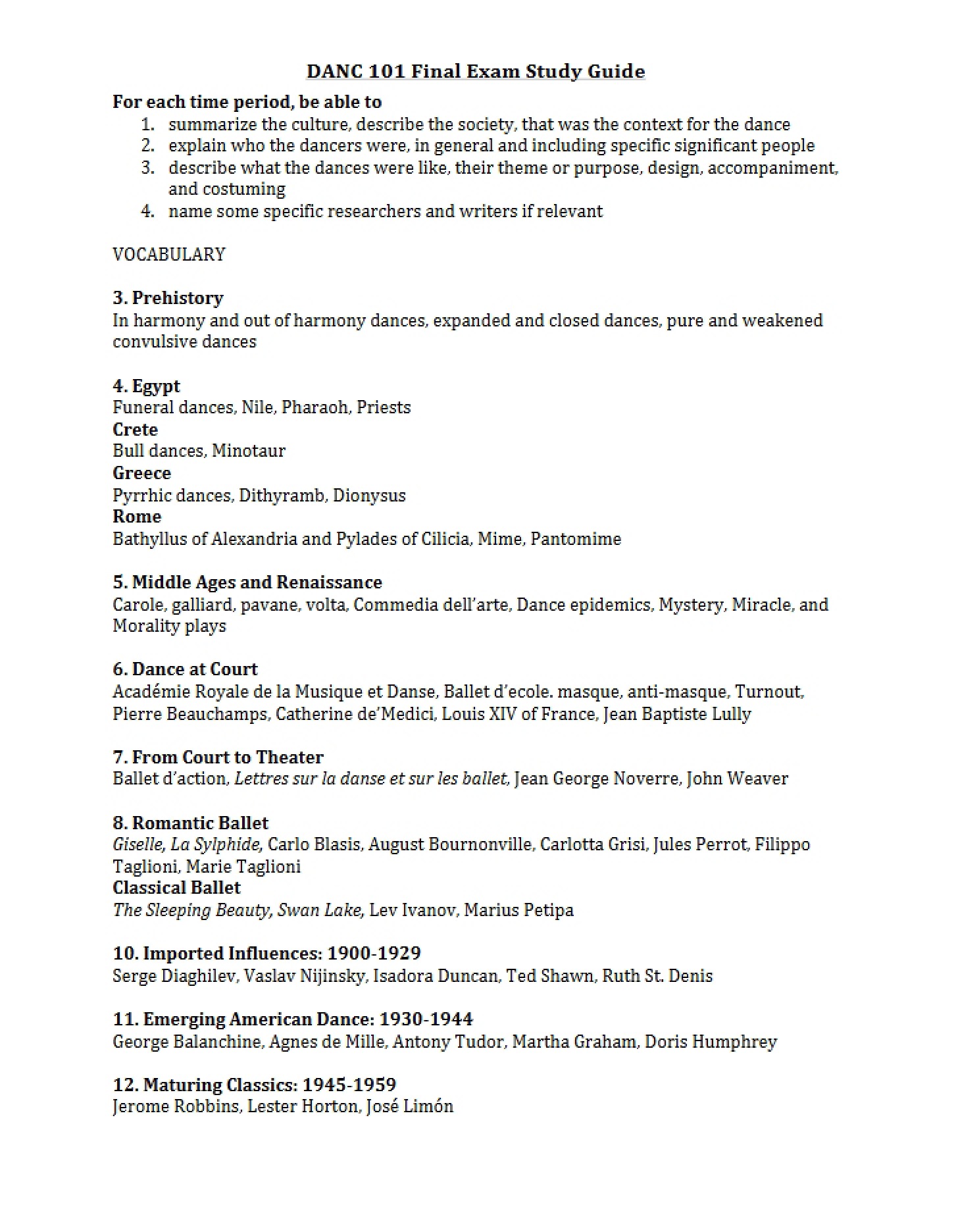
These notes provide a focused overview of key developments in dance history, specifically covering the Medieval and Renaissance periods. Designed for students in DANC 101 at the University of South Carolina, this resource synthesizes lecture material from Weeks Two and Three of the course. It explores the social, political, and artistic forces that shaped dance practices across these significant historical eras, bridging the gap between the fall of one empire and the blossoming of another. The notes also touch upon the evolution of theatrical dance forms and their connection to broader cultural trends.
Why This Document Matters
This study guide is invaluable for students seeking to solidify their understanding of early Western dance traditions. It’s particularly helpful for those preparing for quizzes, exams, or in-class discussions related to these periods. Whether you’re struggling to connect dance to its historical context, or aiming to deepen your appreciation for the origins of ballet, these notes offer a structured framework for learning. Students who utilize this resource will be better equipped to analyze the influences that have shaped dance as we know it today.
Common Limitations or Challenges
While comprehensive in its overview, this resource does not substitute for active participation in lectures or assigned readings. It’s designed to *complement* course materials, not replace them. The notes present a condensed version of complex historical events and artistic movements; detailed analysis and specific examples discussed in class are not fully replicated here. Furthermore, this guide focuses specifically on the content covered in Weeks Two and Three and does not encompass the entirety of the Dance Appreciation course.
What This Document Provides
* An overview of dance within the context of the Medieval Period, including societal influences.
* Exploration of the Renaissance’s impact on the arts, with a focus on the emergence of ballet.
* Insights into the roles of key historical figures who shaped dance during these eras.
* Discussion of the development of early dance forms and their connection to courtly life.
* Connections to suggested supplemental materials, including chapter readings and video resources.