What This Document Is
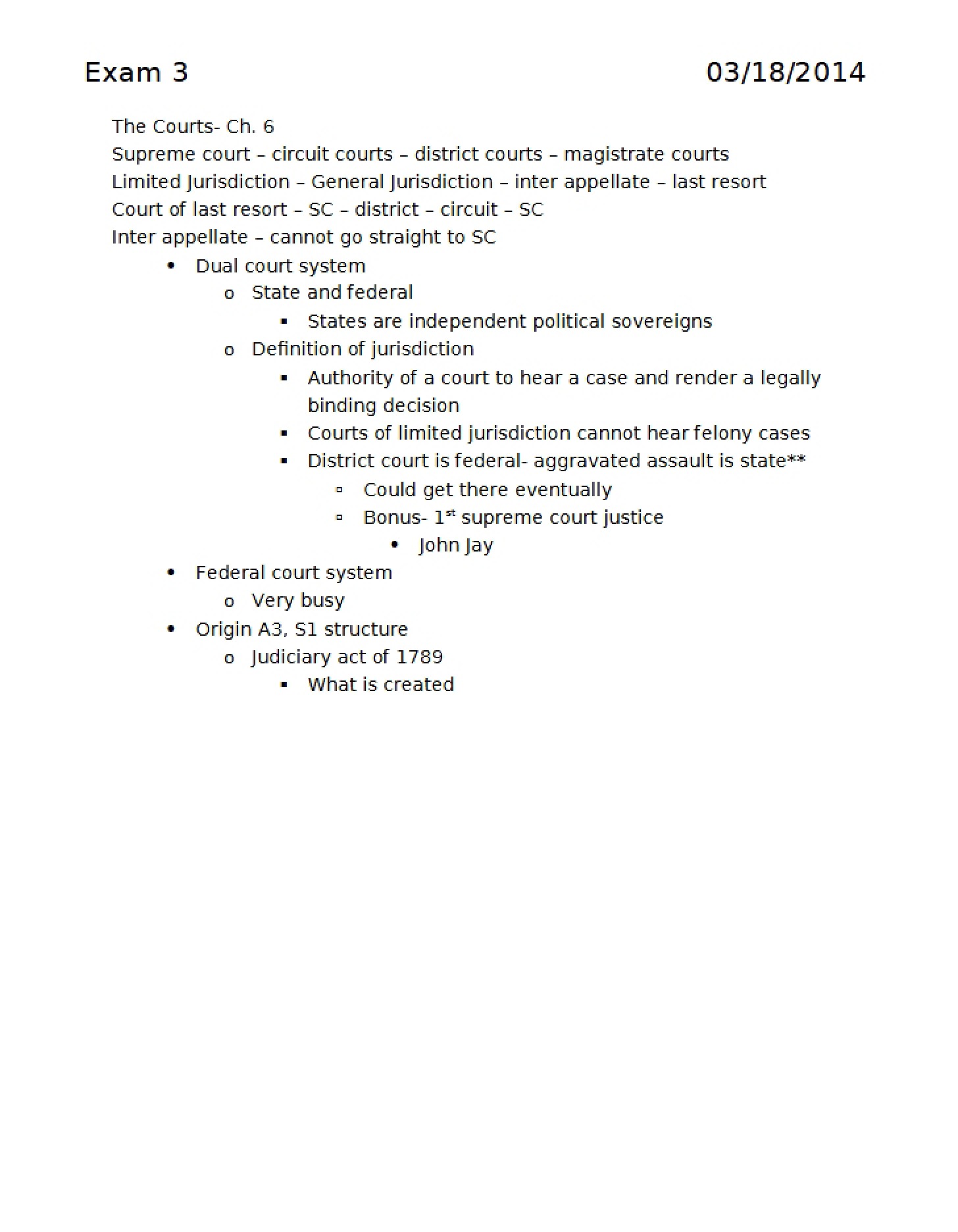
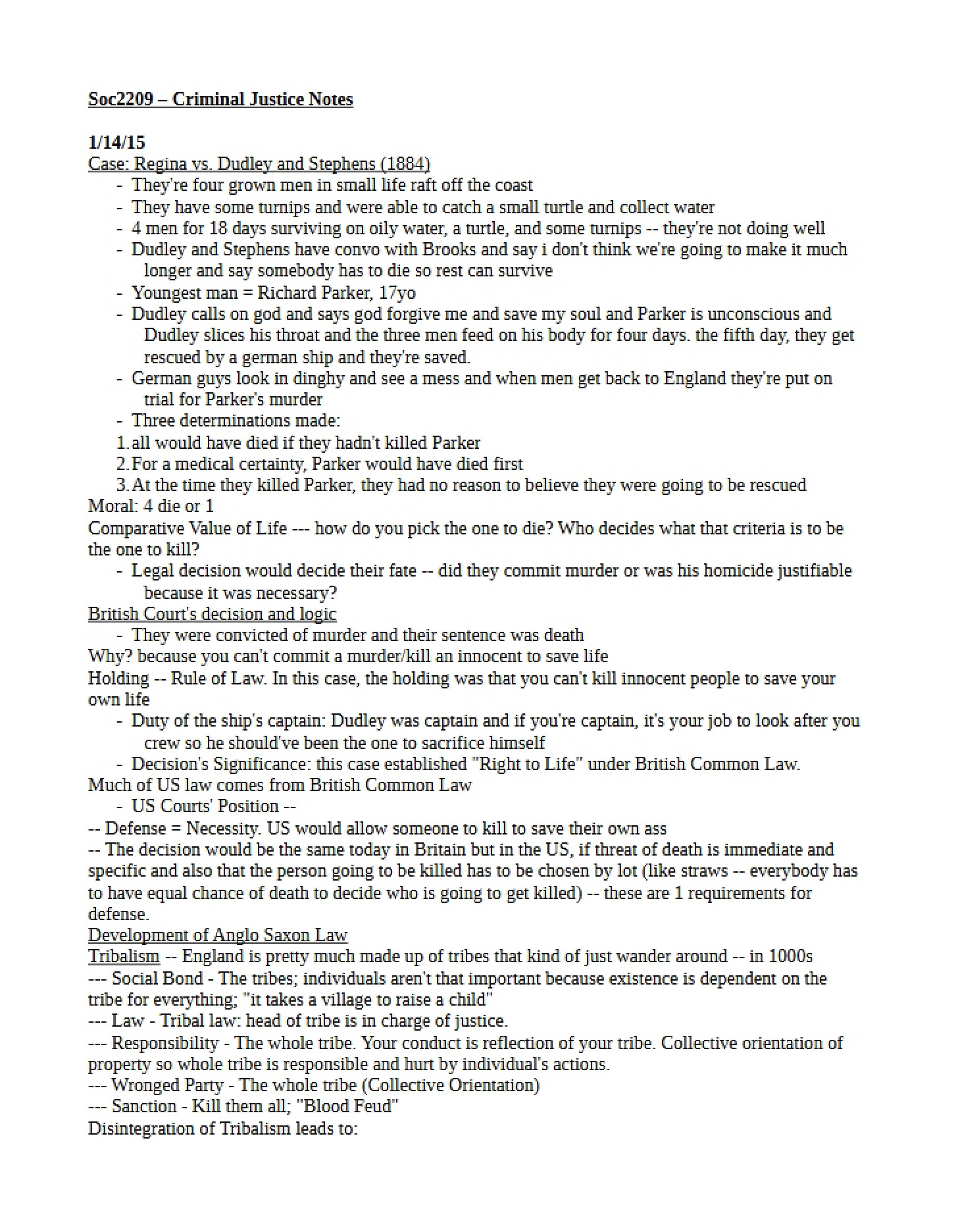
These are comprehensive class notes covering foundational concepts within the American legal system, specifically as they relate to the field of Criminal Justice. The material focuses on the structure and function of courts at both the state and federal levels, offering a detailed exploration of jurisdictional principles and the pathways cases take through the court system. It’s designed to supplement lectures and provide a solid base for understanding the complexities of legal proceedings.
Why This Document Matters
This resource is ideal for students enrolled in introductory Criminal Justice courses, or anyone seeking a clearer understanding of how the U.S. court system operates. It’s particularly helpful when preparing for discussions, quizzes, or exams that require knowledge of court hierarchies, legal terminology, and the decision-making processes within the judiciary. Accessing these notes can significantly enhance comprehension of course material and provide a valuable reference point throughout the semester.
Topics Covered
* The Dual Court System (State vs. Federal)
* Defining and Determining Jurisdiction
* Structure of the Federal Court System (District, Circuit, and Supreme Courts)
* The Role and Function of Magistrate Courts
* Appellate Court Review Processes
* Factors Influencing Appeals (Frivolous, Ritualistic, Nonconsensual)
* Judicial Decision-Making & Standards for Reversal
* Considerations for Federal Court Involvement in State Cases
What This Document Provides
* An overview of the historical development of the federal court system.
* Insights into the responsibilities and challenges faced by judges at various court levels.
* A breakdown of the criteria used by appellate courts when evaluating lower court decisions.
* Key terminology related to legal proceedings and court structure.
* A foundational understanding of the powers and limitations of the U.S. Supreme Court.