What This Document Is
These are lecture notes from a Cellular and Molecular Neurobiology course (MCELLBI 160) at the University of California, Berkeley, focusing on the intricacies of the visual system. This resource delves into the biological mechanisms underlying sight, exploring the anatomical structures involved and the complex processes that transform light into neural signals. It’s designed to complement in-class learning and provide a detailed foundation for understanding how we perceive the world visually.
Why This Document Matters
This material is invaluable for students enrolled in advanced neurobiology courses, particularly those with a focus on sensory systems. It’s also beneficial for anyone seeking a deeper understanding of the physiological basis of vision, including pre-med students, researchers, and those in related biological fields. Use these notes to reinforce concepts discussed in lectures, prepare for exams, or build a strong base for further study in visual neuroscience. Accessing the full notes will unlock a comprehensive understanding of this complex topic.
Topics Covered
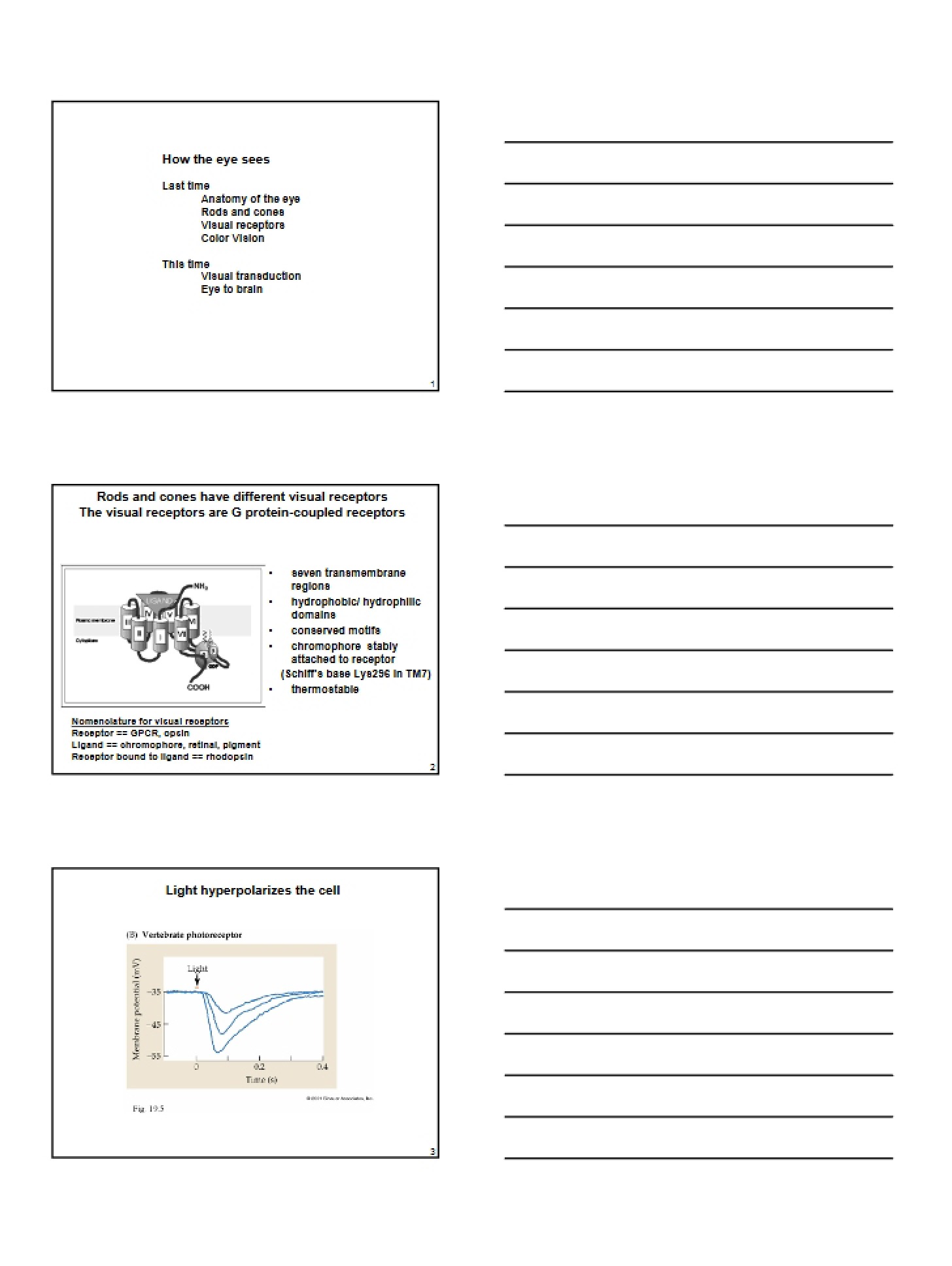
* The fundamental anatomy of the eye and its components.
* The organization and function of different cell types within the retina.
* The mechanisms of phototransduction – how light energy is converted into electrical signals.
* The roles of rods and cones in vision, including their sensitivity and acuity differences.
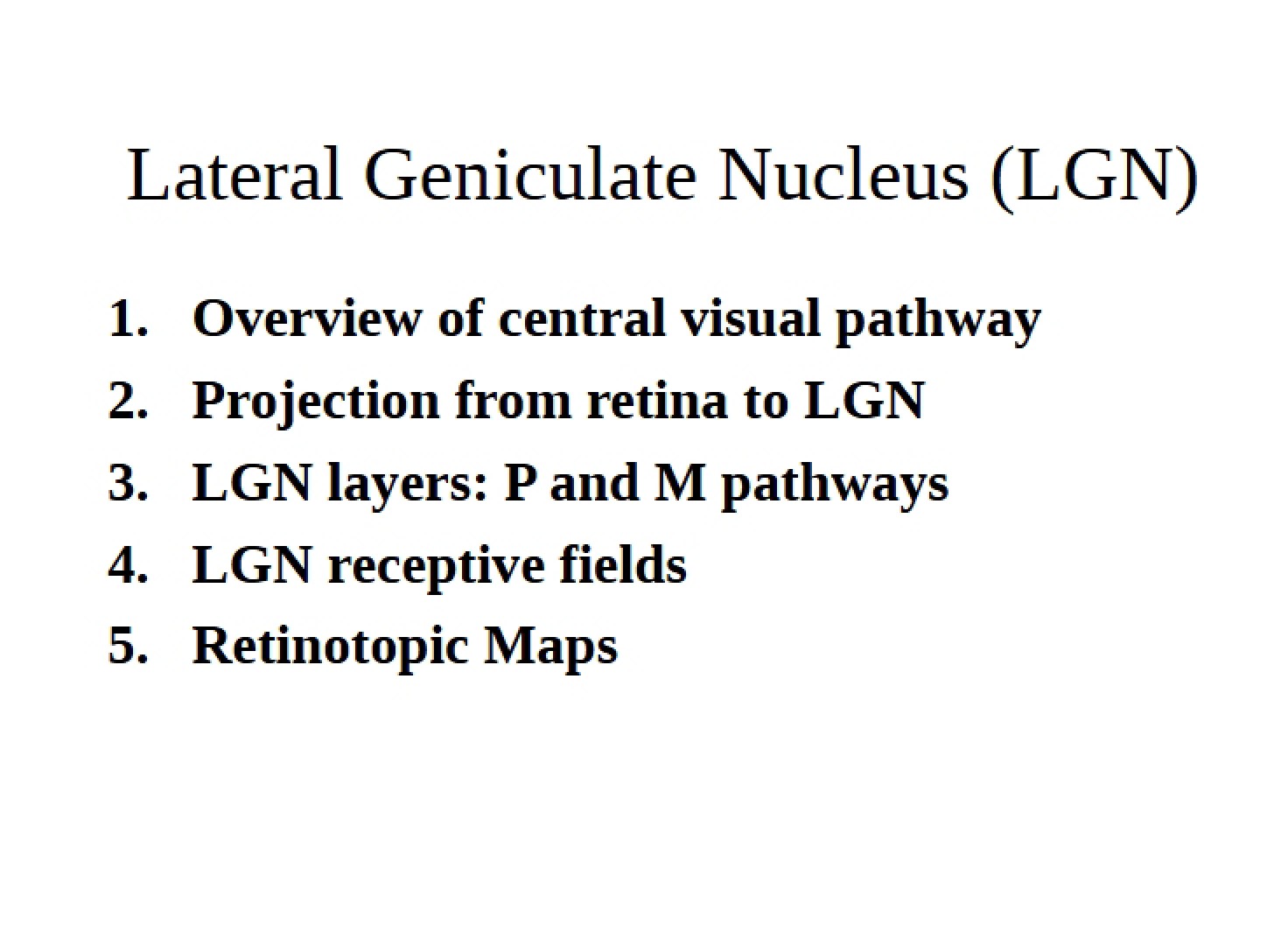
* Information processing pathways from the retina to the brain (LGN and cortex).
* The visible spectrum and how it relates to light detection.
* The biochemical processes involved in retinal signaling.
* The role of opsins in wavelength detection and color vision.
What This Document Provides
* Detailed diagrams illustrating the structure of the eye and retina.
* Explanations of the physiological processes occurring at the cellular level during vision.
* An overview of the key molecules involved in phototransduction.
* A comparative analysis of rod and cone photoreceptor systems.
* Visual representations of the electromagnetic spectrum and absorbance patterns of different opsins.
* A foundational understanding of how visual information is processed and transmitted within the nervous system.