What This Document Is
These are lecture notes from a Data Structures and Algorithms course (CS 245) at the University of San Francisco, focusing on the fundamental concept of Binary Search Trees. The notes systematically explore methods for implementing ordered lists and introduce the advantages and disadvantages of different approaches before diving into the specifics of tree-based structures. The material builds a foundation for understanding more complex algorithms and data organization techniques.
Why This Document Matters
This resource is invaluable for students currently enrolled in a Data Structures and Algorithms course, or those reviewing these core computer science principles. It’s particularly helpful when you’re grappling with the trade-offs between various data structures and need a clear explanation of how they perform in different scenarios. These notes can be used to supplement classroom learning, aid in homework assignments, or prepare for exams. Understanding these concepts is crucial for anyone aiming to build efficient and scalable software.
Common Limitations or Challenges
These notes represent a specific instructor’s presentation of the material and do not include interactive exercises or practice problems. They are a record of lecture content and assume a base level of familiarity with programming concepts and algorithmic thinking. While the notes cover the core ideas, they do not offer fully worked-out code implementations or detailed proofs of algorithmic complexities. Access to the full document is required for a complete understanding of the concepts.
What This Document Provides
* A comparative analysis of implementing ordered lists using arrays (ordered and unordered) and linked lists.
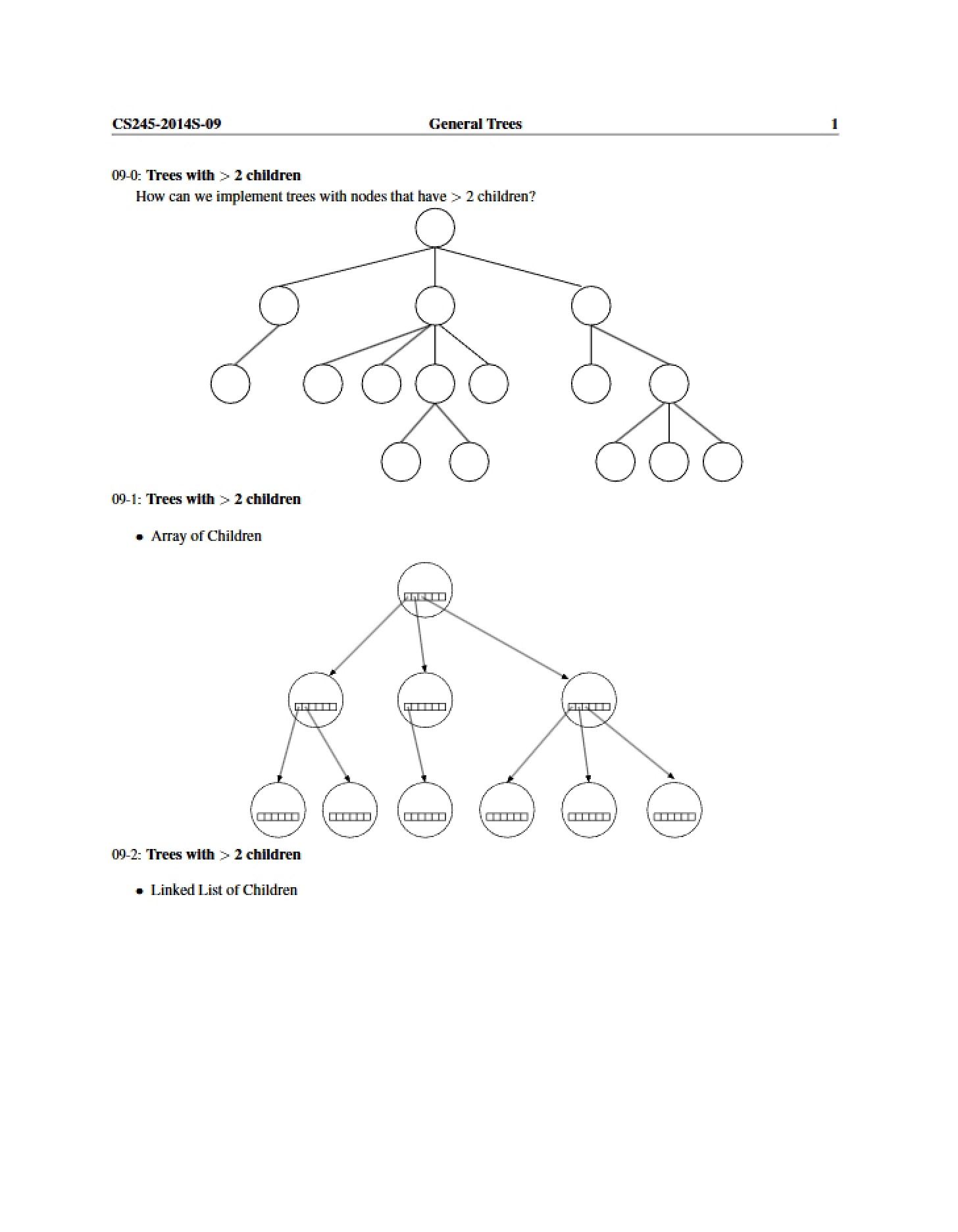
* An introduction to the core terminology associated with tree structures (nodes, edges, paths, depth, height).
* A discussion of the characteristics that define a Binary Search Tree.
* An exploration of recursive algorithm design principles.
* A breakdown of the fundamental steps involved in searching for elements within a Binary Search Tree.
* Insights into the benefits of utilizing tree structures for efficient data management.