What This Document Is
These are lecture notes from CHEM 634: Advanced Organic Chemistry – Synthesis and Reactivity, offered at the University of Delaware. The notes focus on a critical area within advanced organic chemistry: the formation and reactions of enolates, and related rearrangement reactions. This material builds upon foundational organic chemistry knowledge and delves into the complexities of controlling reactivity and stereochemistry in synthesis. The notes compile key concepts and references discussed during lectures on carbon-carbon bond forming reactions.
Why This Document Matters
This resource is invaluable for students enrolled in advanced organic chemistry courses, particularly those focusing on synthetic strategies. It’s most helpful when used to reinforce lecture material, prepare for exams, or as a reference while tackling complex synthesis problems. Students who are aiming to master reaction mechanisms, stereochemical outcomes, and the application of specific reagents will find these notes particularly beneficial. Access to these notes can help bridge the gap between theoretical concepts and practical application in the lab.
Topics Covered
* Enolate Formation: Kinetic vs. Thermodynamic Control
* Stereocontrolled Enolate Formation & Alkylation (Endocyclic & Exocyclic Systems)
* Alkylation Reactions of Various Carbonyl Compounds (Aldehydes, Ketoesters)
* Enolate Generation via Reduction of Enones
* Alkylation of Metalloimines
* Extended Enolate Systems & Reactivity
* Claisen Rearrangements: Mechanisms and Applications
* Chirality Transfer in Rearrangement Reactions
* Specific Named Rearrangements (e.g., Ireland Claisen)
What This Document Provides
* A compilation of key concepts related to enolate chemistry and rearrangement reactions.
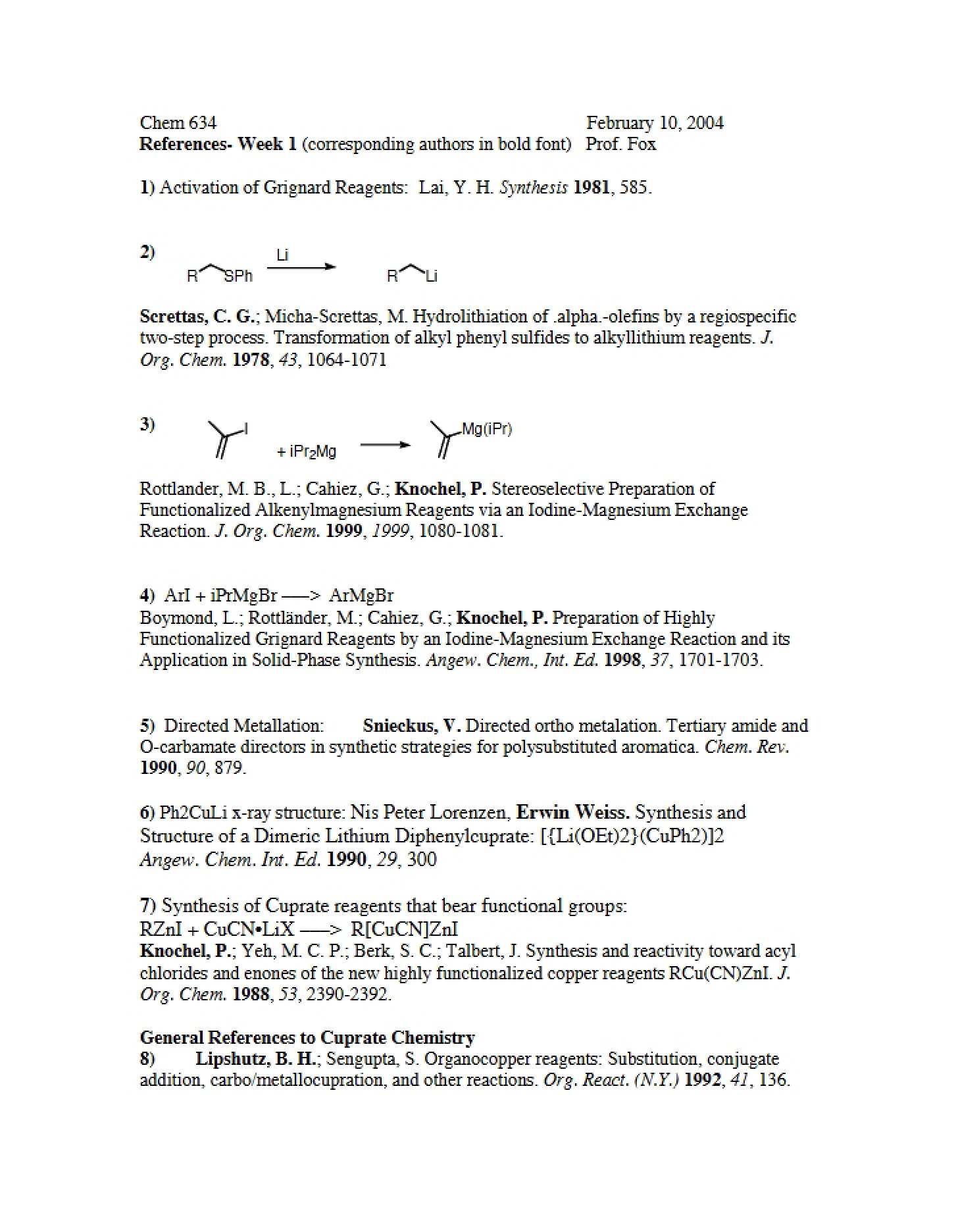
* References to seminal research articles and reviews in the field, allowing for deeper exploration of specific topics.
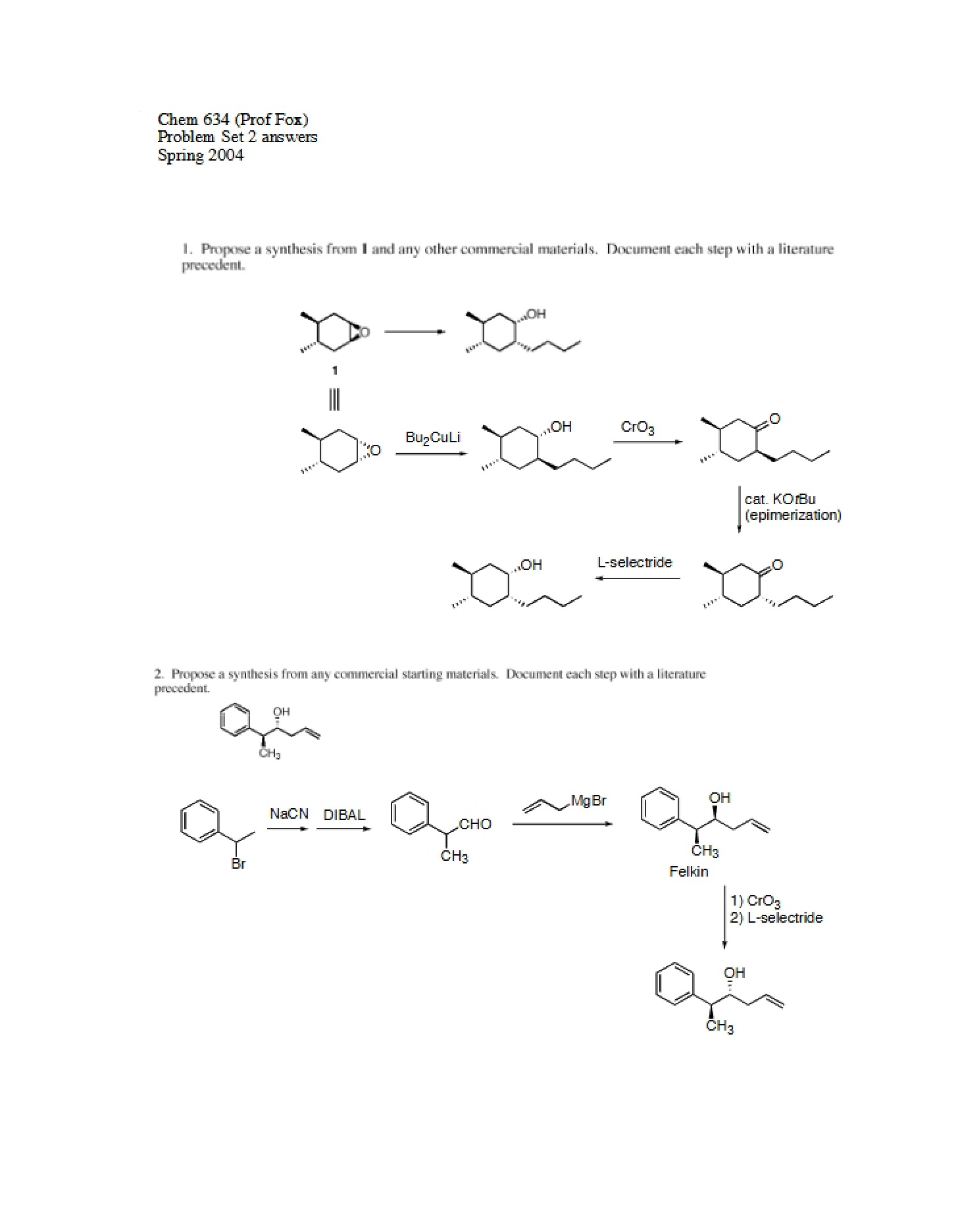
* A structured overview of different methods for generating and utilizing enolates.
* Connections between theoretical principles and practical synthetic applications.
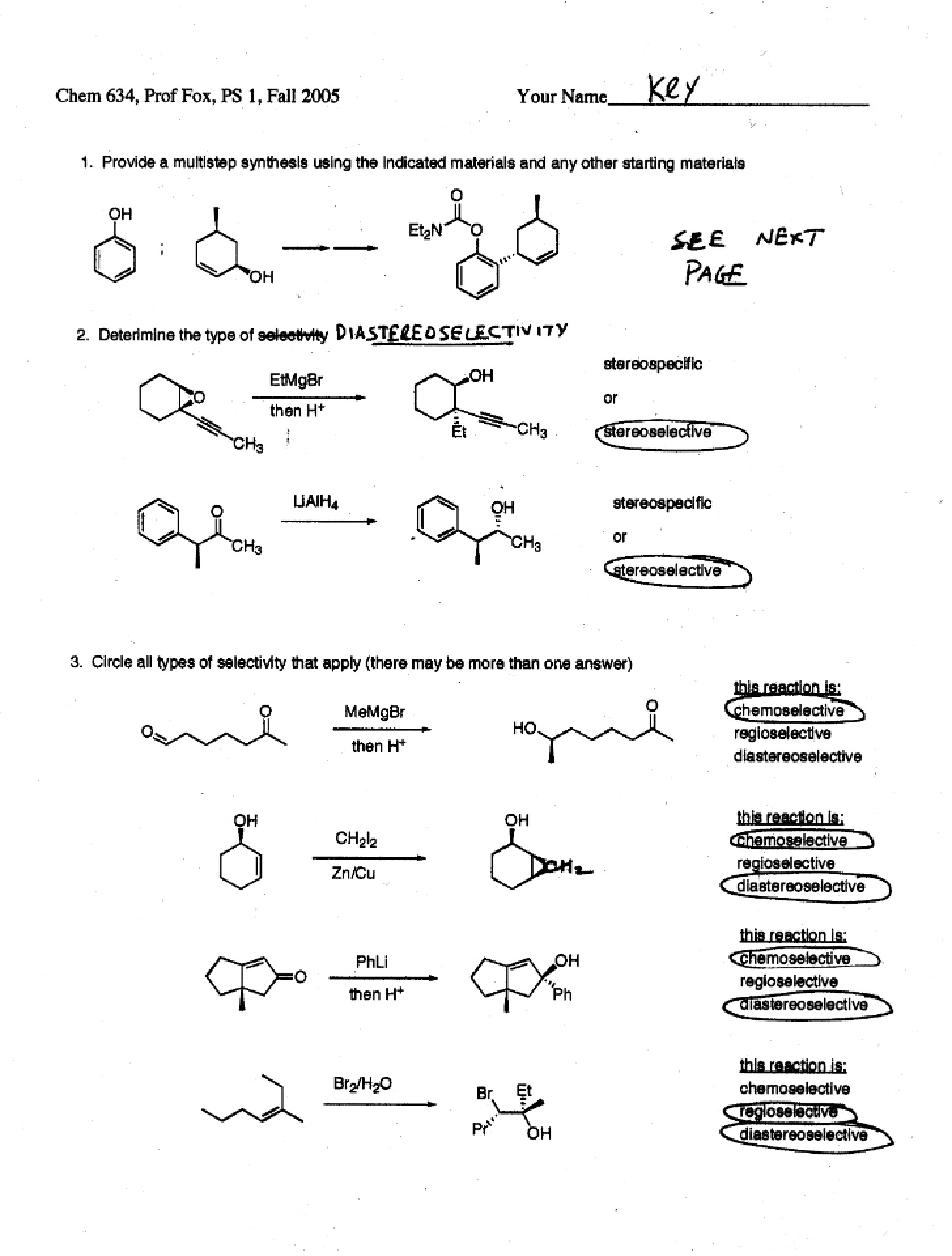
* A valuable resource for understanding the factors influencing reaction selectivity and stereochemical control.