What This Document Is
These are lecture notes from a Communication Research Methods course (COMM 301) at the University of Delaware. They represent a foundational overview of the scientific approach to studying communication phenomena. The notes capture key concepts and distinctions essential for understanding how research is conducted in the field, moving from broad theoretical ideas to concrete data collection and analysis. This material is designed to build a strong base for more advanced research coursework.
Why This Document Matters
This resource is incredibly valuable for students enrolled in introductory communication research methods courses. It’s particularly helpful for those who want a detailed record of lecture material to supplement textbook readings and class discussions. Reviewing these notes can aid in preparing for assignments, clarifying complex ideas, and building a solid understanding of the core principles guiding communication research. It’s best used *in conjunction* with course readings and active participation in class.
Topics Covered
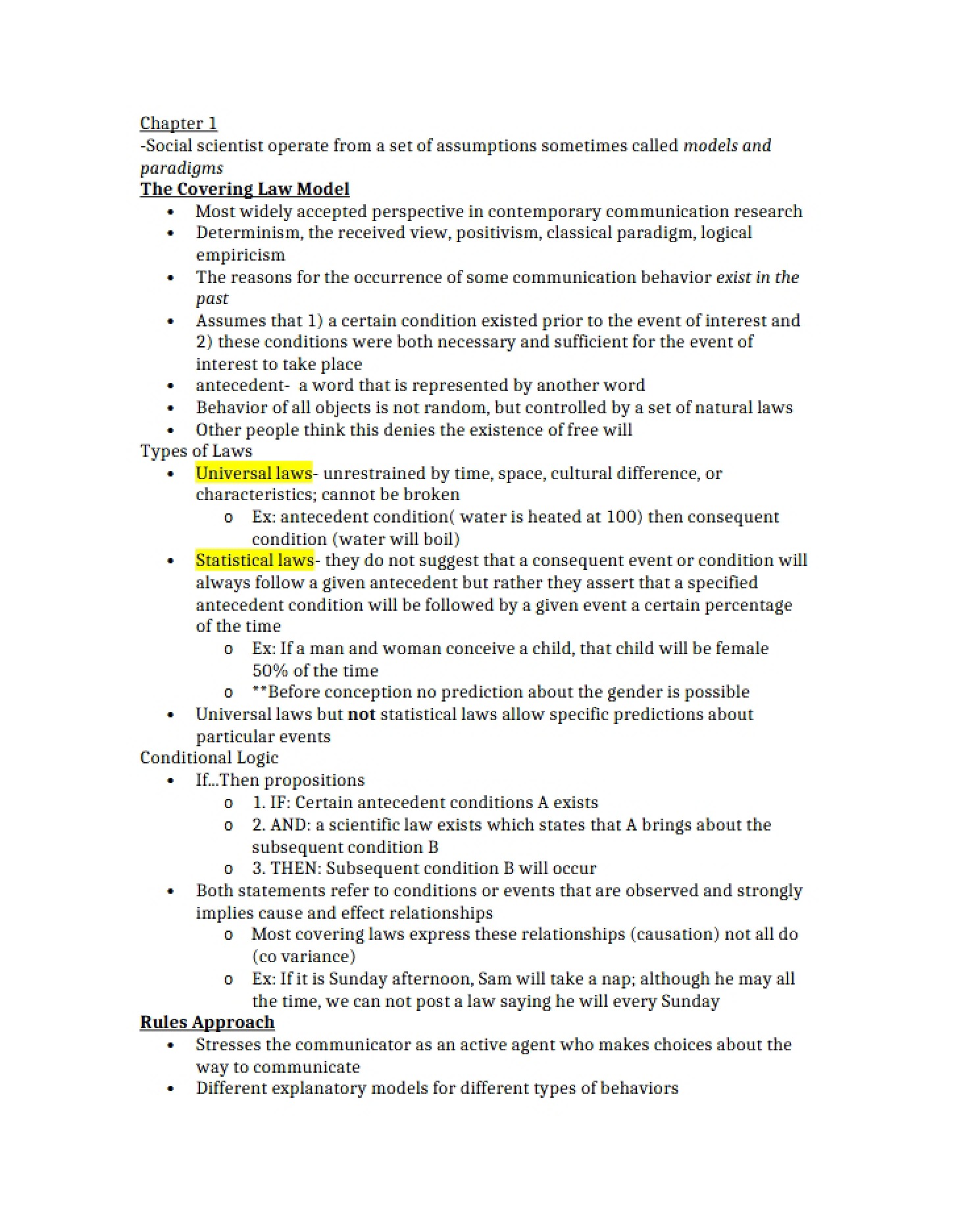
* The foundations of the scientific method and its application to communication studies
* Distinguishing between different types of relationships between variables
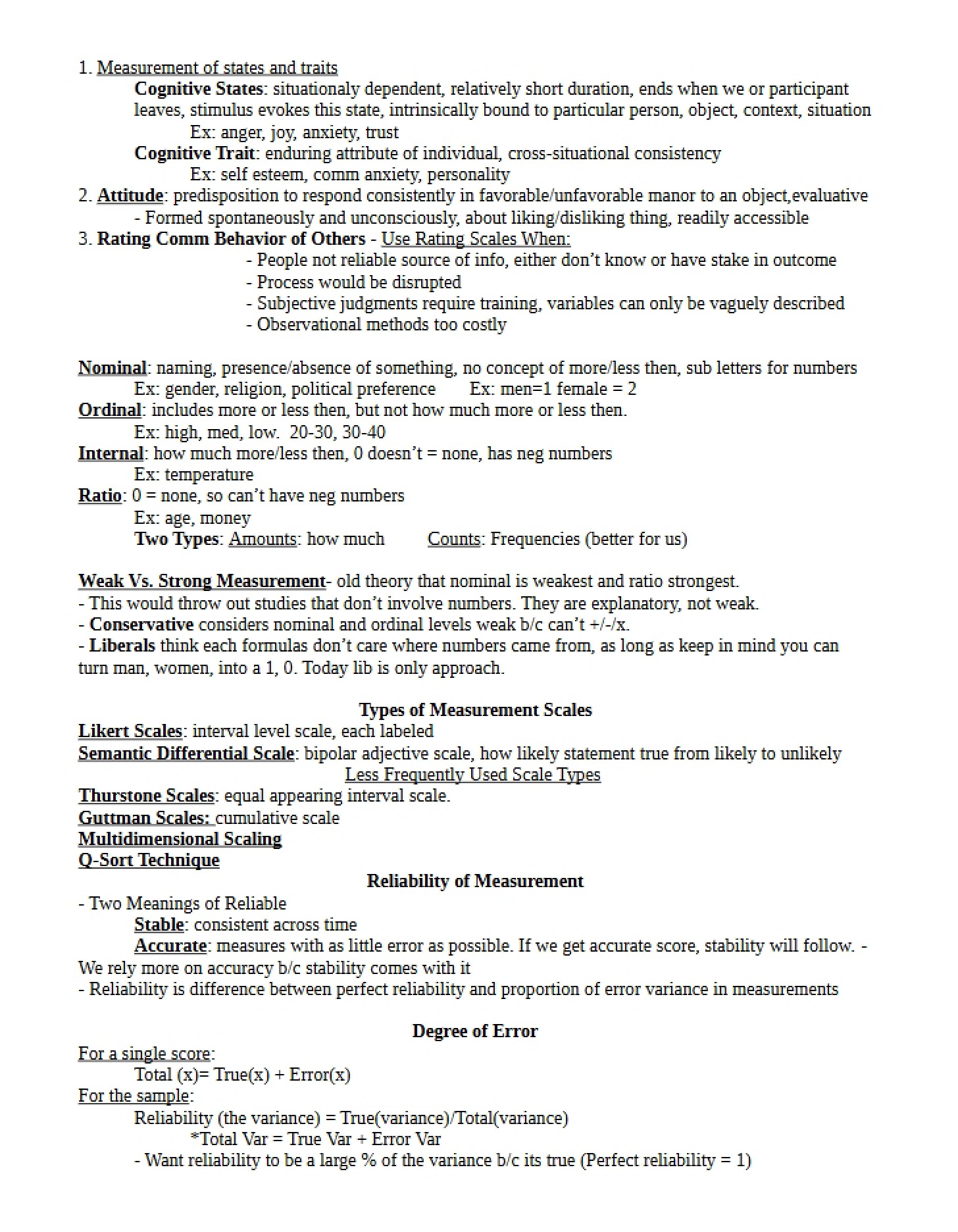
* The process of operationalizing abstract concepts into measurable variables
* Key distinctions between qualitative and quantitative research approaches
* Understanding the roles of different types of variables in a research study
* The relationship between theory and empirical data
* Defining concepts, constructs, and variables within a research framework
What This Document Provides
* A structured overview of the core principles of scientific inquiry.
* Clarification of important terminology used in research methods.
* An exploration of how researchers move from theoretical ideas to practical data collection.
* A foundational understanding of variable types and their roles in research design.
* A framework for understanding the process of defining and measuring concepts.