What This Document Is
These are seminar notes from ELENG 42, Introduction to Digital Electronics, at the University of California, Berkeley. Specifically, these notes cover foundational circuit analysis principles – the essential building blocks for understanding more complex digital systems. The material appears to be from an early lecture in the course, focusing on establishing a common understanding of basic electrical concepts. It’s presented in a lecture format, likely transcribed directly from classroom instruction.
Why This Document Matters
This resource is invaluable for students enrolled in ELENG 42 or similar introductory digital electronics courses. It’s particularly helpful for those who benefit from a detailed, step-by-step review of fundamental circuit concepts. These notes can serve as a strong foundation for grasping more advanced topics later in the course. Students preparing for labs or needing a refresher on core principles will also find this material beneficial. Accessing the full notes will allow for a comprehensive understanding of these critical concepts.
Topics Covered
* Fundamental circuit elements (wires, resistors, voltage sources, current sources)
* Kirchhoff’s Voltage and Current Laws
* Voltage and Current definitions and relationships
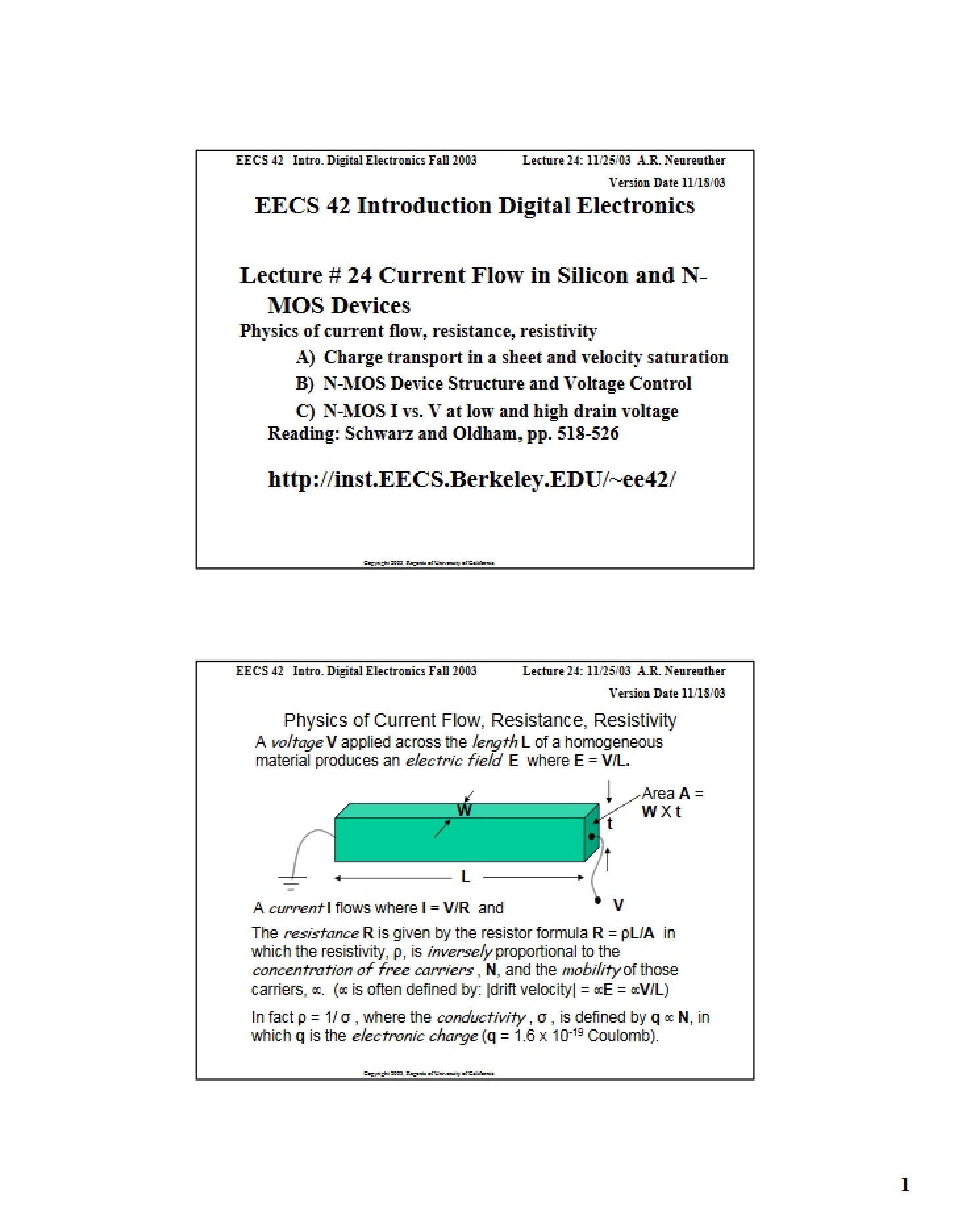
* Ohm’s Law and its application to resistors
* Ideal voltage and current source characteristics
* Graphical representations of current-voltage relationships
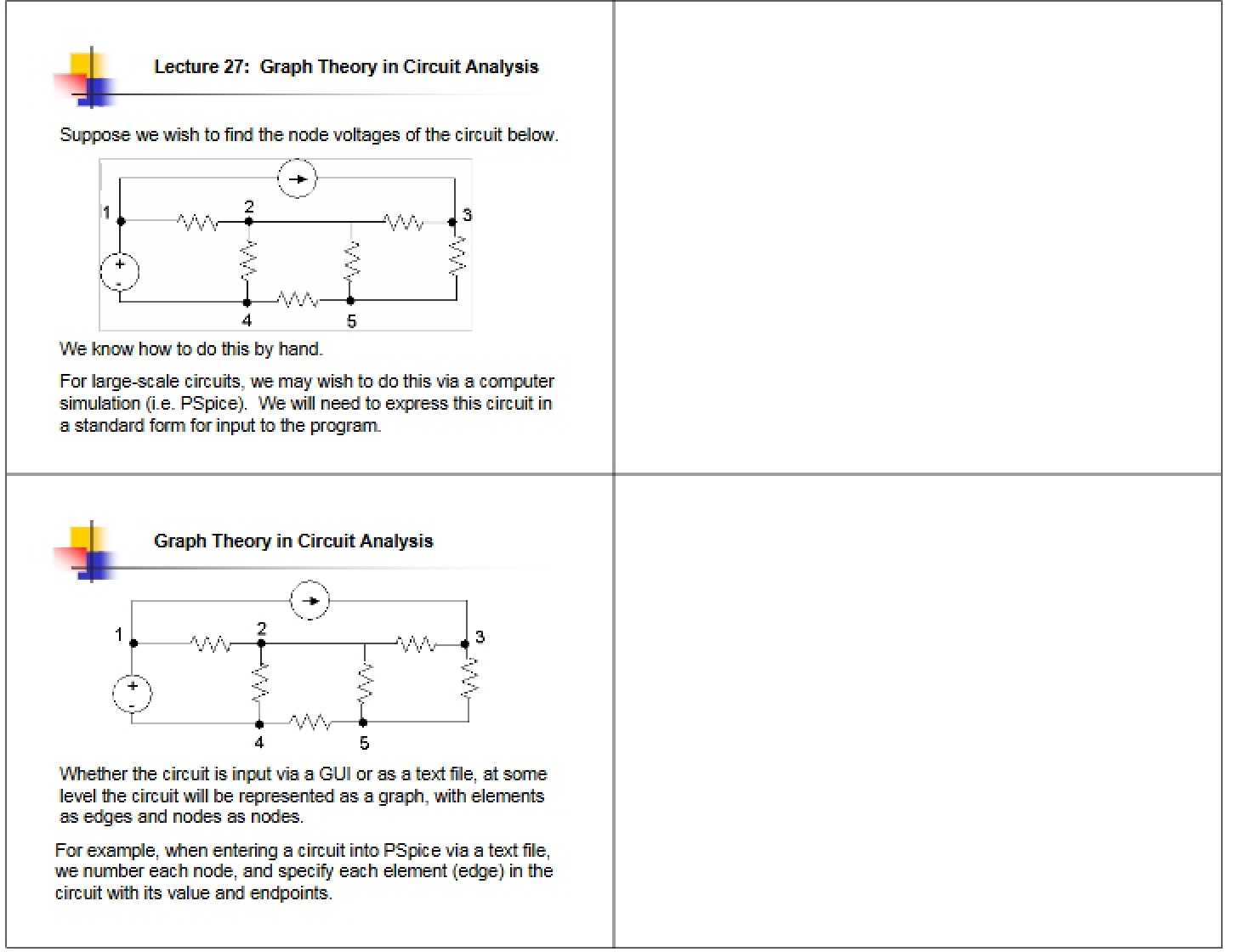
* Application of circuit laws to analyze basic circuits
What This Document Provides
* A detailed exploration of the core components used in electrical circuits.
* Clear definitions of key electrical quantities like voltage and current.
* An introduction to the fundamental laws governing circuit behavior.
* A framework for understanding how different circuit elements interact.
* A foundational understanding of circuit analysis techniques.
* Visual aids to help conceptualize circuit relationships.