What This Document Is
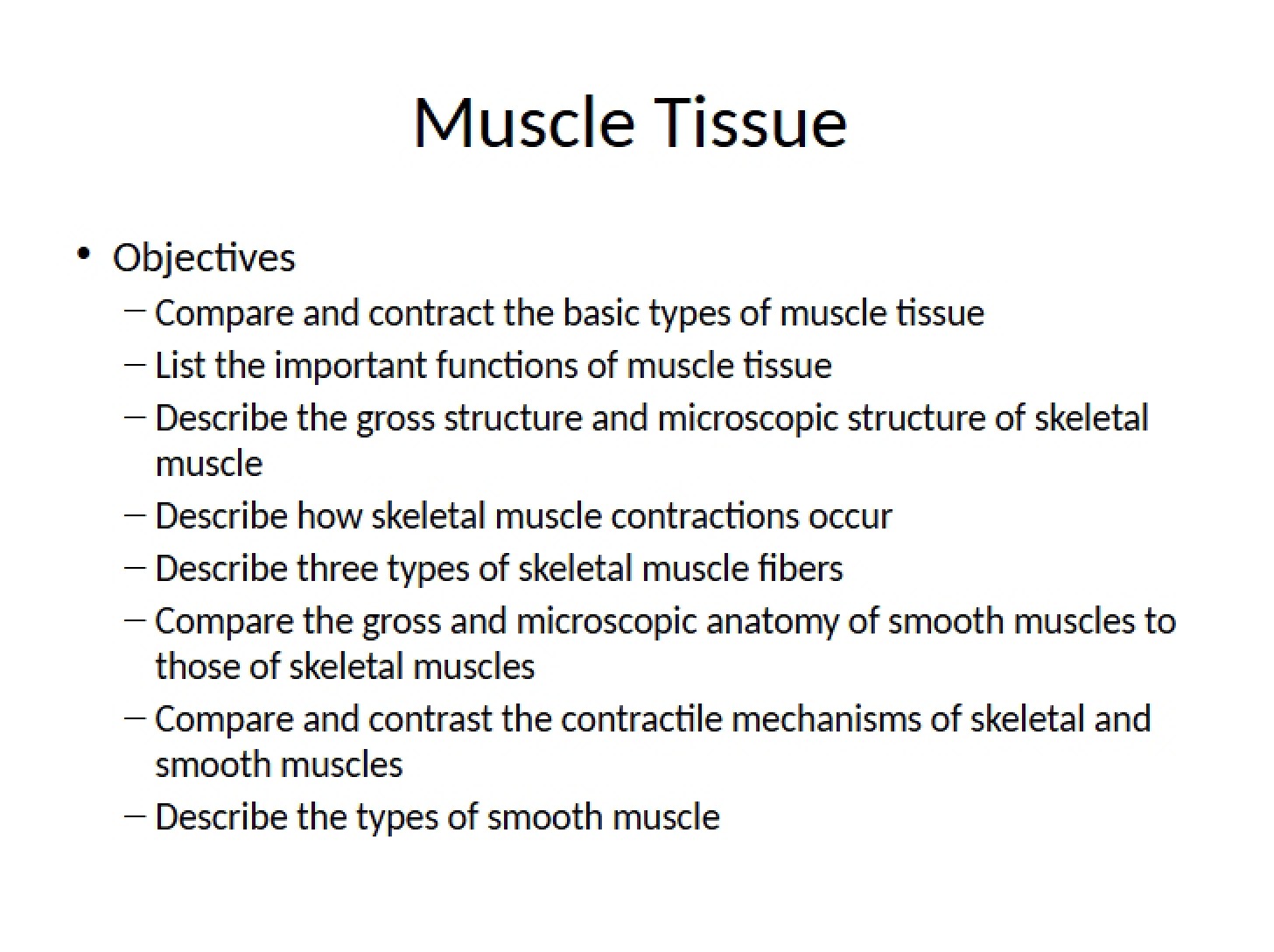
This study guide provides a focused overview of muscle tissue, a core component of the Human Anatomy and Physiology I (BIOL 243) curriculum at the University of South Carolina. It delves into the intricacies of the different muscle types – skeletal, cardiac, and smooth – and their fundamental characteristics. The guide explores the hierarchical structural organization of skeletal muscle, from the macroscopic level of muscles and fascicles down to the microscopic details of fibers, myofibrils, and ultimately, the myofilaments responsible for contraction.
Why This Document Matters
This resource is ideal for students enrolled in BIOL 243 seeking a comprehensive review of muscle tissue. It’s particularly useful when preparing for quizzes, exams, or needing a deeper understanding of the physiological mechanisms underlying movement, posture, and other vital bodily functions. Students who find themselves needing to solidify their grasp of muscle anatomy and the processes involved in muscle contraction will find this guide exceptionally helpful. It’s designed to complement your textbook and lecture notes, offering a concentrated study aid.
Common Limitations or Challenges
This guide is designed to be a focused review and does not cover broader physiological systems that interact with muscle tissue (like the nervous system in exhaustive detail). It also doesn’t include detailed clinical applications or pathological conditions related to muscle function. While it outlines the key steps involved in muscle contraction, it doesn’t provide a complete, step-by-step walkthrough of the entire process. It assumes a foundational understanding of basic biological principles.
What This Document Provides
* A comparative analysis of the three primary muscle tissue types.
* Detailed exploration of the connective tissue layers surrounding skeletal muscle.
* An overview of the structural components of a skeletal muscle fiber.
* Examination of the arrangement of proteins within a sarcomere.
* Discussion of the key terms and concepts related to muscle contraction.
* An outline of the events occurring at the neuromuscular junction.
* Explanation of the role of ions and neurotransmitters in initiating muscle activity.