What This Document Is
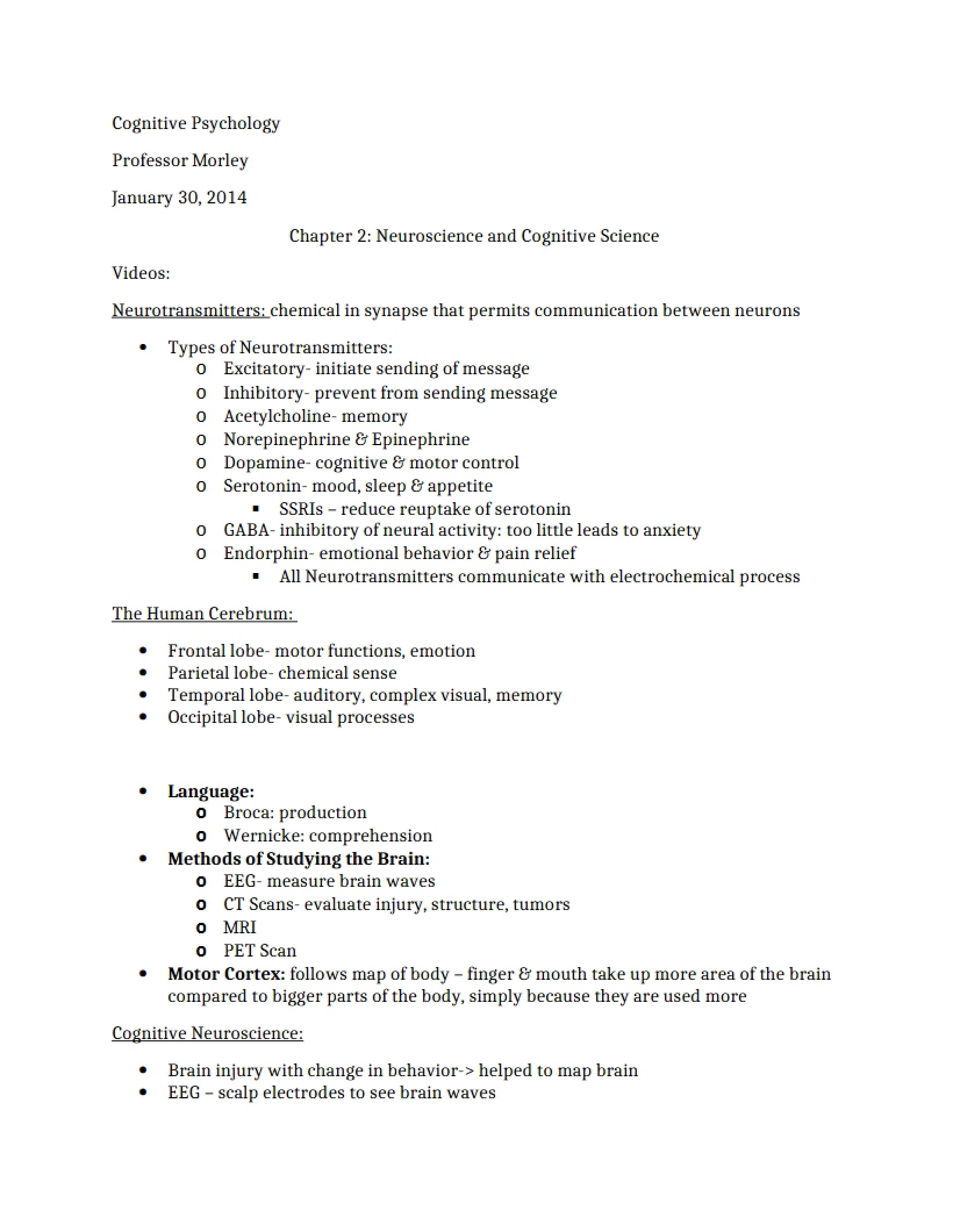
This document provides an overview of fundamental concepts within the field of Cognitive Psychology, as taught in Adelphi University’s 0501 292 course. It’s a compilation of notes covering the historical foundations of psychology, research methodologies, the biological basis of behavior and consciousness, and the concept of brain plasticity. It serves as a foundational resource for understanding the core principles explored in the course.
Why This Document Matters
This resource is valuable for students enrolled in introductory Cognitive Psychology courses, or anyone seeking a concise review of the field’s key ideas. It’s particularly useful during the initial stages of learning, offering a broad perspective before diving into more specialized topics. Understanding these core concepts is essential for building a strong foundation in psychological research and theory. It’s designed to be a quick reference point for understanding the historical context, ethical considerations, and biological underpinnings of the mind and behavior.
Common Limitations or Challenges
This document is a set of notes, and therefore does not provide in-depth analysis or comprehensive coverage of each topic. It’s intended as a starting point, not a substitute for textbooks, lectures, or further research. It doesn’t offer practical applications, case studies beyond the example of Phineas Gage, or detailed explanations of complex neurological processes.
What This Document Provides
This document includes:
* A historical timeline of psychology, starting with Wilhelm Wundt’s experiment in 1879.
* Discussion of the influence of demographic biases (WEIRD) in psychological research.
* An overview of seven key approaches in psychology (biological, behavioral, etc.).
* A summary of scientific research methods (descriptive, correlational, experimental).
* Key ethical guidelines for psychological research, including the Nuremberg Code and Belmont Report.
* Basic information about brain structure, neurons, action potentials, and neurotransmitters.
* An introduction to brain plasticity and a brief case study of Phineas Gage.
This preview *does not* include detailed explanations of statistical analysis, specific experimental designs, or advanced neurobiological concepts. It also does not contain practice questions or detailed case studies beyond the initial mention of Phineas Gage.