What This Document Is
This document provides an overview of major figures and developments in the history of Modern Dance in the United States, as studied within the context of Kent State University’s Dance As An Art Form (DAN 27076) course. It’s a concentrated look at pioneers who broke from classical ballet traditions and forged new expressive movement vocabularies.
Why This Document Matters
This resource is essential for students in dance history, modern dance technique classes, or anyone seeking a foundational understanding of 20th and 21st-century dance. It’s typically used as a study aid for lectures, a reference for choreography projects, and preparation for discussions on the evolution of dance as an art form. Understanding these foundational figures is crucial for contextualizing contemporary dance practices.
Common Limitations or Challenges
This document is a focused overview and does *not* provide in-depth technique breakdowns or detailed choreographic analyses. It’s a starting point for further research, not a comprehensive guide. It also doesn’t cover the full scope of modern dance’s global influences or post-modern developments beyond an initial introduction.
What This Document Provides
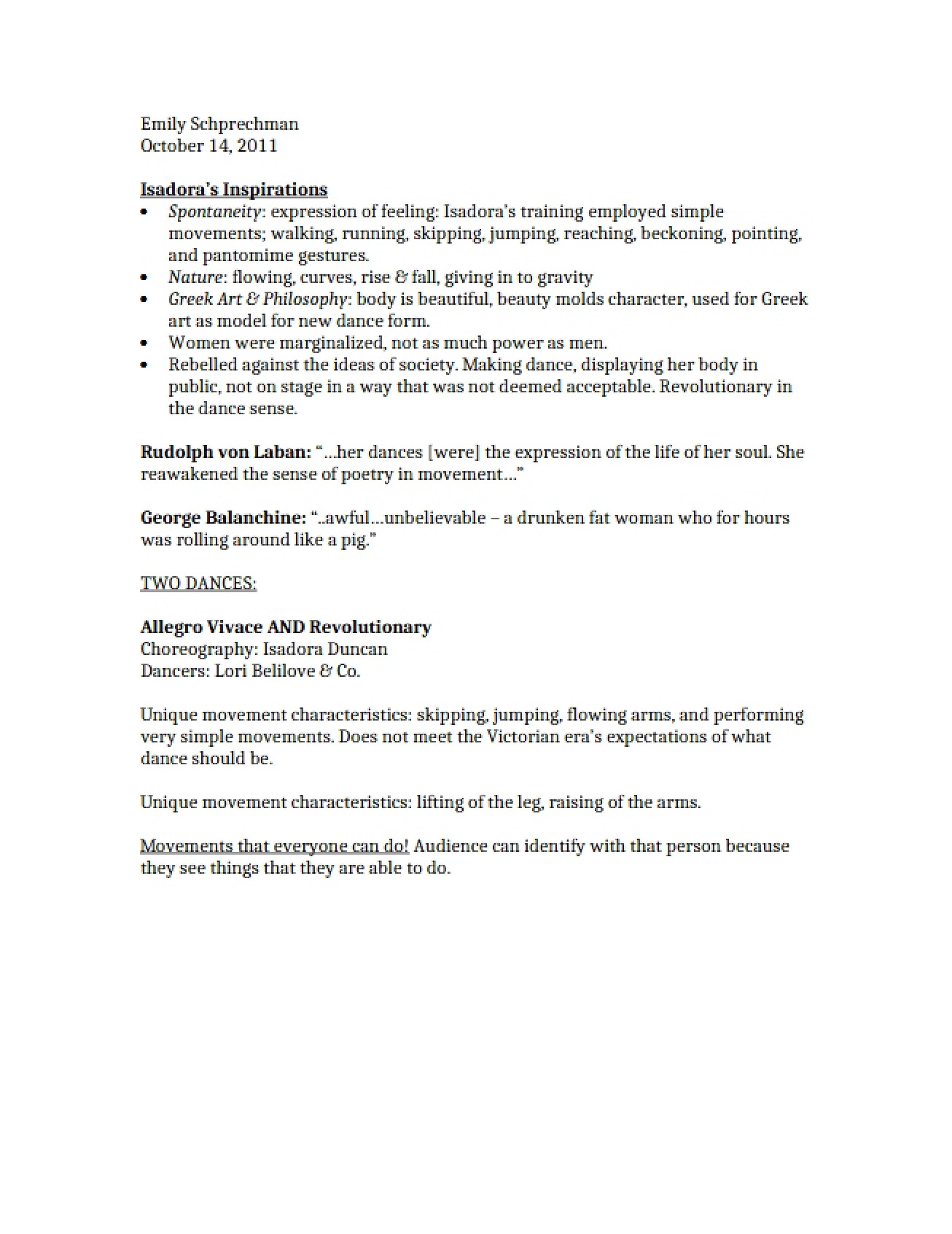
This document specifically outlines the contributions of: Isadora Duncan, Ruth St. Denis, Ted Shawn (and their collaborative Denishawn school), Martha Graham, Erick Hawkins, Merce Cunningham, and Paul Taylor. It highlights key aspects of their philosophies, techniques (contraction/release, ease and flow, dance by chance), and the lasting impact of their companies and schools. It also touches on May O’Donnell and the influence of figures like Louis Horst and Isamu Noguchi. The document notes the establishment of important institutions like Jacob’s Pillow and the first university dance programs. This preview does *not* include detailed biographical information beyond the scope of their dance contributions, nor does it include analysis of specific choreographic works beyond those mentioned as examples.