What This Document Is
This document provides a focused exploration of notes receivable impairment, a critical topic within Intermediate Financial Accounting II (ACCT 414) at the University of Idaho. It delves into the accounting principles governing how businesses handle situations where the collectability of promissory notes is in question. The material examines the standards set by both US Generally Accepted Accounting Principles (GAAP) and International Financial Reporting Standards (IFRS) concerning the recognition and measurement of impairment losses.
Why This Document Matters
This resource is invaluable for students seeking a deeper understanding of complex accounting procedures related to financial assets. It’s particularly helpful for those preparing for assessments or needing to apply these principles in future accounting roles. Understanding notes receivable impairment is essential for accurately representing a company’s financial position and performance, and this document offers a concentrated study of the relevant rules and considerations. It’s best utilized when you’re tackling problems involving potential uncollectible amounts from notes receivable.
Topics Covered
* The conceptual framework for impairment under US GAAP
* Impairment assessment methodologies
* Accounting for impairment losses under US GAAP (allowance account approach)
* Troubled debt restructurings and their accounting implications
* A comparison of US GAAP and IFRS approaches to impairment
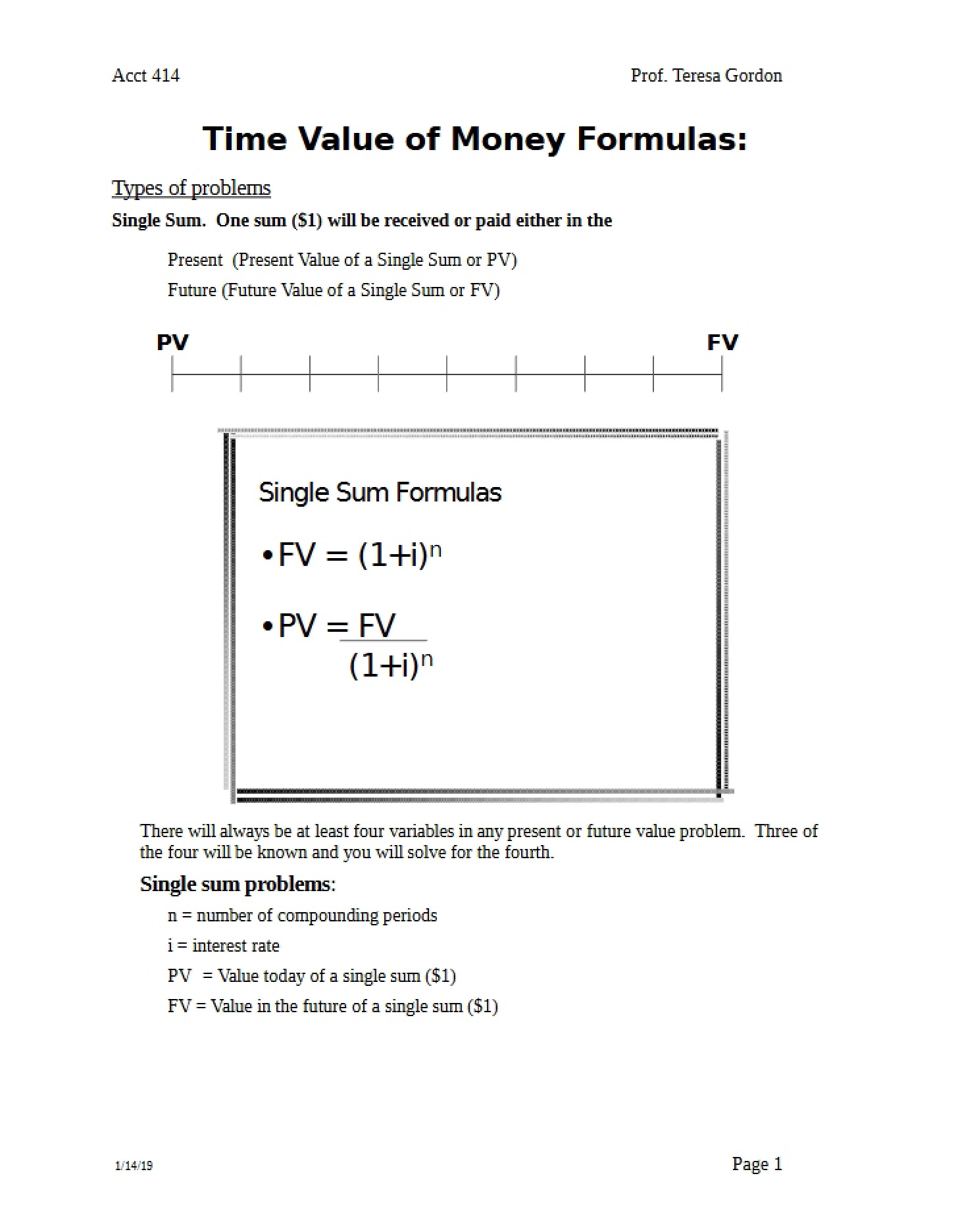
* The role of discounted cash flows in impairment calculations
* Considerations regarding the reversal of impairment losses (IFRS)
What This Document Provides
* A detailed overview of the principles governing notes receivable impairment.
* Discussion of the differences in treatment between US GAAP and IFRS.
* Exploration of scenarios involving modifications to original loan terms (restructuring).
* Contextual information regarding the application of these standards in practice.
* References to related course materials and resources.