What This Document Is
This study guide provides a focused overview of tissues, a foundational topic within Human Anatomy & Physiology I (BIOL 243) at the University of South Carolina. It systematically explores the four primary tissue types – nervous, muscular, epithelial, and connective – outlining their fundamental characteristics and roles within the human body. This resource is designed to aid in understanding the building blocks of organs and systems, offering a comprehensive, yet concise, exploration of tissue structure and function.
Why This Document Matters
This guide is invaluable for students seeking to solidify their understanding of tissue biology. It’s particularly helpful when preparing for quizzes and exams covering histology, or when needing a quick reference to reinforce lecture material. Students who are visually oriented or prefer a structured approach to learning will find this resource especially beneficial. It’s ideal for those aiming to build a strong foundation for more complex physiological concepts that rely on understanding tissue organization.
Common Limitations or Challenges
This guide is designed to *supplement* – not replace – textbook readings and classroom lectures. It does not include detailed microscopic imagery or lab practical guidance. While it outlines the key features of each tissue type, it doesn’t delve into specific disease states or clinical correlations. Furthermore, it doesn’t provide step-by-step instructions for identifying tissues under a microscope; that requires hands-on laboratory experience.
What This Document Provides
* A categorized breakdown of the four main tissue types.
* Key characteristics defining each tissue type’s structure and function.
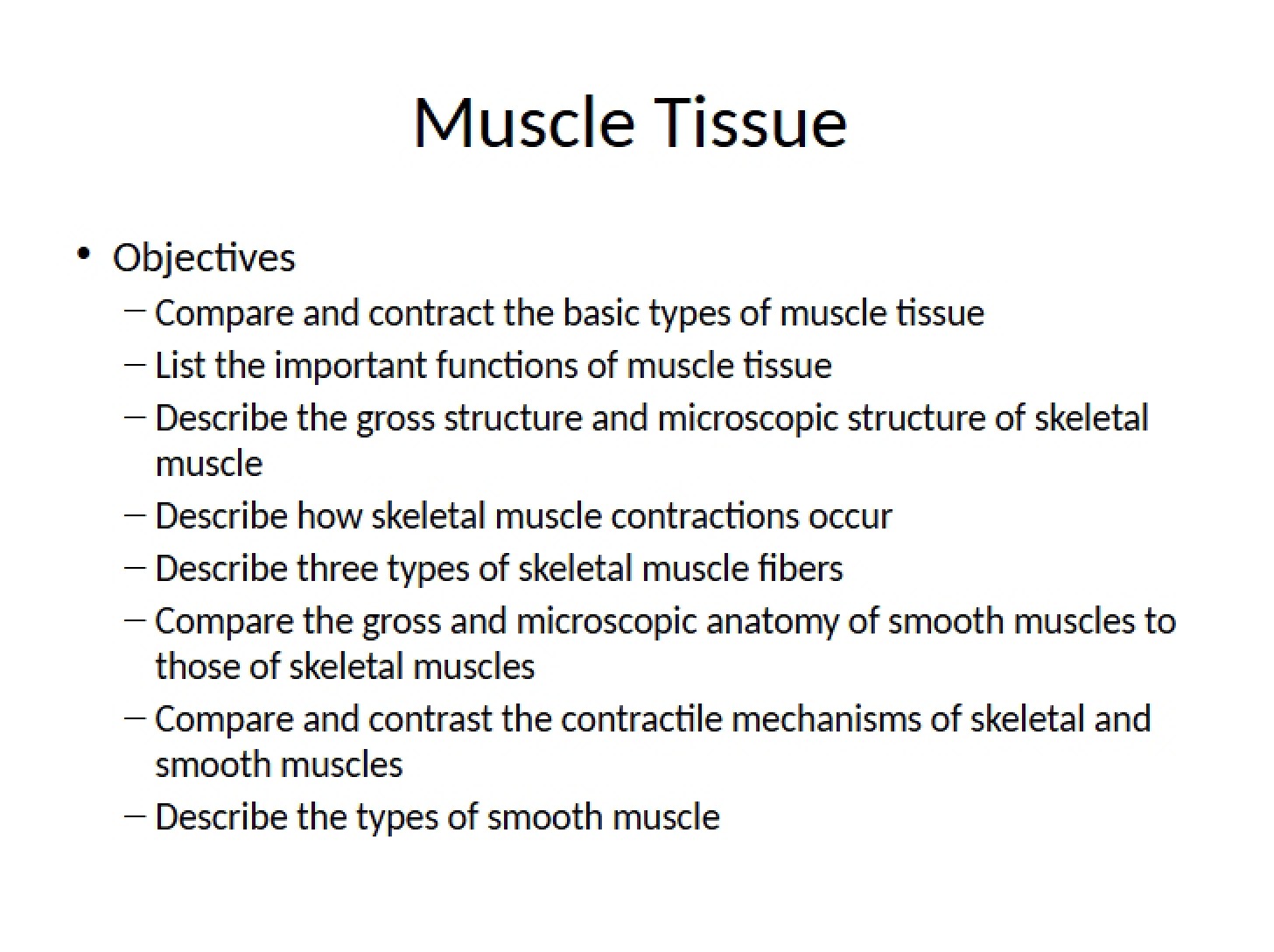
* An overview of the subtypes within muscular and epithelial tissues.
* Discussion of the unique components found within connective tissues, including matrix and fiber types.
* An exploration of the general functions associated with each tissue category.
* An introduction to different modes of cellular secretion within epithelial tissues.