What This Document Is
This document is a comprehensive exploration of animal nutrition, specifically designed as a chapter within an introductory biology course. It delves into the fundamental principles governing how animals obtain and utilize the sustenance needed for life. The material examines the diverse dietary strategies observed across the animal kingdom and the biochemical requirements underpinning these processes. It’s a foundational piece for understanding physiological processes at a deeper level.
Why This Document Matters
This resource is invaluable for students enrolled in introductory biology courses, particularly those seeking to grasp the core concepts of animal physiology and biochemistry. It’s most beneficial when studying energy flow within ecosystems, metabolic processes, and the relationship between diet and overall health. Students preparing for exams or quizzes on animal systems will find this a strong starting point for focused study. It’s also helpful for anyone curious about the science behind dietary needs and the classification of different feeding behaviors in the animal world.
Common Limitations or Challenges
This material focuses on the *principles* of animal nutrition. It does not provide detailed analyses of specific animal digestive systems, nor does it offer clinical advice regarding dietary needs for humans or animals. It also doesn’t cover the evolutionary history of nutritional strategies, or the impact of environmental factors on nutrient availability. The content is a building block – further study will be needed to apply these concepts to specific species or complex scenarios.
What This Document Provides
* An overview of the major animal dietary categories (herbivores, carnivores, omnivores).
* A discussion of the essential components animals require from their diet for survival.
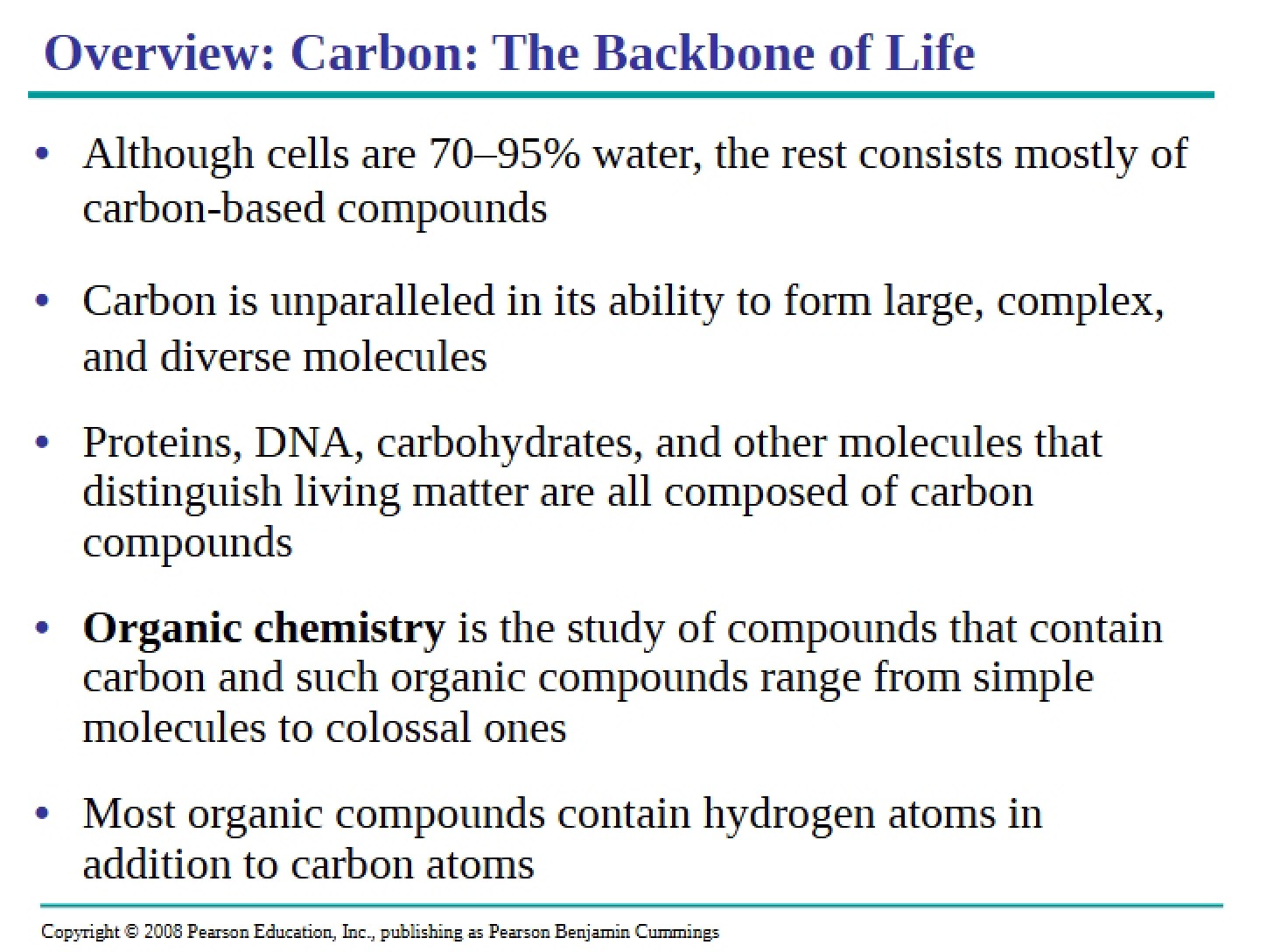
* An examination of the role of organic molecules in animal nutrition.
* An introduction to the concept of essential nutrients and their classifications.
* A breakdown of the importance of amino acids, fatty acids, vitamins, and minerals.
* A categorization of vitamins based on solubility.