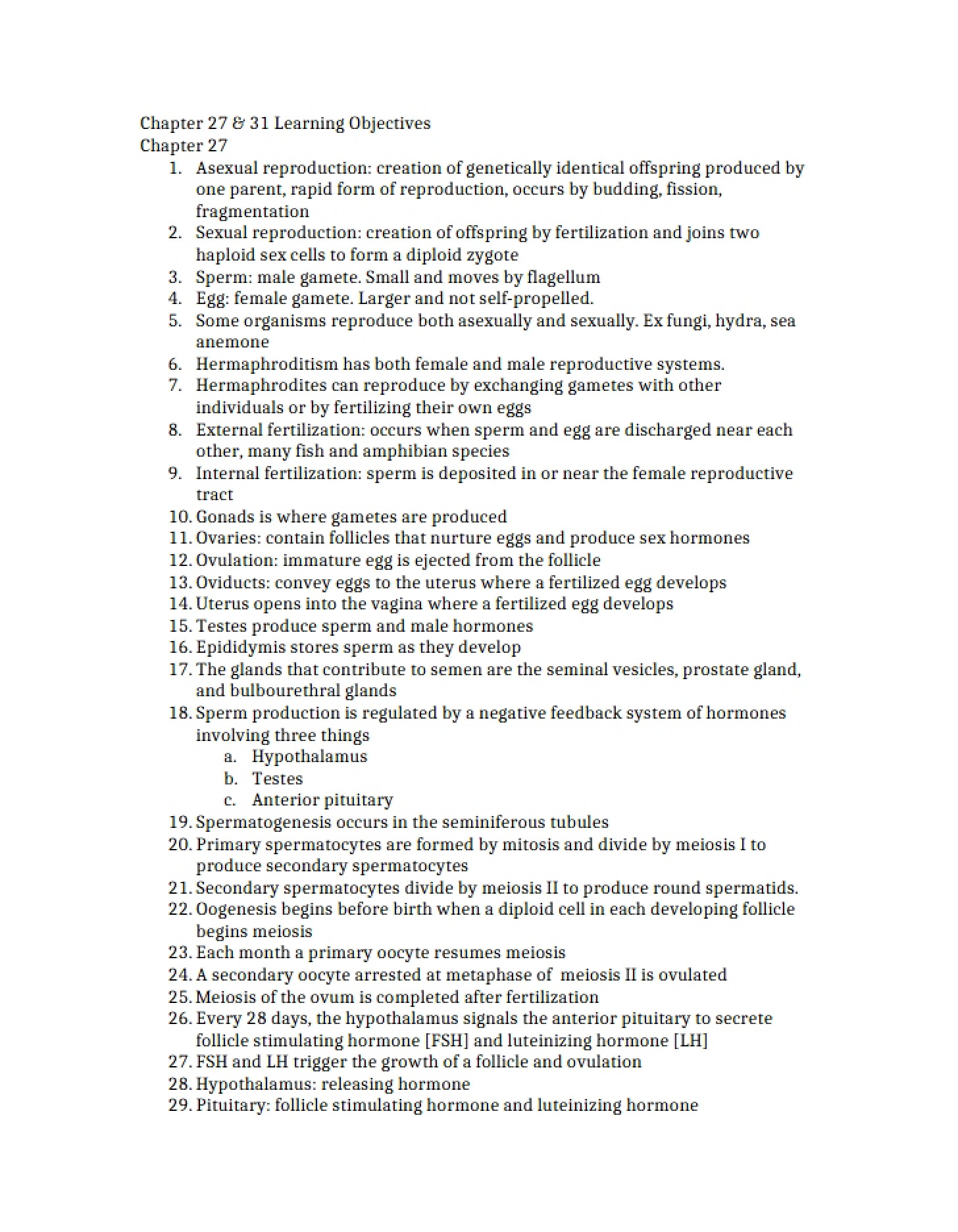
What This Document Is
This study guide outlines the core learning objectives for Chapter Four of BIOS 103: Human Development and Reproduction at the University of Illinois at Chicago. It’s designed to help students focus their study efforts and understand the key concepts related to cellular structure and function – the foundational building blocks of all living organisms. This resource details the essential knowledge expected after a thorough review of the chapter material.
Why This Document Matters
This guide is an invaluable tool for students preparing for quizzes, exams, or simply seeking a clearer understanding of complex biological principles. It’s particularly useful for students who benefit from a structured overview *before* diving into detailed readings, or as a checklist to ensure comprehensive comprehension *after* studying. Students who utilize this guide will be better equipped to grasp the intricacies of cell biology and its relevance to human development and reproduction.
Topics Covered
* Cellular Microscopy and Scale
* Fundamental Differences Between Prokaryotic and Eukaryotic Cells
* The Structure and Function of the Plasma Membrane
* Key Cellular Organelles and Their Roles
* Cellular Metabolism and Energy Processing
* Plant vs. Animal Cell Structures
* The Nucleus and Genetic Material
* Protein Synthesis and Ribosomal Function
* The Endomembrane System
* Mitochondria and Chloroplasts – Structure and Function
* The Cytoskeleton and Cellular Movement
* Endosymbiotic Theory
What This Document Provides
* A clear articulation of the chapter’s primary learning goals.
* A categorized overview of essential cellular components.
* A framework for understanding the relationship between cellular structure and function.
* A roadmap for efficient and focused study of Chapter Four material.
* Key terminology related to cell biology and organelle function.