What This Document Is
This is a comprehensive guide focused on the practical application of total stations – a crucial piece of equipment in surveying and modern mapping techniques. It delves into the setup, operation, and fundamental principles behind utilizing these instruments effectively. The material is geared towards students and professionals needing a detailed understanding of total station workflows, from initial instrument preparation to data acquisition. It specifically references the Sokkia SET series of total stations, but the core concepts are broadly applicable.
Why This Document Matters
This resource is invaluable for students enrolled in Geomorphology, Surveying, Civil Engineering, or related geospatial disciplines. It’s particularly helpful when you’re transitioning from theoretical knowledge to hands-on fieldwork. Professionals needing a refresher on total station procedures, or those adopting new instruments, will also find this a useful reference. Understanding total station operation is fundamental for accurate data collection in a variety of applications, including topographic mapping, construction layout, and deformation monitoring.
Common Limitations or Challenges
This guide focuses on the *how* of operating a total station, but it doesn’t replace the need for a thorough understanding of surveying principles, error analysis, or coordinate systems. It also assumes a basic familiarity with surveying terminology. While it covers essential setup procedures, it doesn’t provide in-depth troubleshooting for complex instrument malfunctions. Furthermore, it doesn’t cover advanced data processing techniques or specific software applications used to manage total station data.
What This Document Provides
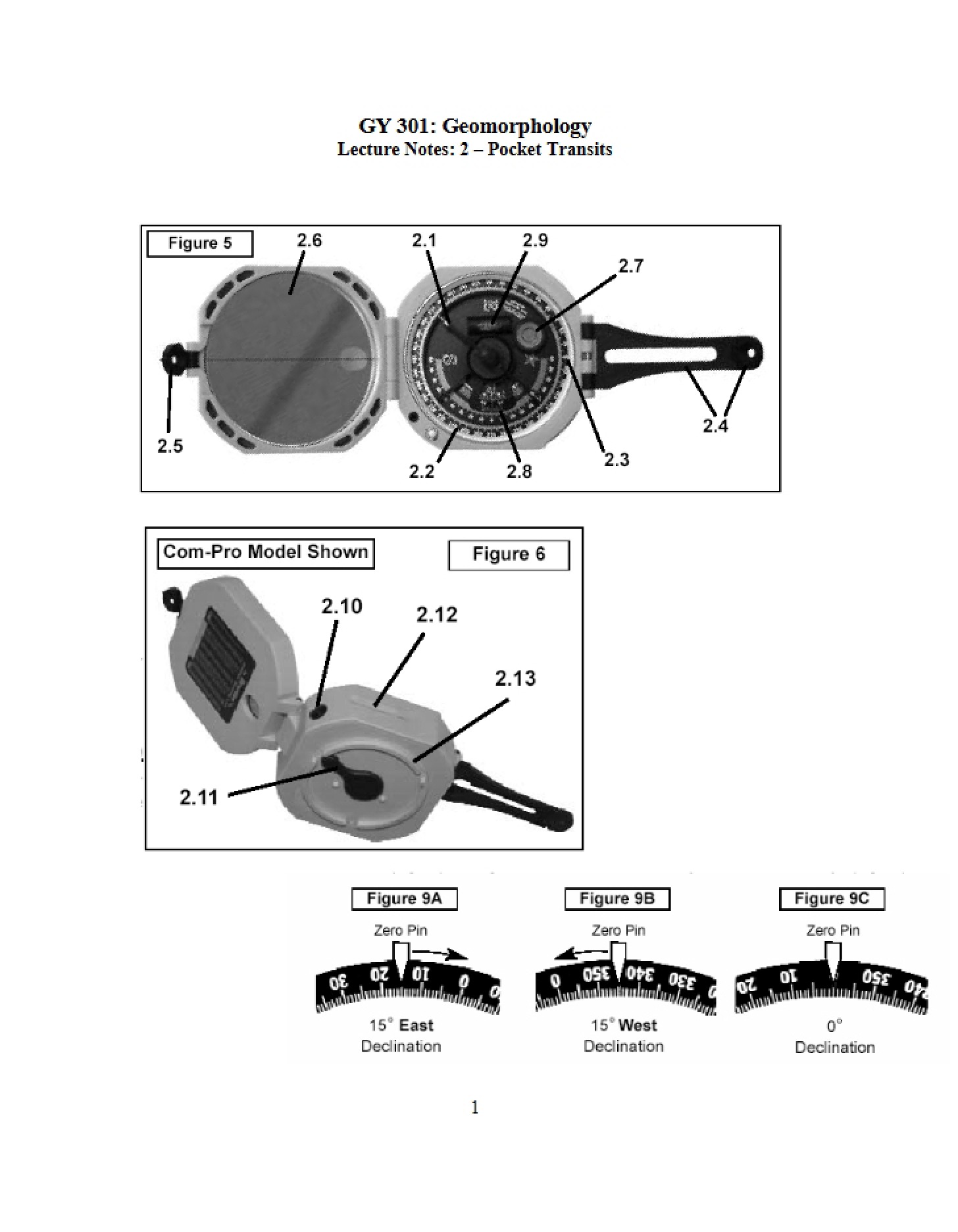
* Detailed illustrations of total station components and their functions.
* An overview of key operational elements, including instrument keys and menu navigation.
* A systematic approach to instrument leveling, emphasizing accuracy and precision.
* Guidance on focusing the optical plummet and telescope for clear target acquisition.
* An introduction to utilizing the instrument for height measurements.
* Discussion of important considerations for minimizing observational errors.