What This Document Is
This is a focused study guide designed to reinforce your understanding of optical activity and related stereochemistry concepts within Organic Chemistry I (CHEM 232) at the University of Illinois at Urbana-Champaign. It’s built around a key worksheet format, offering a series of problems to test and develop your skills in this crucial area of the course. The guide concentrates on applying theoretical knowledge to practical calculations and structural analysis.
Why This Document Matters
This resource is ideal for students currently enrolled in Organic Chemistry I who are looking for extra practice applying concepts related to chirality, stereoisomers, and the measurement of optical activity. It’s particularly helpful when preparing for quizzes or exams that require you to perform calculations involving specific rotation, enantiomeric excess, and concentration. Working through these types of problems will solidify your understanding and build confidence in your ability to tackle complex stereochemical challenges.
Topics Covered
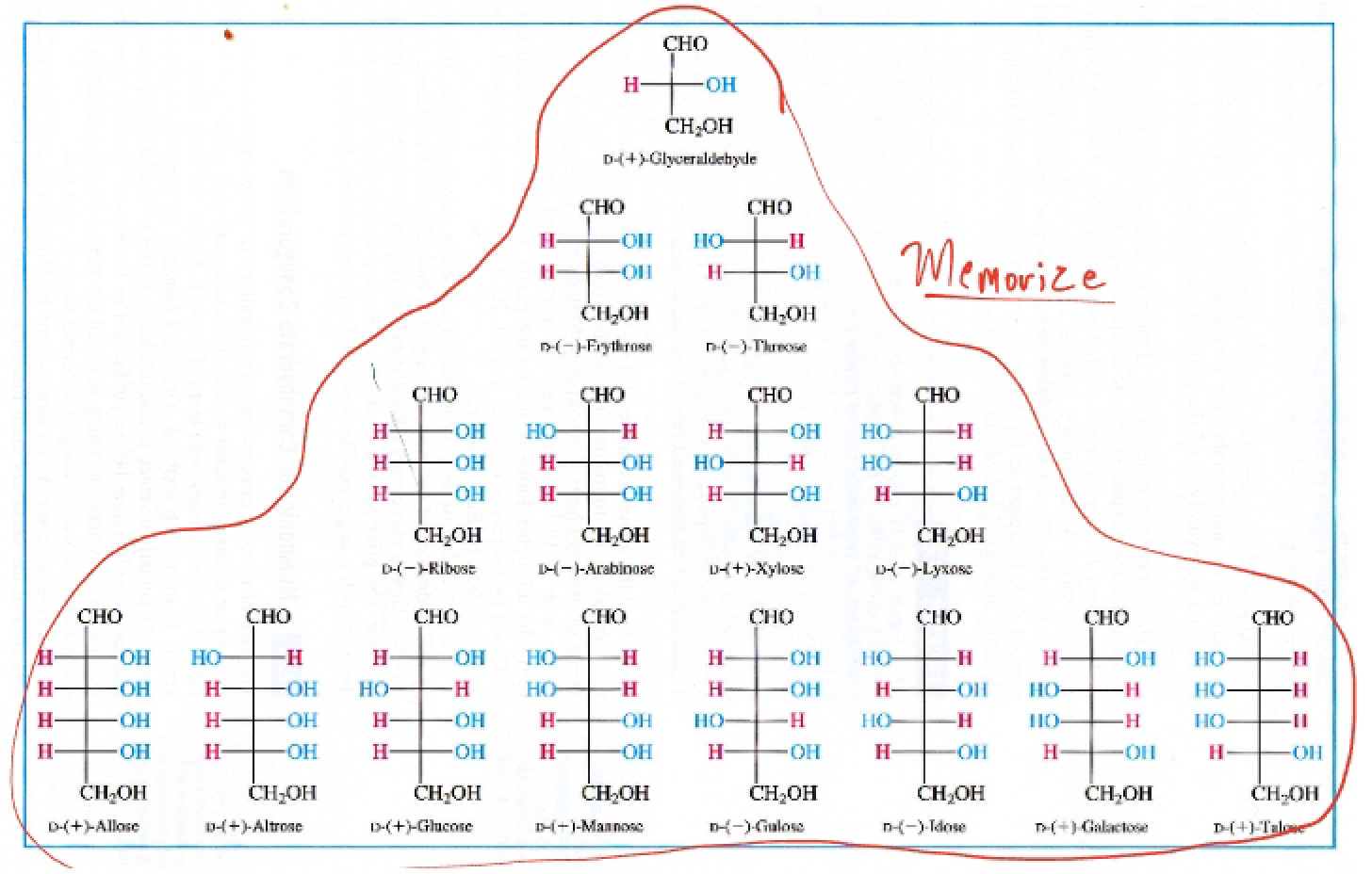
* Drawing and interpreting stereochemical representations (wedges, dashes, Fischer projections)
* Determining the configuration (R/S) of stereocenters
* Calculating specific rotation from observed rotation data
* Determining enantiomeric excess (ee) and percent composition of enantiomers
* Applying the principles of optical activity to real-world examples (e.g., epinephrine, monosodium glutamate)
* Problem-solving techniques for analyzing mixtures of enantiomers
What This Document Provides
* A series of practice problems designed to test your understanding of optical activity.
* Scaffolding to help you apply formulas related to specific rotation, concentration, and enantiomeric excess.
* Opportunities to practice assigning R and S configurations to chiral centers within complex molecules.
* Illustrative examples that demonstrate how to analyze mixtures of enantiomers and determine their composition.
* A focused approach to mastering key concepts in stereochemistry, essential for success in Organic Chemistry I.