What This Document Is
This is a detailed laboratory operations guide for CHEM 237, Structure and Synthesis, at the University of Illinois at Urbana-Champaign. Specifically, it focuses on Experiment #31, centered around reactions involving hydroxyl compounds and an investigation into an unexpected reaction outcome. It’s designed to accompany hands-on laboratory work and provides the foundational knowledge needed to successfully complete the experiment and analyze the results. This resource bridges theoretical concepts with practical application in an organic chemistry lab setting.
Why This Document Matters
This guide is essential for students enrolled in CHEM 237 who are preparing for and conducting Experiment #31. It’s most valuable *before* entering the lab, as it outlines the experimental scenario and prepares you to formulate a plan. It’s also crucial during data analysis, as it connects the experimental work to relevant spectroscopic techniques. Students who thoroughly review this material will be better equipped to interpret their findings and draw informed conclusions. Access to the full document unlocks a deeper understanding of reaction mechanisms and structure determination.
Topics Covered
* Reactions of Hydroxyl Compounds
* Carbocation Chemistry
* Reaction Mechanisms & Analysis
* Structure Determination Techniques
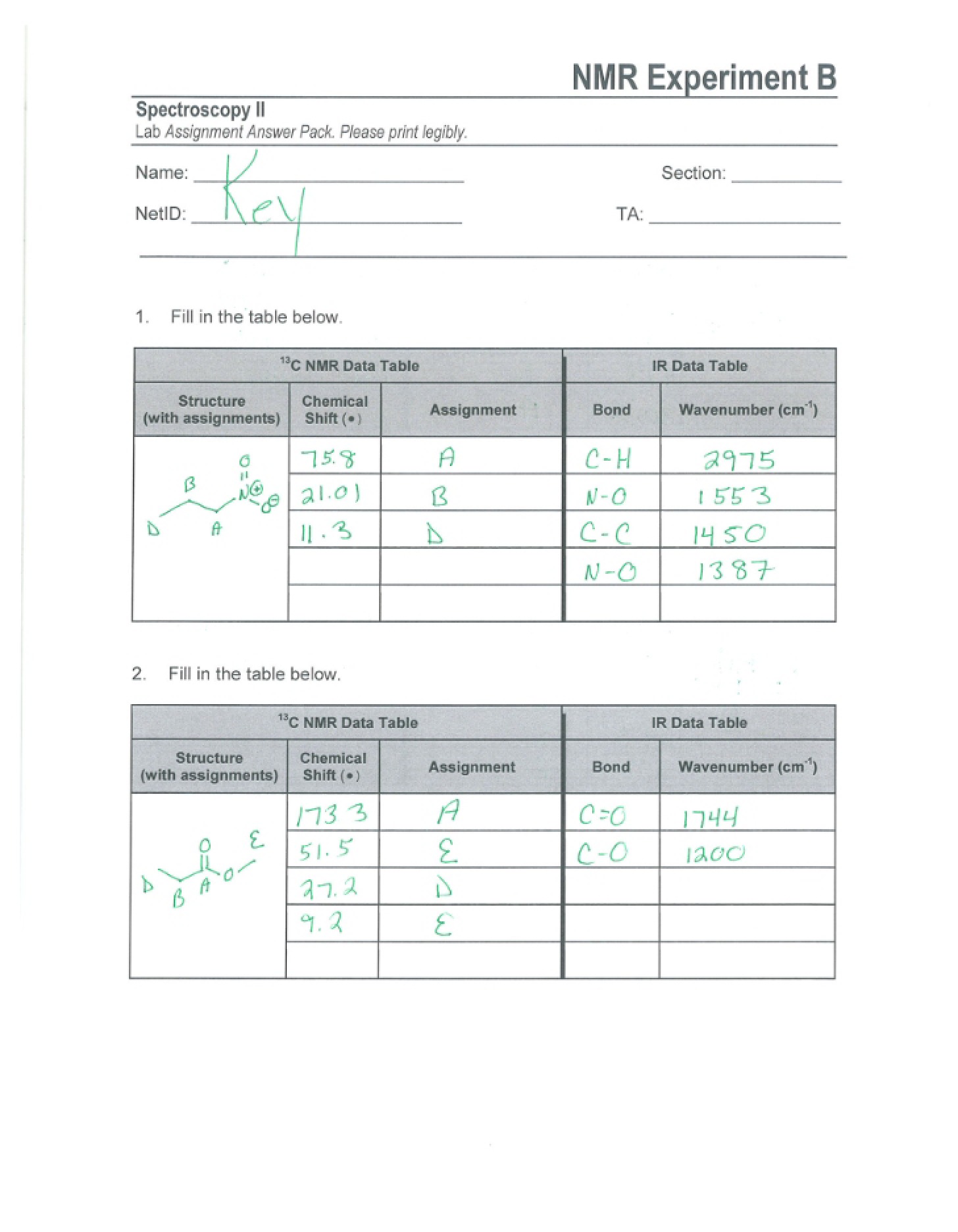
* Infrared (IR) Spectroscopy Principles
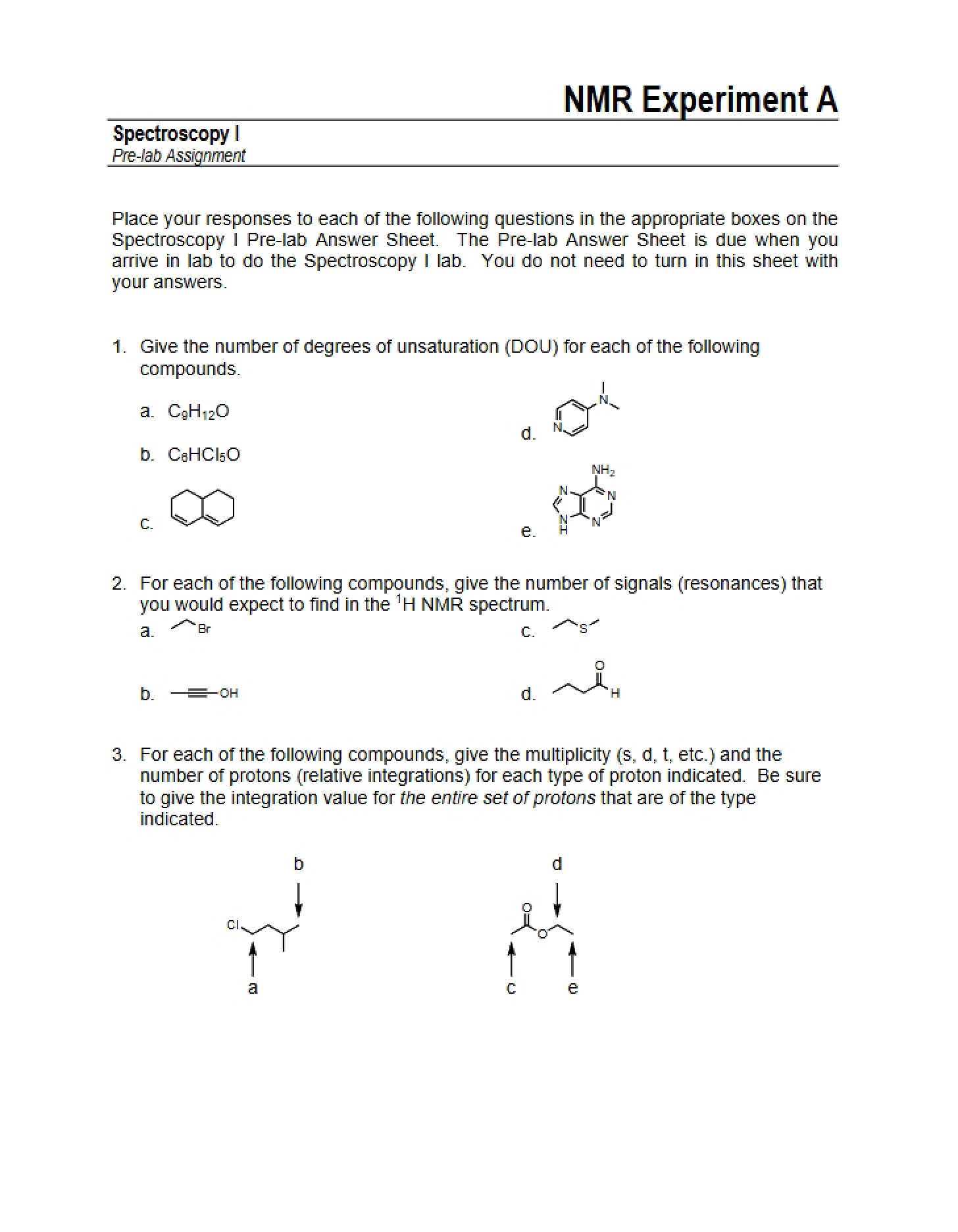
* Nuclear Magnetic Resonance (NMR) Spectroscopy Principles
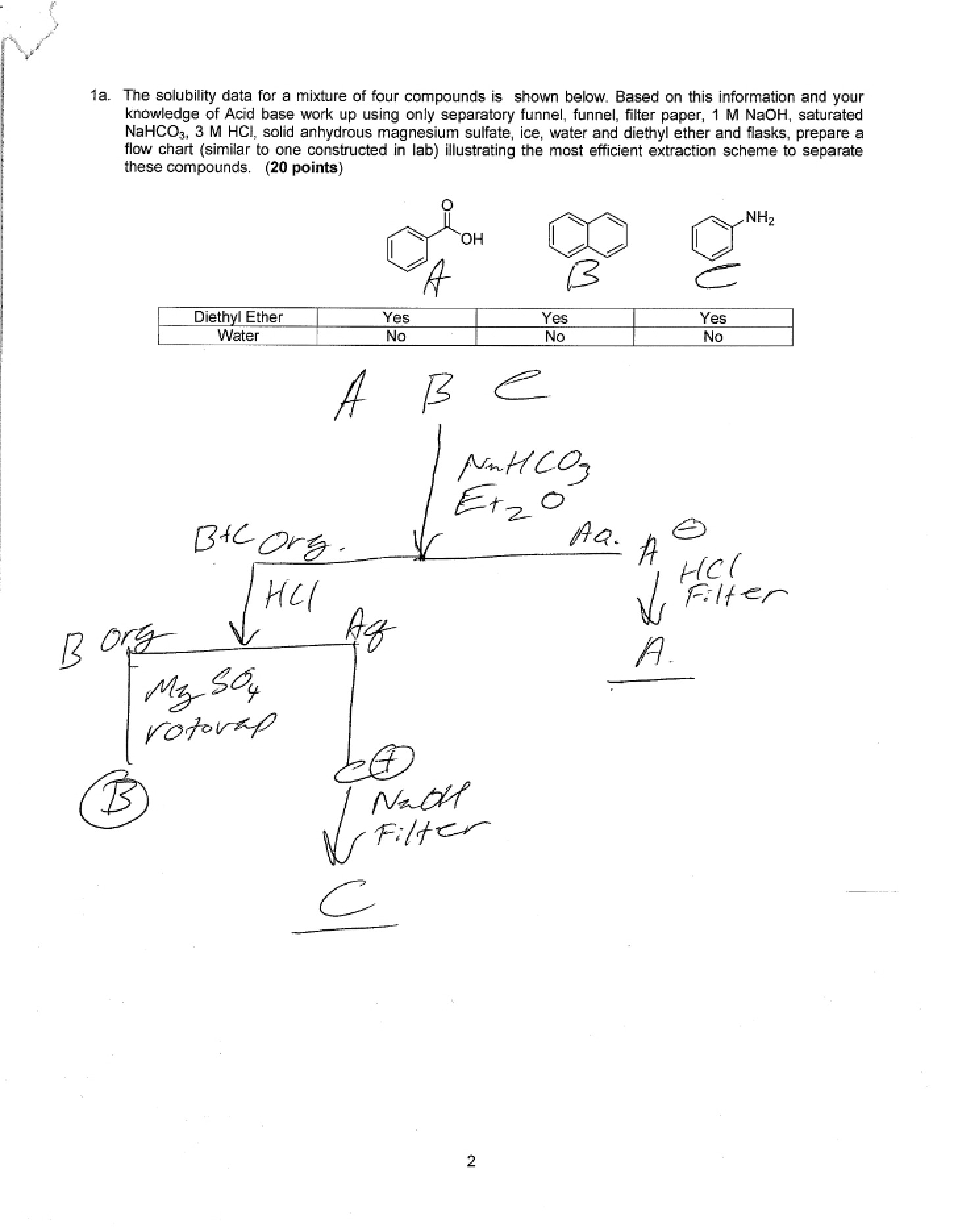
* Acid-Catalyzed Reactions
* Unexpected Reaction Outcomes & Analysis
What This Document Provides
* A detailed experimental scenario involving an unexpected reaction result.
* A list of relevant laboratory operations (mixing, washing, distillation, spectroscopy, etc.) to be utilized during the experiment.
* Contextual background information relating to historical discoveries in chemistry and the importance of unexpected results.
* Guidance on applying scientific methodology to develop and test hypotheses.
* Preparation for interpreting spectroscopic data (IR and NMR) to elucidate molecular structures.
* A framework for understanding the connection between theoretical concepts and practical laboratory work.