What This Document Is
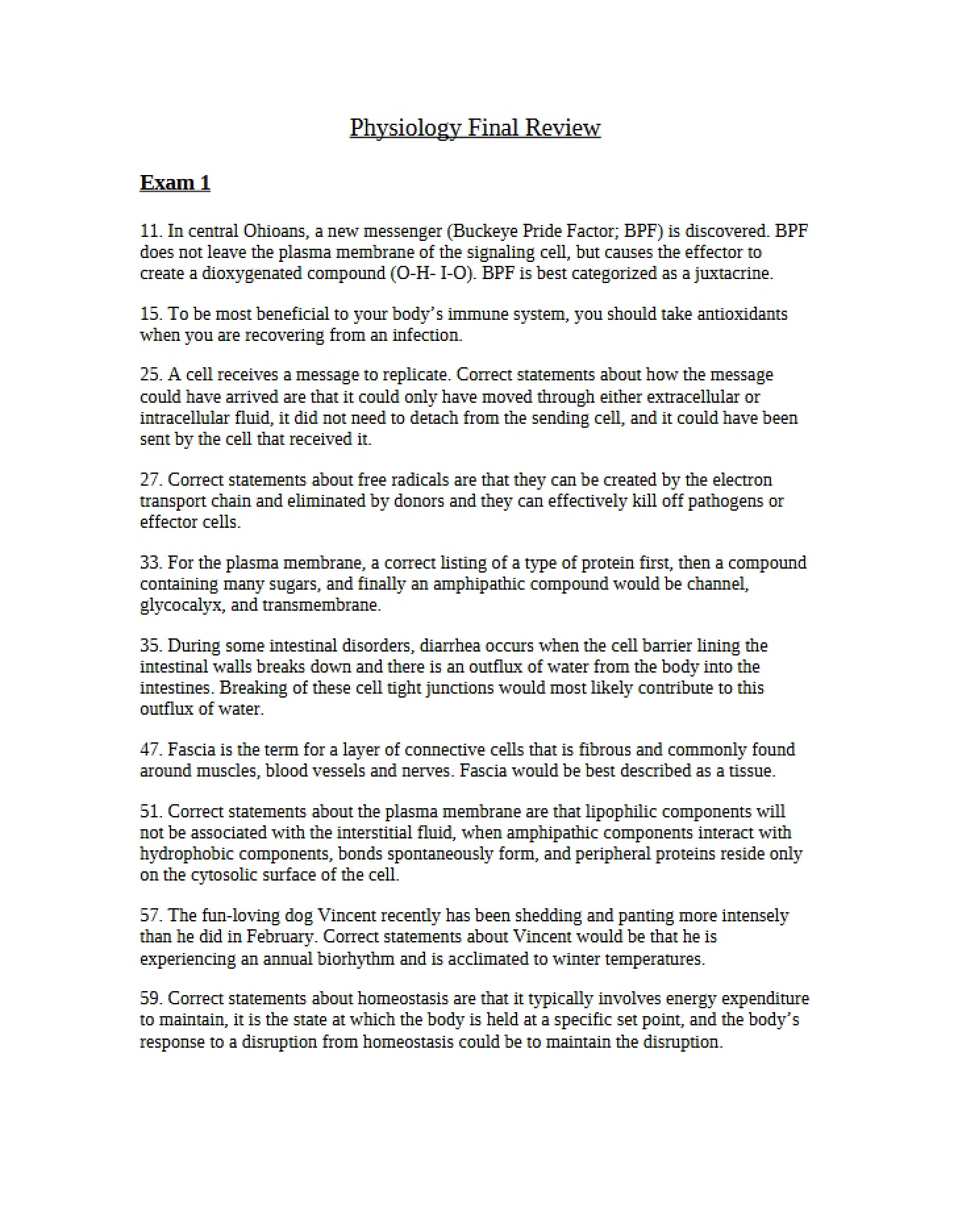
This resource is a set of lecture notes detailing the foundational organization of the human body, specifically designed for students in an upper-level physiology course. It explores the hierarchical levels of organization, starting from the molecular level and building towards a comprehensive understanding of how these components interact to maintain life. The material focuses on the chemical and physical principles underpinning physiological processes.
Why This Document Matters
This material is essential for any student seeking a strong grasp of human physiology. It’s particularly helpful for those who benefit from a detailed, lecture-based approach to learning. Reviewing these notes will be valuable when preparing for exams, completing assignments, or simply seeking to solidify your understanding of core physiological concepts. It serves as a strong base for more complex topics covered later in the course.
Topics Covered
* Fluid Compartments and their interactions
* Subcellular components and their characteristics
* The role of ions and free radicals in biological systems
* Types of molecular bonds and their relative strengths
* Polarity and solubility of molecules in biological systems
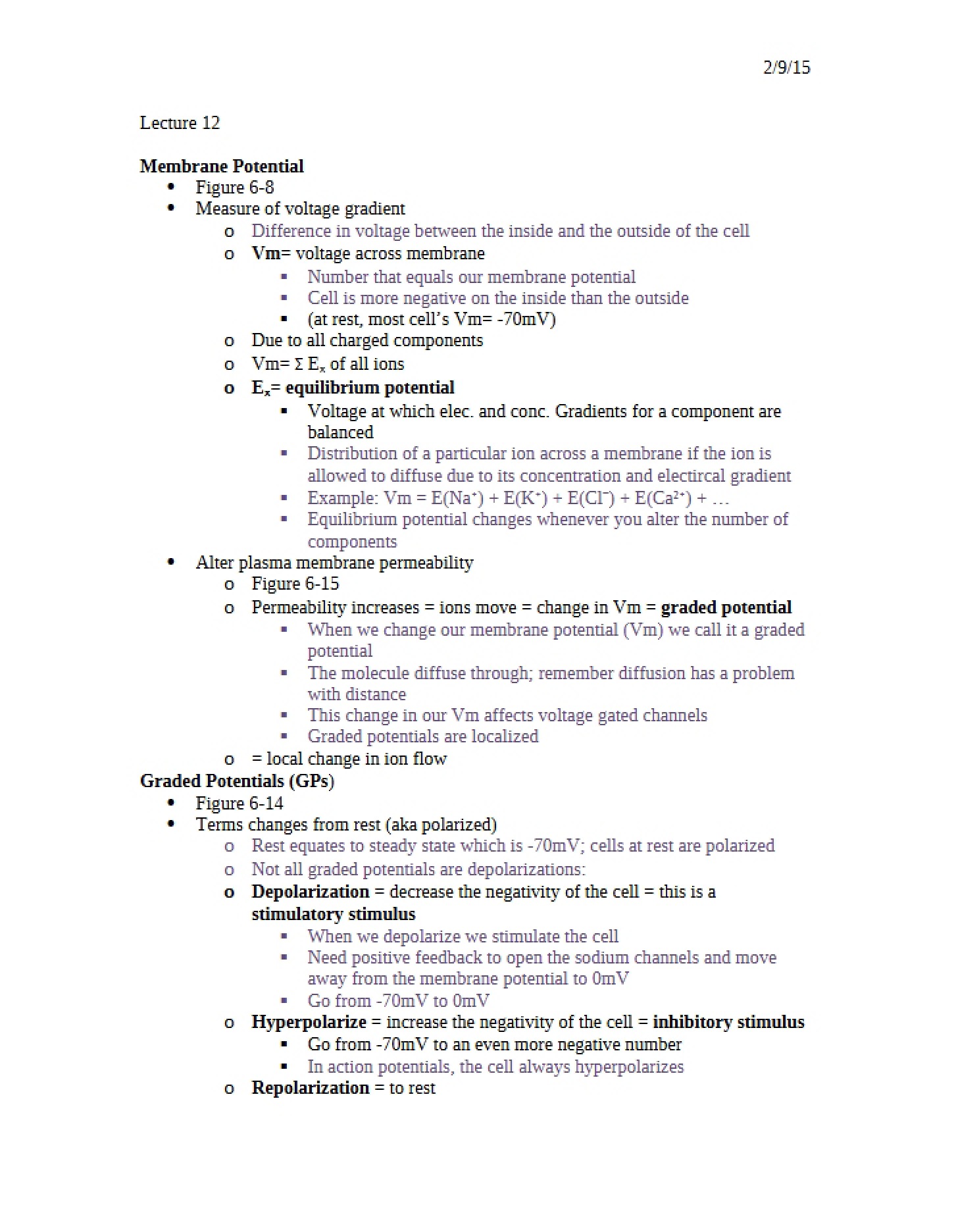
* The structure and function of the plasma membrane
* Components of the plasma membrane and their roles
* Membrane transport mechanisms
What This Document Provides
* Detailed explanations of key terminology related to body organization.
* Illustrative references to figures (though the figures themselves are not included here).
* A breakdown of the chemical properties influencing biological interactions.
* An overview of the components and functions of the plasma membrane.
* A foundational understanding of how molecular interactions contribute to overall physiological function.