What This Document Is
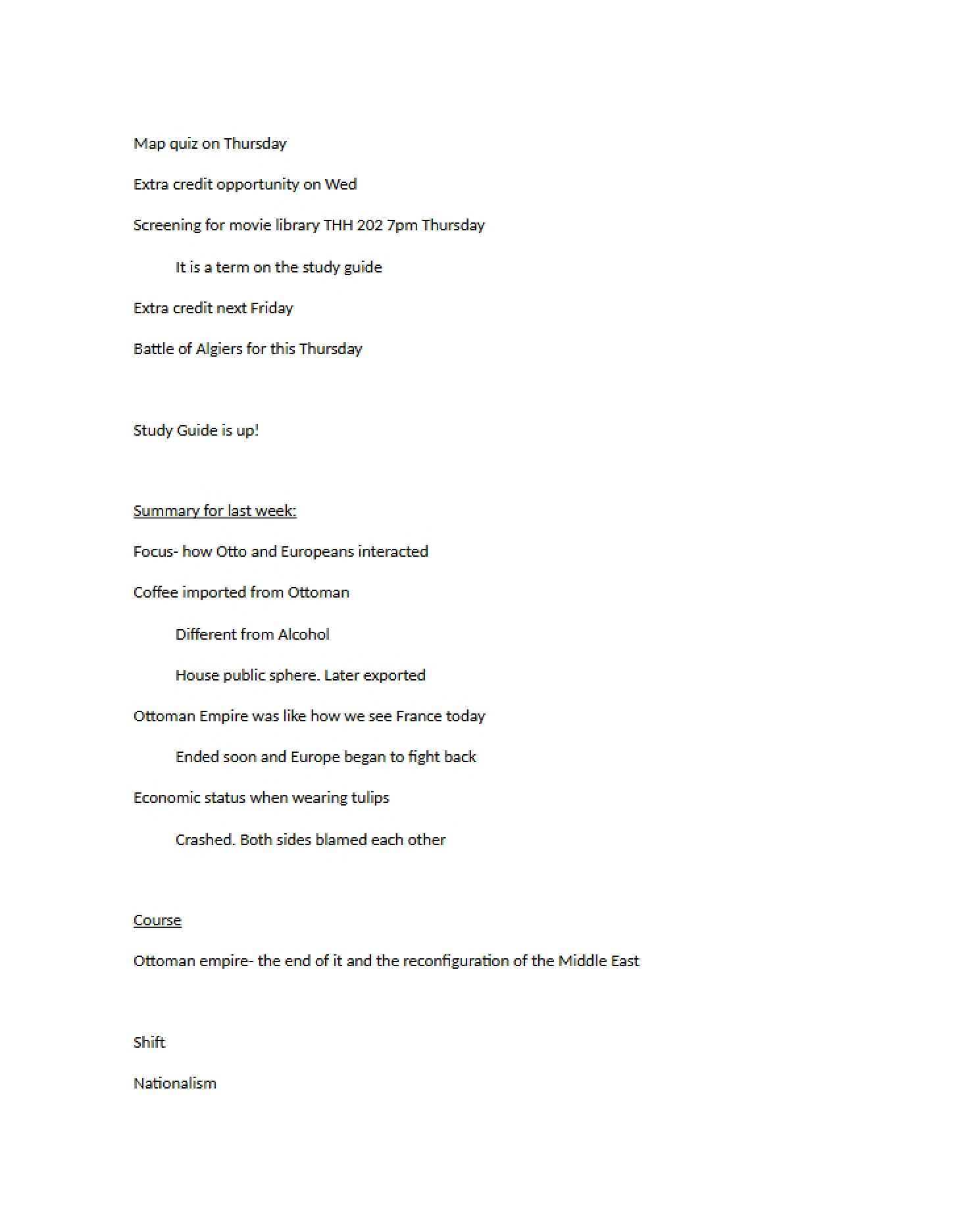
This study guide offers a broad overview of the Ottoman Empire, specifically focusing on its religious history within the broader context of the Mediterranean world. It delves into the empire’s expansion, its internal religious dynamics, and its interactions with diverse religious communities. The material explores the cultural and societal impacts of Ottoman rule, moving beyond purely political or military history to examine daily life and belief systems. It also touches upon unique historical sources used to understand the period.
Why This Document Matters
Students enrolled in REL 114 – The Mediterranean: A Religious History – will find this resource particularly valuable when studying the rise and influence of Islam in the Mediterranean region. It’s ideal for preparing for lectures, supplementing course readings, and building a foundational understanding of a complex historical period. This guide is especially helpful for those seeking to understand the interplay between religious identity, political power, and social structures within the Ottoman context. It can be used throughout the semester as a reference point for key themes and concepts.
Common Limitations or Challenges
This overview is designed to provide a starting point for deeper exploration. It does *not* offer exhaustive coverage of every aspect of Ottoman history, nor does it present a definitive interpretation of events. It focuses specifically on religious dimensions and does not delve into detailed political or economic analyses. Furthermore, it’s important to remember that historical interpretations are always evolving, and this guide represents one perspective on a multifaceted subject. It is not a substitute for required course readings or lecture attendance.
What This Document Provides
* An examination of the Ottoman Empire’s period of expansion and its impact on surrounding regions.
* Insights into the religious composition of the empire, including the roles of Muslims, Christians, and Jews.
* Exploration of the experiences of different religious groups within the Ottoman system.
* Discussion of key figures and primary source materials relevant to understanding Ottoman religious life.
* Consideration of social and cultural aspects of the empire, including artistic expression and everyday practices.