What This Document Is
This is a focused exploration of oxidative phosphorylation and photophosphorylation, core processes in biochemistry. It delves into the mechanisms cells use to generate energy, building upon foundational knowledge of metabolic pathways. The material is sourced from leading biochemistry textbooks and presents a detailed overview of these vital energy conversion systems. It’s designed to enhance understanding of how living organisms harness energy from nutrients and light.
Why This Document Matters
This resource is ideal for students enrolled in an introductory biochemistry course, particularly those seeking a deeper understanding of cellular respiration and photosynthesis. It’s most beneficial when studying the connection between metabolic pathways, enzyme function, and energy production. Students preparing for exams or working through complex assignments on bioenergetics will find this a valuable study aid. It’s also helpful for anyone needing a refresher on these fundamental biological processes.
Topics Covered
* Mitochondrial structure and its role in oxidative phosphorylation
* The electron transport chain and its protein complexes
* The role of electron carriers (NADH, FAD, etc.) in energy transfer
* Proton gradient formation and its significance
* Key components involved in electron transfer and ATP synthesis
* Redox reactions and their importance in biochemical processes
* Comparison of oxidative and photophosphorylation concepts
What This Document Provides
* Detailed diagrams illustrating mitochondrial structure and the location of key processes.
* Overviews of the enzyme complexes involved in the electron transport chain, including their prosthetic groups.
* Information on the flow of electrons and the generation of a proton gradient.
* A framework for understanding the relationship between electron transfer and ATP production.
* Visual representations of energy levels during electron transfer.
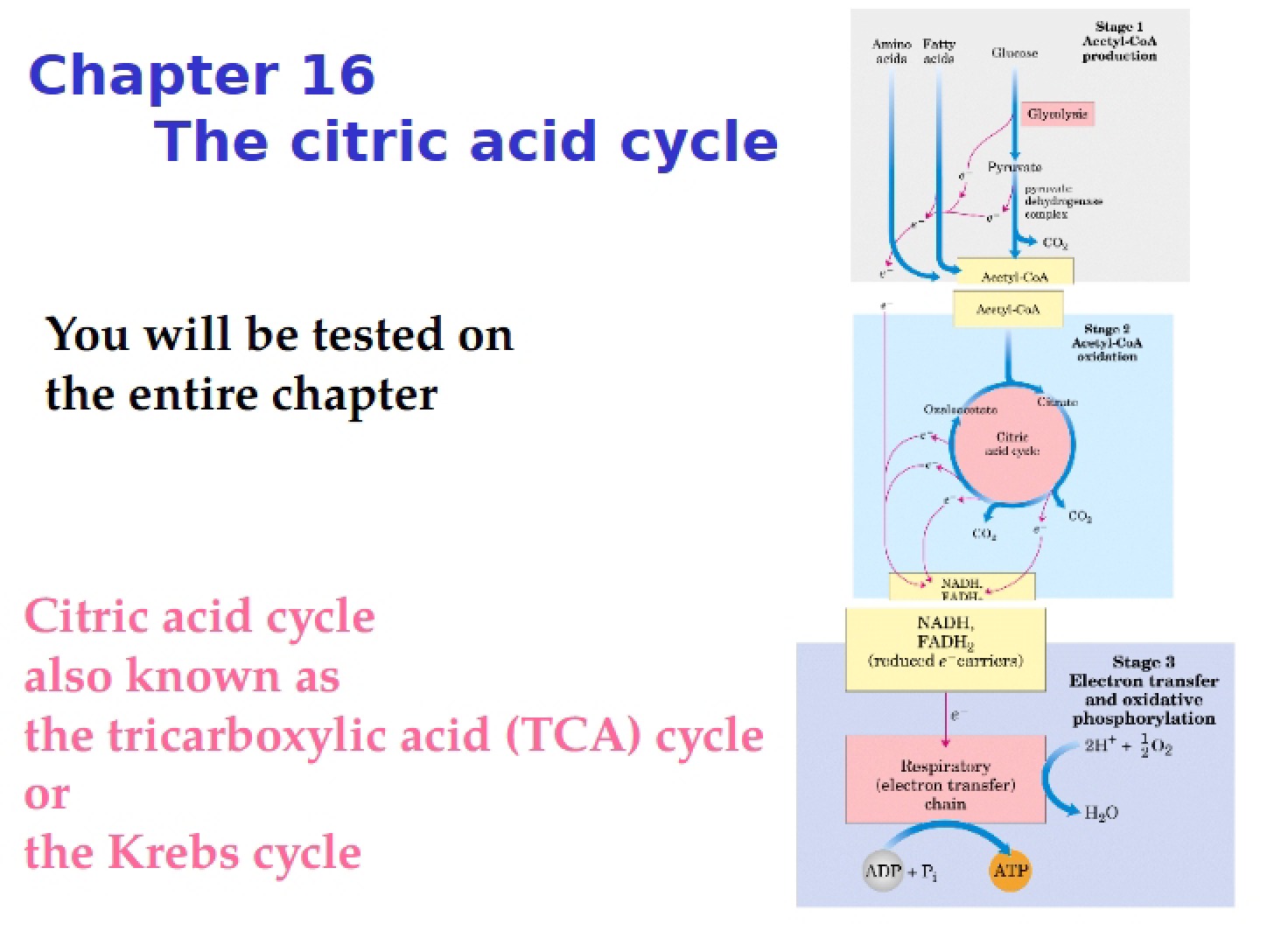
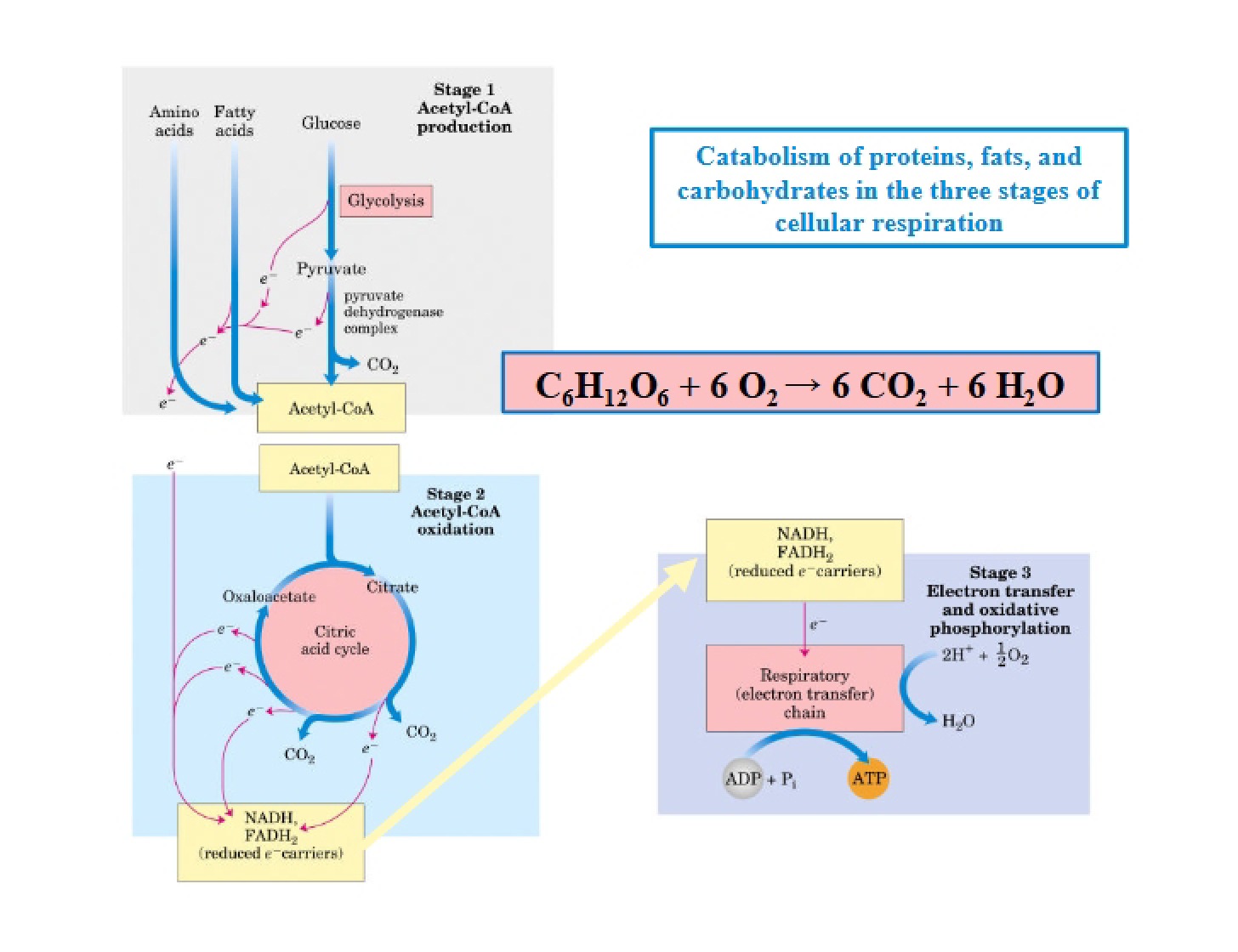
* Connections to related biochemical pathways like the TCA cycle and glycolysis.