What This Document Is
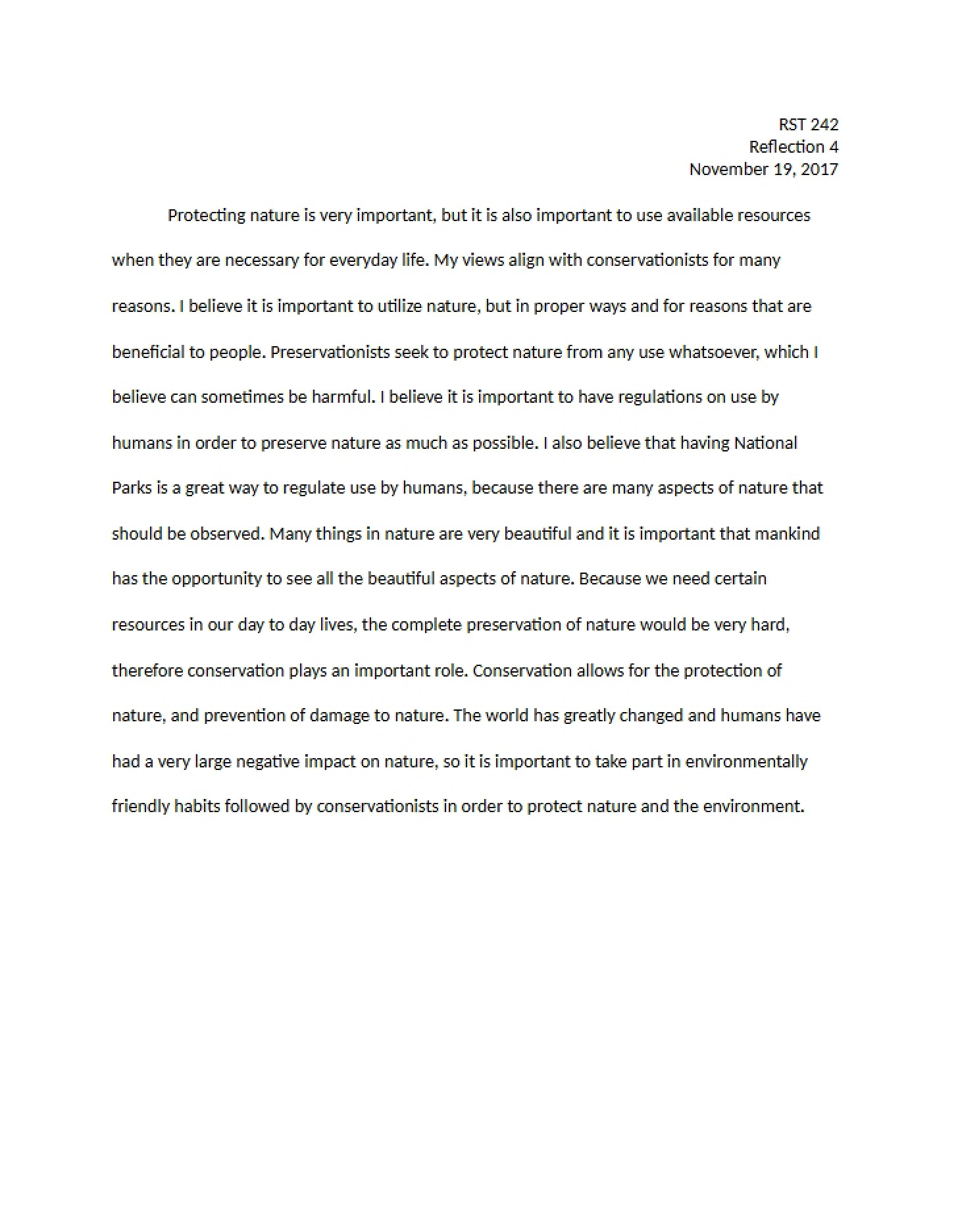
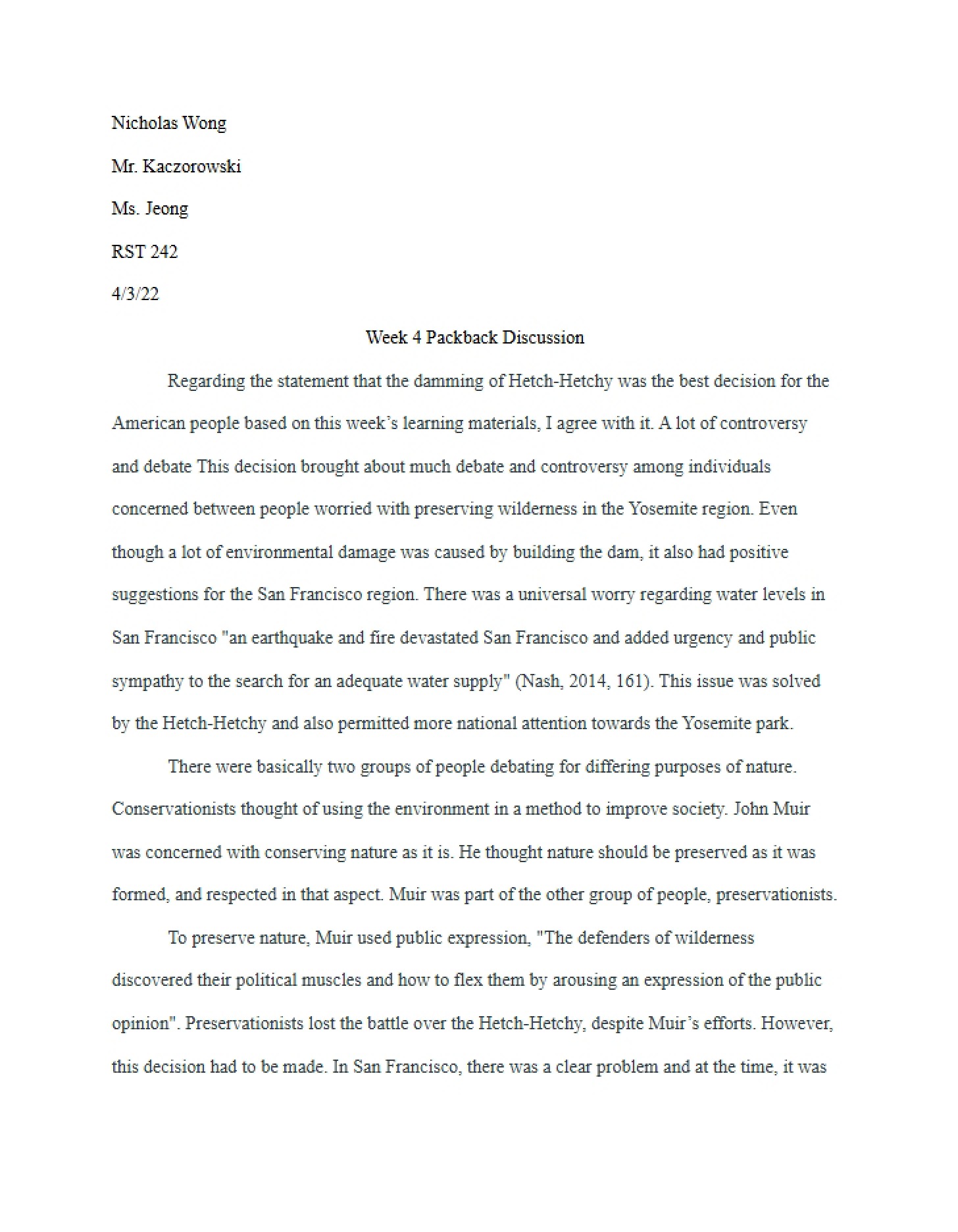
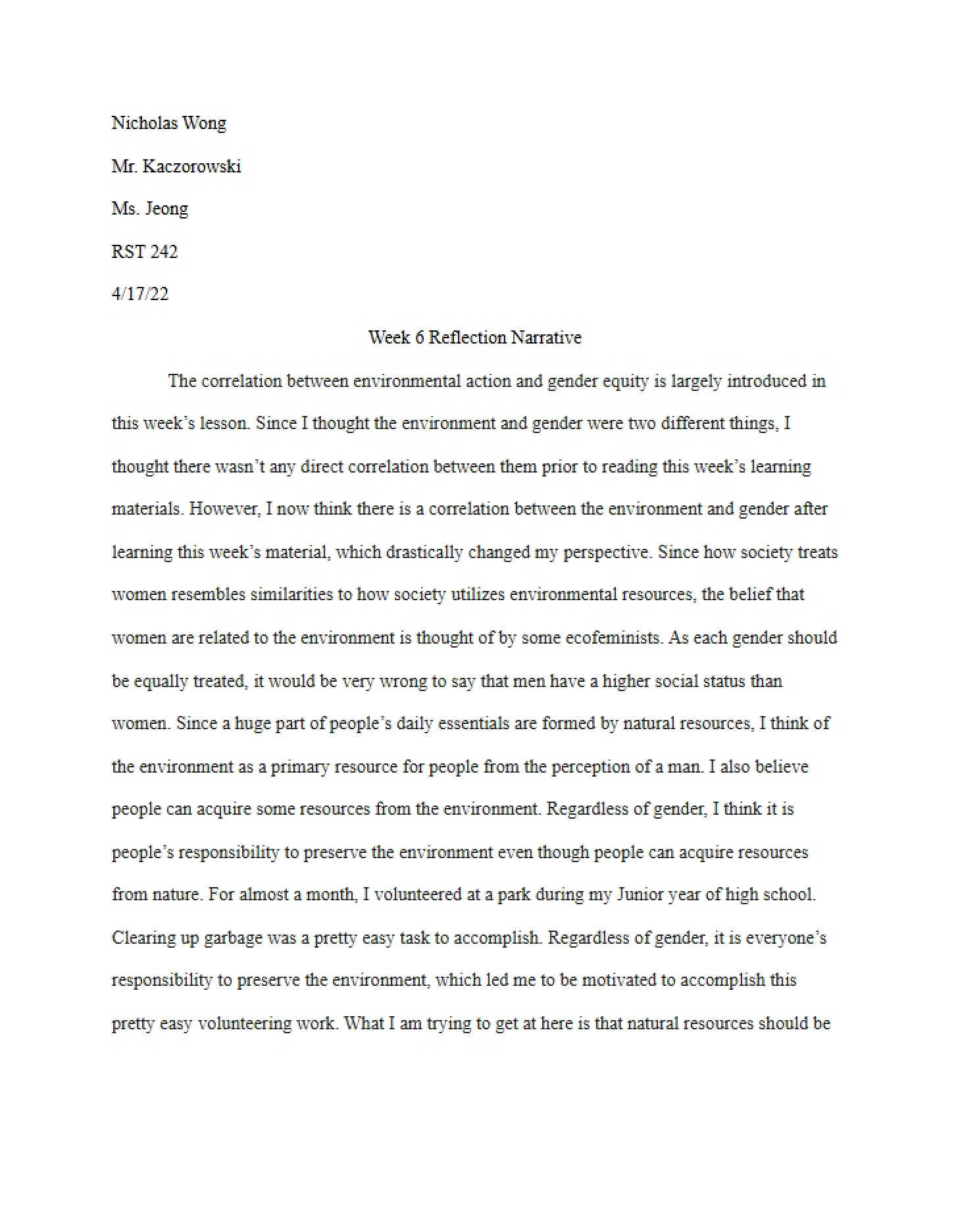
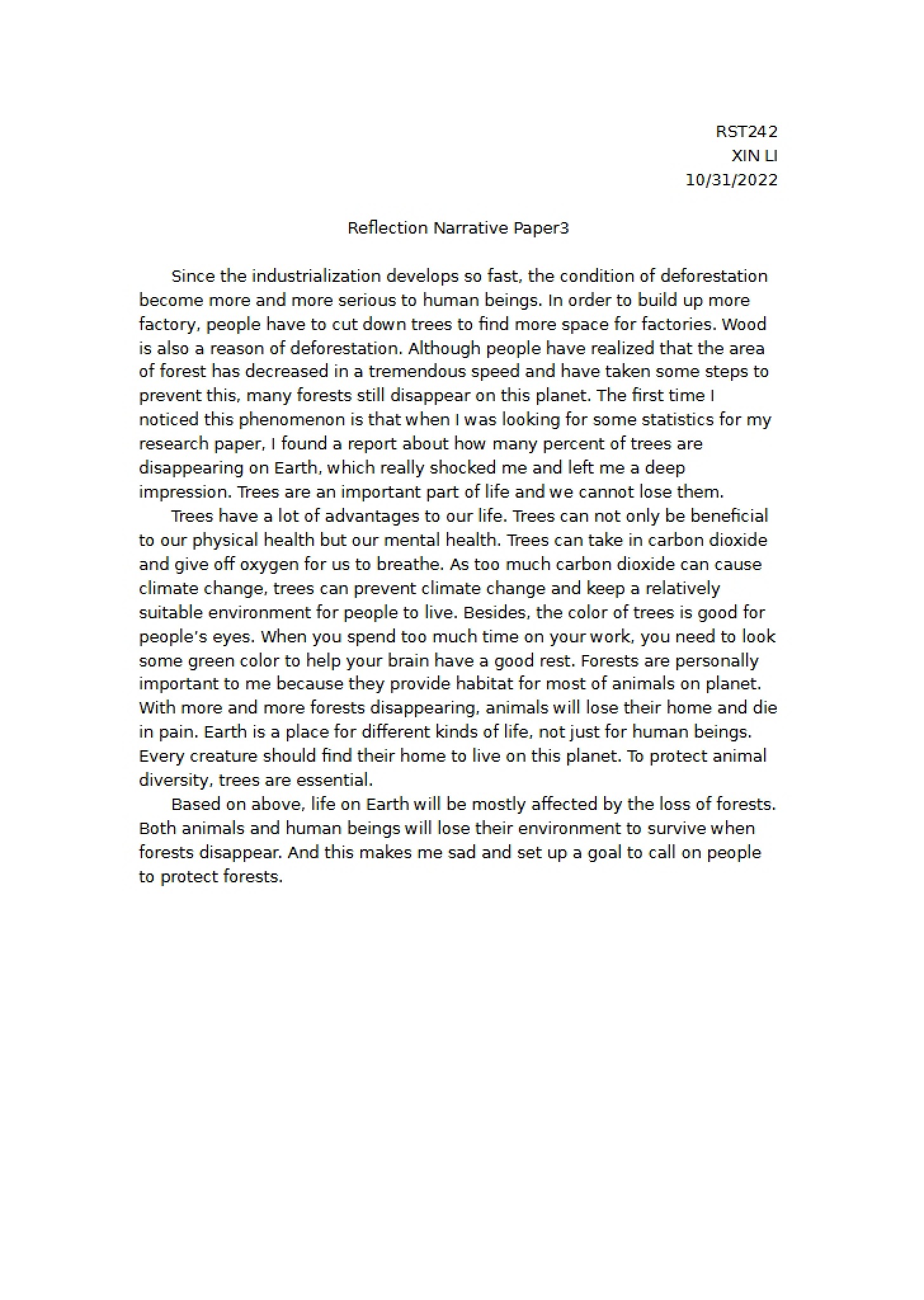
This is a student-authored narrative reflection paper completed for RST 242: Nature and American Culture at the University of Illinois at Urbana-Champaign. It represents a personal engagement with course themes, specifically focusing on differing philosophical approaches to environmental issues as illustrated by historical case studies. The paper demonstrates critical thinking about complex relationships between human society and the natural world, and requires students to articulate a reasoned position on a debated topic. It’s a piece of assessed coursework, showcasing individual interpretation and application of course concepts.
Why This Document Matters
This type of assignment is valuable for students in environmental studies, American history, or cultural studies who are seeking examples of how to synthesize course material into a cohesive argument. It’s particularly helpful for understanding how to formulate a personal stance on environmental ethics and to support that stance with logical reasoning. Students preparing similar reflective essays or papers will find it useful to see how one peer approached the task of articulating their viewpoint. It can be reviewed when grappling with the challenges of balancing preservation and utilization of natural resources.
Common Limitations or Challenges
Please note that this paper represents *one* student’s interpretation and argument. It does not offer a definitive answer or a comprehensive overview of all perspectives on the topics discussed. It is not a substitute for engaging with the primary course materials or conducting independent research. The specific arguments and supporting details within the paper are not revealed here – access to the full document is required for that level of detail. This preview is designed to give you a sense of the assignment’s scope and approach, not to provide its content.
What This Document Provides
* A student’s reflective response to course material concerning environmental philosophies.
* An example of how to position oneself within a historical debate regarding resource management.
* Demonstration of applying abstract concepts to real-world scenarios.
* Insight into the structure and style of a university-level narrative reflection paper.
* A clear indication of the course’s focus on the intersection of nature, culture, and ethical considerations.