What This Document Is
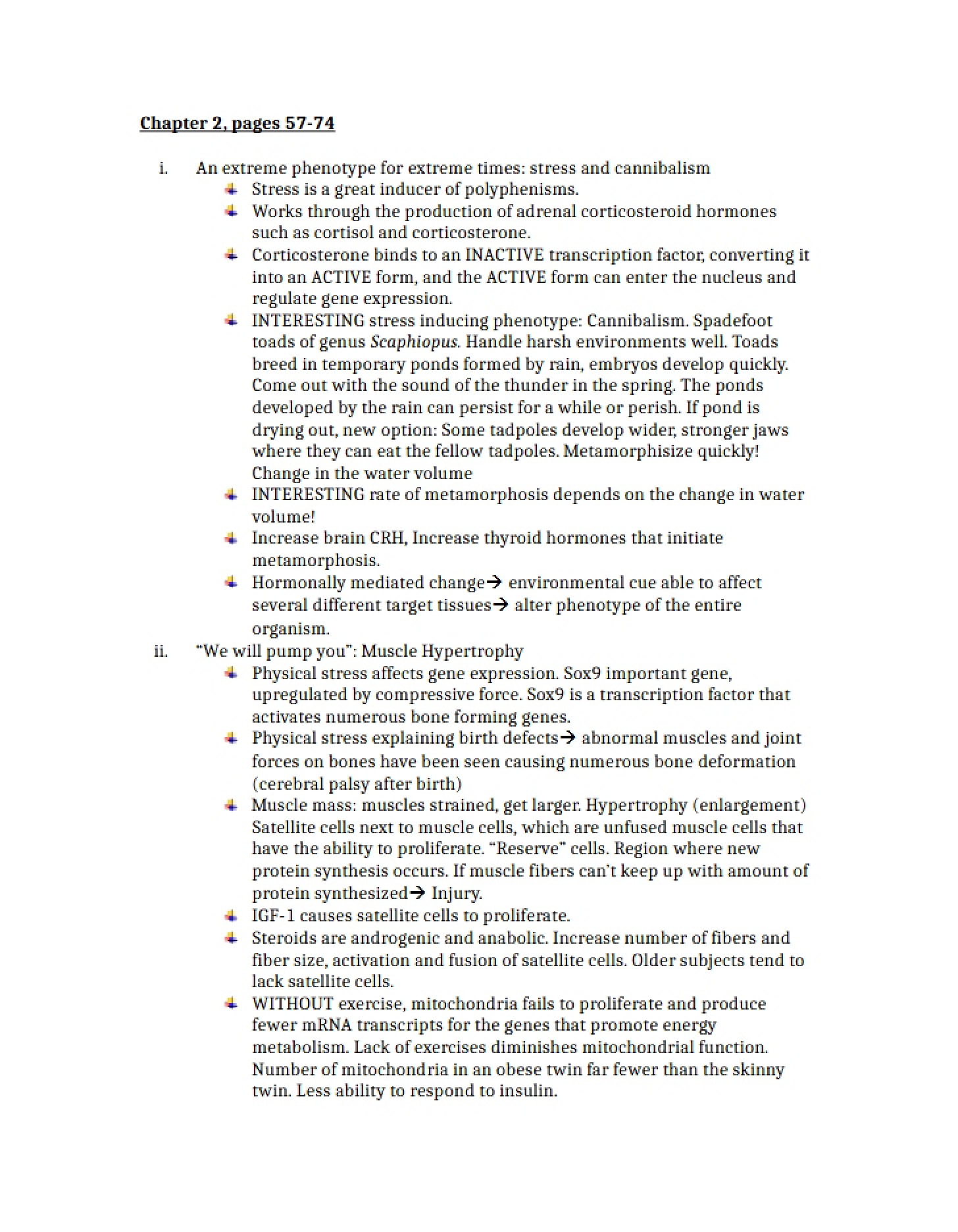
This is Part 1 of Chapter 2 from the Environmental Biology (BISC 321) course materials at the University of Delaware. It’s a focused exploration of the intricate relationship between environmental factors and the expression of genetic information within living organisms. This section delves into the mechanisms by which external influences can impact an organism’s phenotype – its observable characteristics – without altering the underlying DNA sequence itself. It’s a foundational piece for understanding how organisms adapt and respond to their surroundings.
Why This Document Matters
This study guide is ideal for students in BISC 321 seeking a deeper understanding of the molecular basis of environmental biology. It’s particularly helpful when studying for quizzes and exams related to gene regulation, developmental biology, and the impact of environmental stressors. Use this resource to supplement your lecture notes and textbook readings, solidifying your grasp of complex concepts before moving on to more advanced topics. It’s designed to help you build a strong conceptual framework for the course.
Topics Covered
* Mechanisms of environmental influence on gene expression
* Epigenetic modifications and their role in phenotypic variation
* The interplay between gene expression and development
* The neuroendocrine system as a pathway for environmental signaling
* Environmental factors affecting sex determination
* The impact of endocrine-disrupting chemicals on biological processes
What This Document Provides
* An overview of key regulatory processes involved in gene transcription.
* Explanations of how modifications to DNA structure can influence gene activity.
* Discussion of the role of environmental signals in mediating gene expression.
* Exploration of the connection between maternal care and epigenetic changes.
* Introduction to the concept of environmental sex determination and its implications.
* Review questions designed to test comprehension of core concepts.