What This Document Is
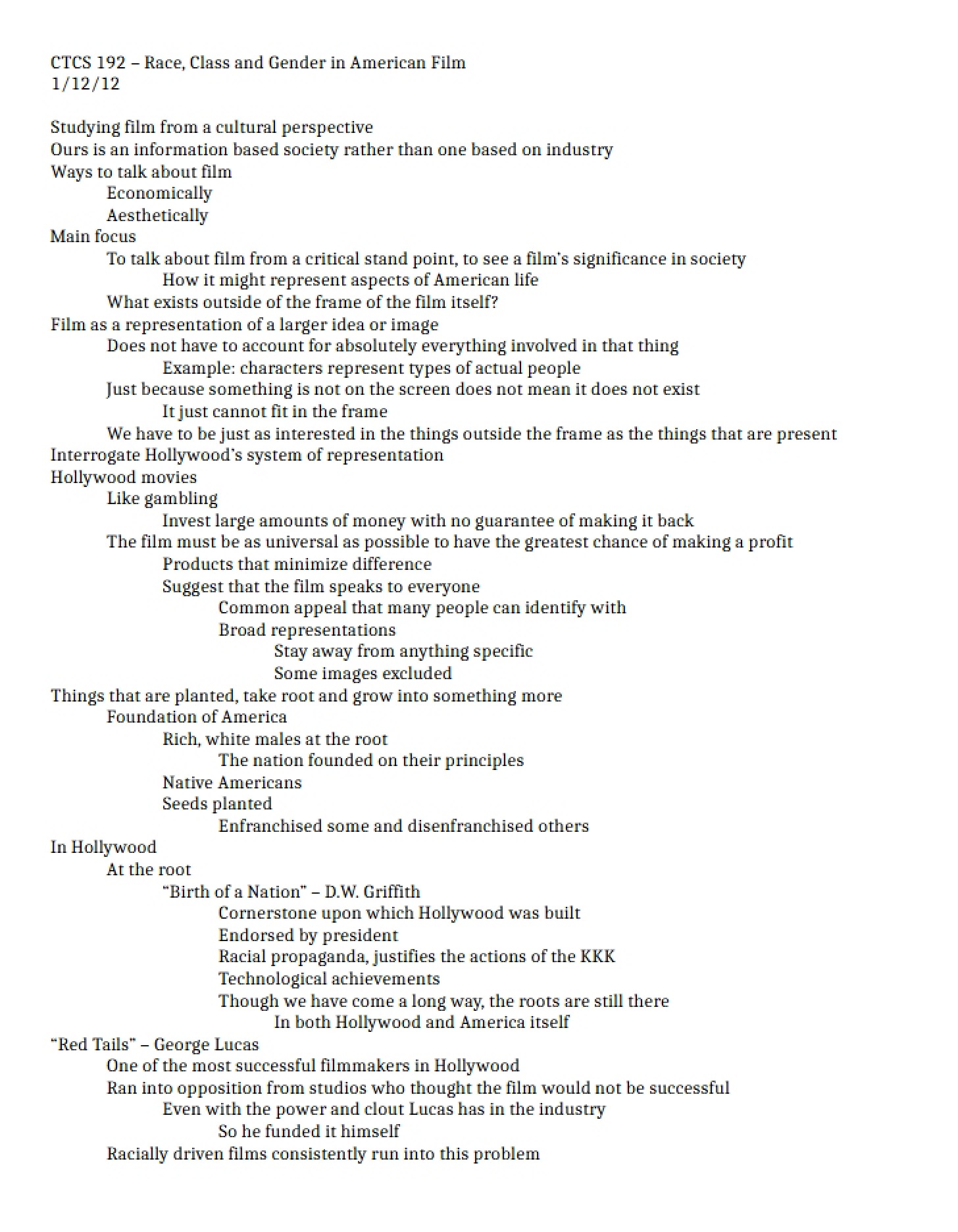
This is a detailed study guide focusing on *The Godfather* Parts I and II, as presented within the context of the University of Southern California’s Race, Class, and Gender in American Film (CTCS 192m) course. It’s a critical exploration of these iconic films, moving beyond simple plot summary to analyze their deeper thematic and cultural significance. The guide delves into the complex interplay of identity, power, and the American Dream as portrayed through the Corleone family saga.
Why This Document Matters
Students enrolled in CTCS 192m – or anyone seeking a richer understanding of *The Godfather*’s place in American cinema – will find this guide invaluable. It’s particularly useful when preparing for class discussions, crafting analytical essays, or studying for exams. This resource is designed to help you move beyond surface-level observations and engage with the films on a more sophisticated, academic level, connecting them to broader societal issues. It’s best utilized *after* viewing both films, as it assumes familiarity with the narrative.
Common Limitations or Challenges
This study guide does not offer a substitute for actually watching *The Godfather* Parts I and II. It will not provide a plot synopsis or character biographies. Instead, it assumes you’ve experienced the films and are looking for deeper analytical insights. It also doesn’t present definitive interpretations; rather, it aims to stimulate your own critical thinking and encourage you to formulate your own informed opinions. It won’t provide direct answers to assignment questions.
What This Document Provides
* An examination of the contrasting approaches to power and legacy between Vito and Michael Corleone.
* Analysis of the symbolic use of visual elements – such as light and darkness – within the films.
* Exploration of the themes of assimilation and the immigrant experience in post-war America.
* Discussion of the evolving nature of corruption and its connection to different levels of American society.
* Consideration of the films’ portrayal of family dynamics and the sacrifices made in pursuit of ambition.
* Insights into the historical context surrounding the production of *The Godfather Part II* as a rare sequel.