What This Document Is
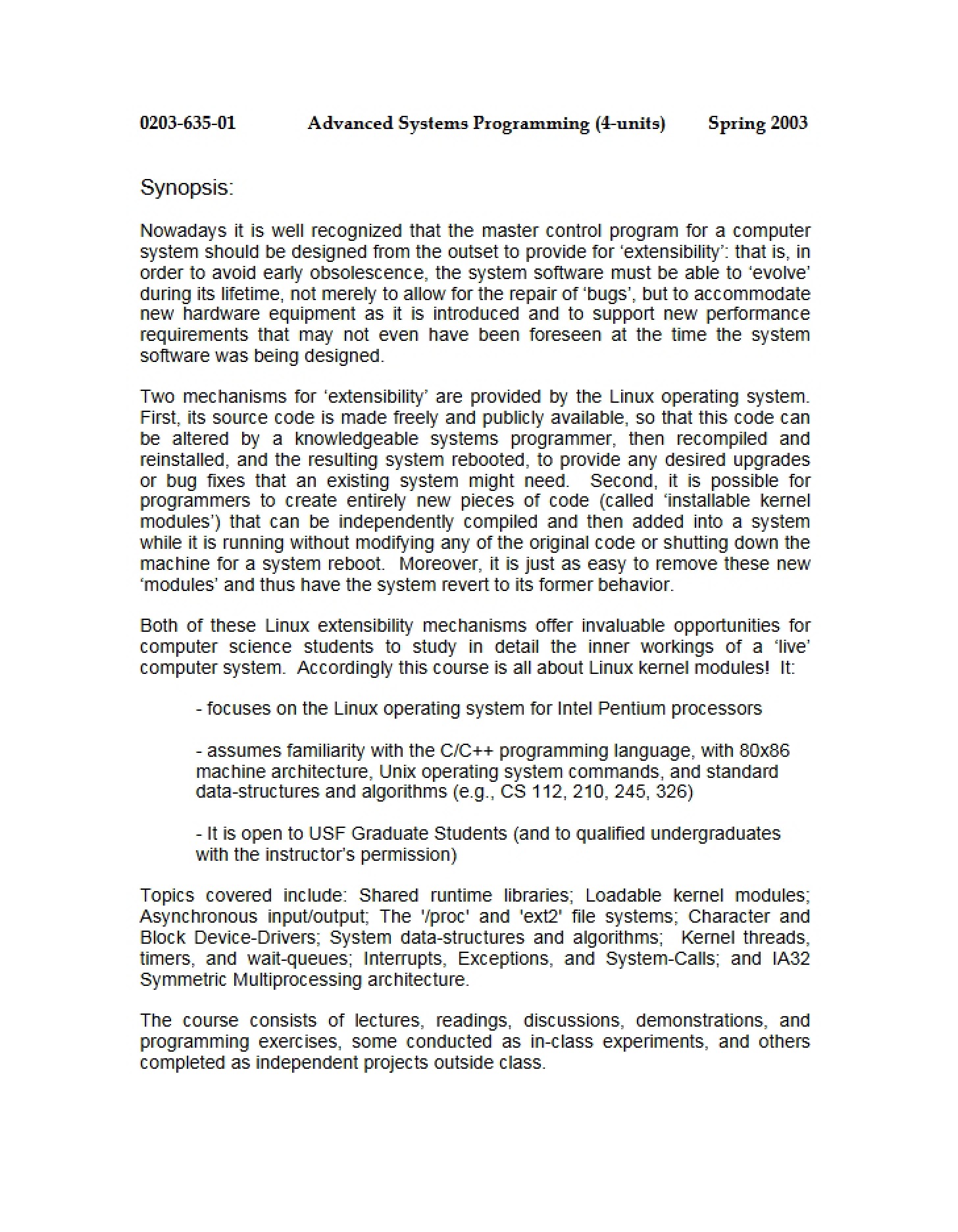
This is a detailed exploration of advanced systems programming techniques, specifically focusing on the modification of kernel functionality in Linux operating systems. It delves into the core mechanisms by which applications interact with the kernel – system calls – and investigates methods for extending these capabilities without the traditional process of recompiling the entire kernel. The material is geared towards students with a solid understanding of operating system principles and a working knowledge of C programming and assembly language.
Why This Document Matters
This resource is invaluable for advanced computer science students, particularly those enrolled in systems programming or operating systems courses. It’s also beneficial for software engineers and developers working on projects that require low-level system access or kernel-level modifications. Understanding dynamic kernel patching is crucial for anyone seeking to optimize system performance, add custom functionality, or enhance security features within a Linux environment. This material will be particularly useful when tackling projects involving kernel modules or system-level instrumentation.
Common Limitations or Challenges
This material assumes a pre-existing foundation in operating system concepts, Linux architecture, and programming in C and assembly. It does *not* provide a beginner’s introduction to these topics. Furthermore, while it examines the theoretical underpinnings of dynamic kernel patching, it does not offer a comprehensive guide to debugging or troubleshooting kernel modules. Practical implementation requires careful attention to detail and a thorough understanding of potential risks associated with kernel-level modifications.
What This Document Provides
* An overview of system calls and their role in OS functionality.
* A discussion of the advantages and disadvantages of modifying the kernel directly versus using kernel modules.
* An examination of the system call dispatch mechanism, including the ‘sys_call_table’.
* Exploration of techniques for locating and manipulating the system call table.
* Considerations for selecting appropriate system call entries for modification.
* Methods for identifying relevant kernel information using standard command-line tools.