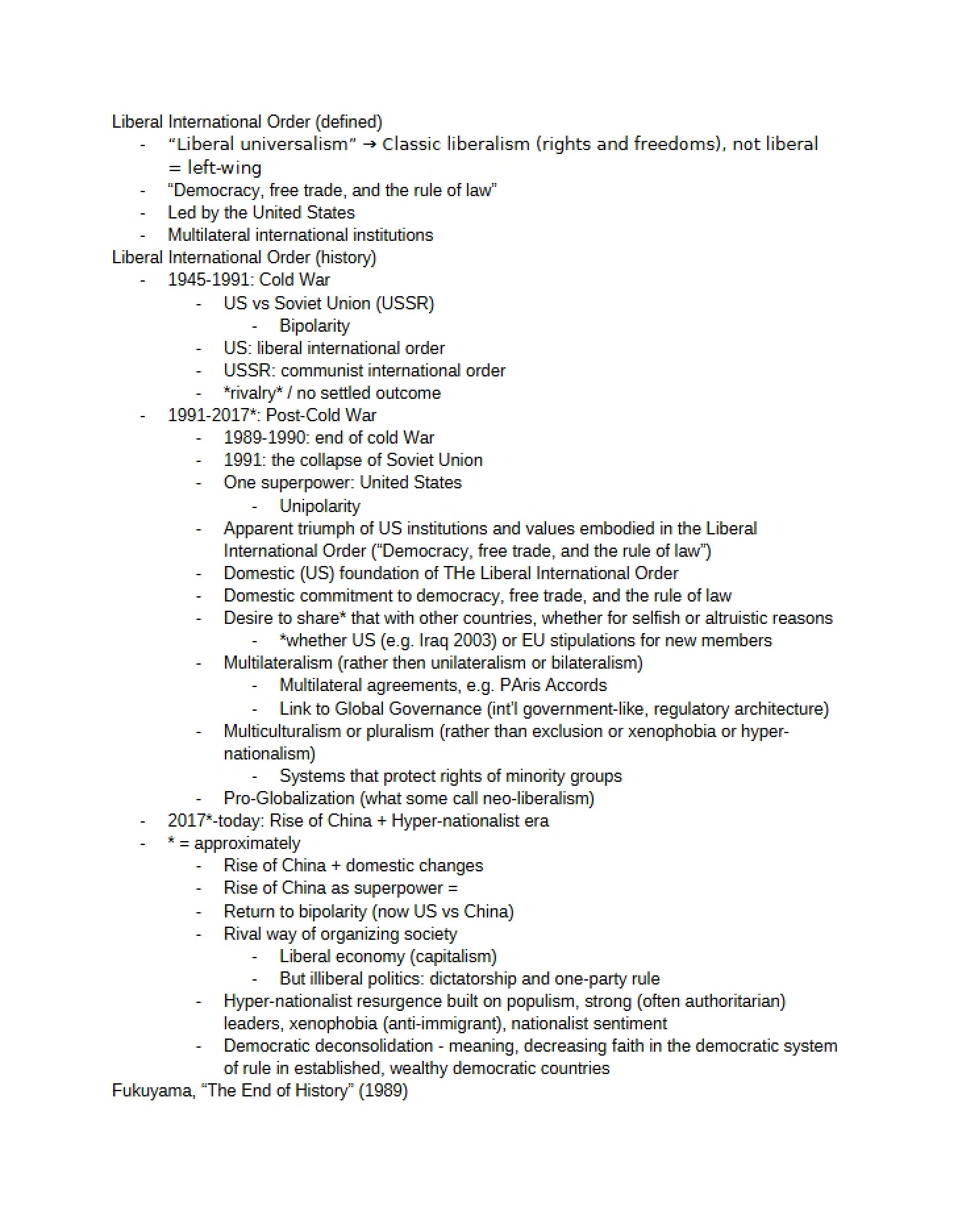
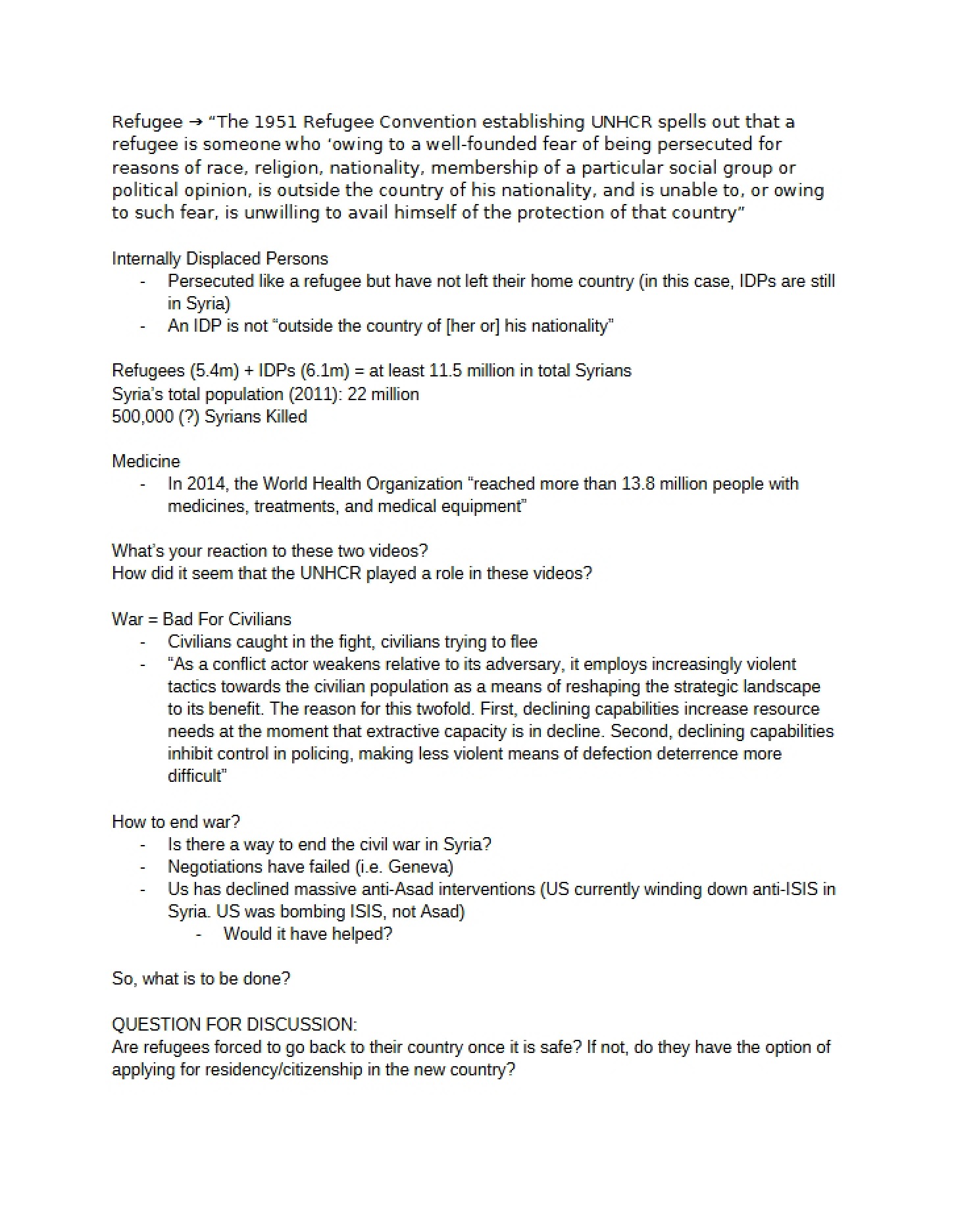
What This Document Is
This study guide delves into the theoretical underpinnings of peace, examining the perspectives of key thinkers within the field of International Relations. Specifically, it focuses on the ideas of prominent “peace theorists” and their approaches to understanding the causes of conflict and pathways to sustainable peace. It’s designed to complement course materials for an introductory International Relations course, offering a deeper exploration of non-traditional perspectives on war and peace.
Why This Document Matters
Students enrolled in POLS 1402 at the University of Connecticut – or anyone seeking a nuanced understanding of peace studies – will find this guide particularly valuable. It’s ideal for use when preparing for class discussions, formulating research papers, or reviewing material before assessments. This resource is especially helpful for those interested in moving beyond conventional, state-centric views of international conflict and exploring the role of social, cultural, and individual factors in shaping peaceful outcomes.
Topics Covered
* The relationship between societal change and peacebuilding efforts.
* The influence of non-political factors – such as gender and education – on international relations.
* The importance of consciousness-raising and shifting perspectives in achieving political transformation.
* The role of ideas versus material conditions in driving social and political change.
* The complex and often contradictory role of external actors (like colonial powers and global economies) in fostering or hindering peace.
* Alternative theoretical frameworks for understanding harmony in international relations.
What This Document Provides
* An examination of the core tenets of several influential peace theorists.
* Insights into how these theorists conceptualize the pathways to peace.
* A framework for analyzing the interplay between individual beliefs, social structures, and international systems.
* Considerations regarding the challenges and opportunities presented by external influences on peace processes.
* A comparative perspective on different approaches to understanding and achieving lasting peace.