What This Document Is
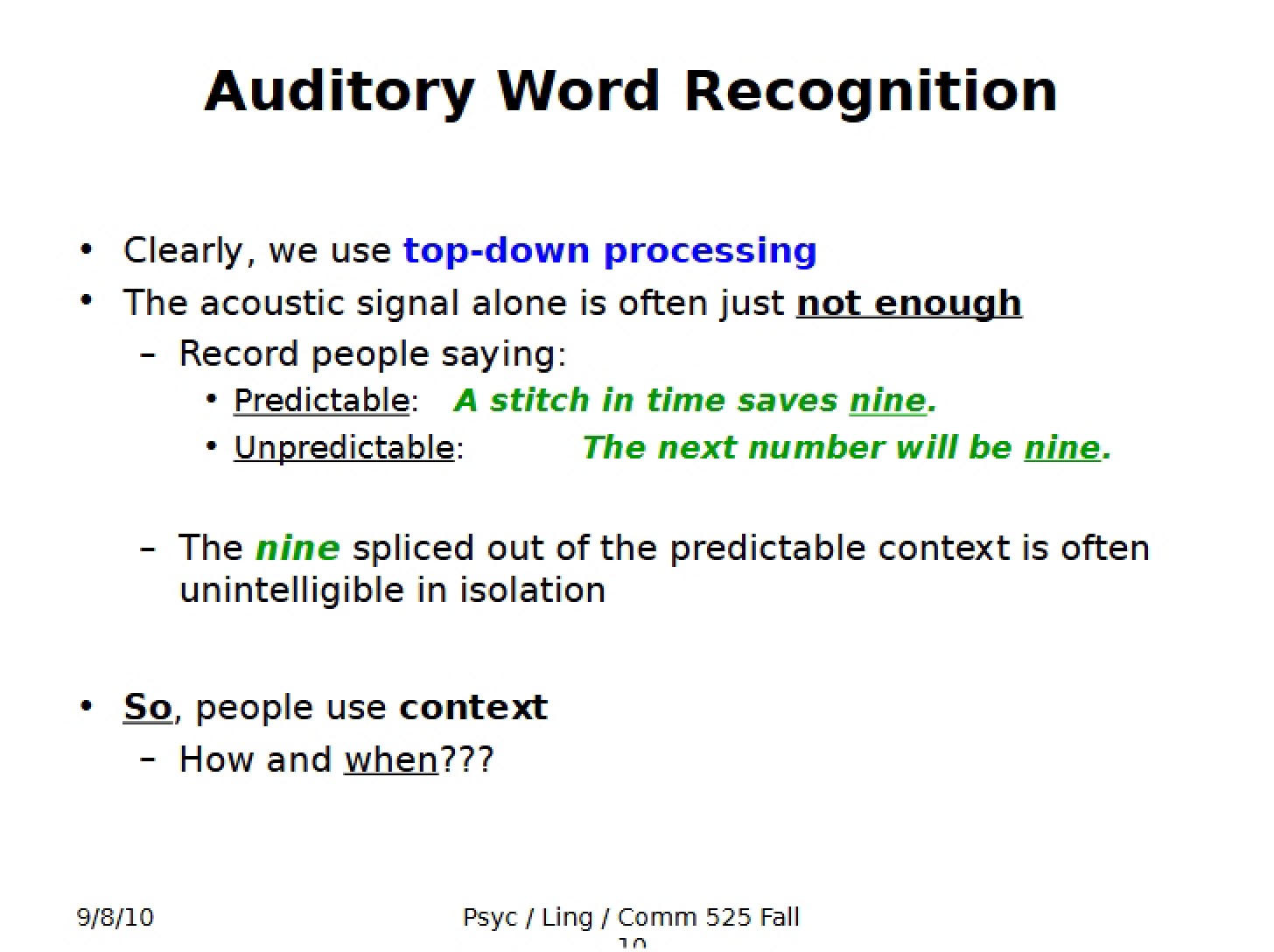
This is an in-depth exploration of speech perception, a core topic within the field of Psycholinguistics. Specifically, it delves into the cognitive processes involved in how humans understand spoken language. It examines the complexities of transforming acoustic signals into meaningful linguistic units, bridging the gap between sound and comprehension. The material originates from advanced coursework at the University of Illinois at Urbana-Champaign (PSYC 525).
Why This Document Matters
This resource is invaluable for students of psycholinguistics, cognitive psychology, speech-language pathology, and related disciplines. It’s particularly useful for those seeking a comprehensive understanding of the theoretical frameworks and research surrounding speech processing. It would be beneficial when studying the foundations of language comprehension, preparing for advanced coursework, or conducting research in areas like auditory processing and linguistic analysis. Anyone needing a strong grasp of how the brain decodes speech will find this a helpful resource.
Common Limitations or Challenges
This material presents a complex and nuanced view of speech perception. It does *not* offer practical exercises or step-by-step guides for speech therapy or language acquisition. It focuses on the theoretical underpinnings and research findings, rather than clinical applications. Furthermore, it assumes a foundational understanding of linguistic terminology and cognitive science principles. It won’t provide a basic introduction to psycholinguistics; rather, it builds upon existing knowledge.
What This Document Provides
* An overview of the historical development of speech perception research.
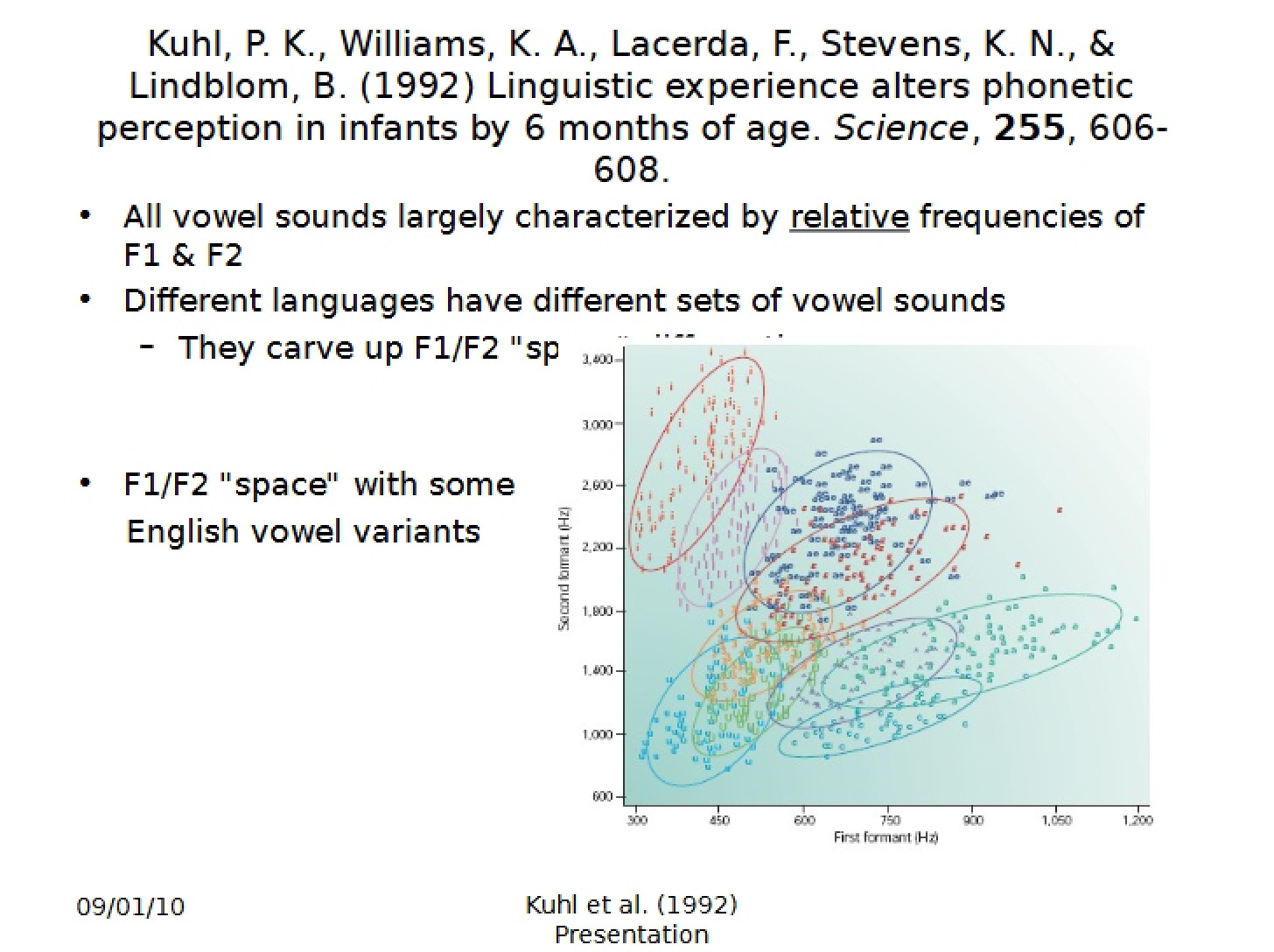
* Exploration of different theoretical approaches to understanding phonetic and phonemic processing.
* Discussion of the interplay between acoustic properties of speech and higher-level linguistic representations.
* Analysis of the dynamic nature of speech perception and how it adapts to varying input.
* Consideration of statistical and perceptual learning mechanisms in speech processing.
* Insights into the challenges and complexities of recognizing new words.