What This Document Is
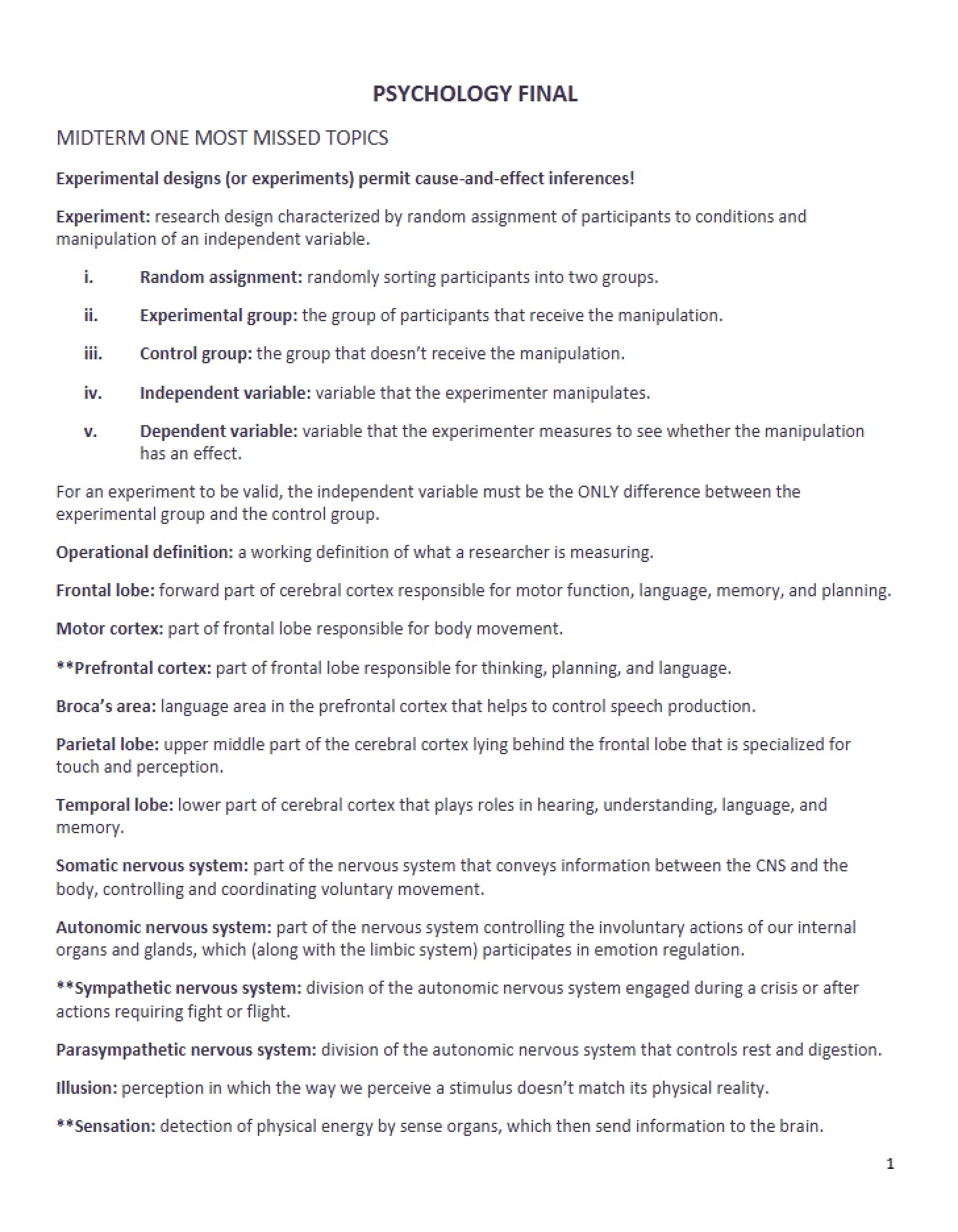
This resource is a focused exploration of the foundational concepts of sensation and perception within the field of psychology. Designed for students in an introductory psychology course, it delves into how we experience the world around us, moving beyond simply *detecting* stimuli to *interpreting* that information. It’s a core topic for understanding the basis of how our minds work and how we interact with our environment.
Why This Document Matters
This material is particularly helpful for students seeking a clear understanding of the initial stages of cognitive processing. It’s ideal for those preparing for exams, working on assignments related to sensory systems, or simply wanting to build a strong foundation in psychological principles. Understanding sensation and perception is crucial for grasping more complex topics later in your psychology studies, such as cognition, consciousness, and even social behavior.
Topics Covered
* The fundamental differences between sensation and perception
* The roles of various sense organs in detecting stimuli
* Processes involved in converting external energy into neural signals
* How our brains adapt to constant stimulation
* Concepts related to thresholds of detection and noticeable differences
* The interplay between different sensory modalities
* How the brain organizes and interprets incoming sensory information
* Exploration of processing approaches – both bottom-up and top-down
* The intriguing phenomenon of subliminal perception
What This Document Provides
* A structured overview of key terminology related to sensation and perception.
* An examination of the pathways sensory information takes to the brain.
* Insights into how our brains make sense of the constant stream of stimuli we encounter.
* A framework for understanding the complexities of sensory experience.
* A foundation for further exploration of related topics in psychology.