What This Document Is
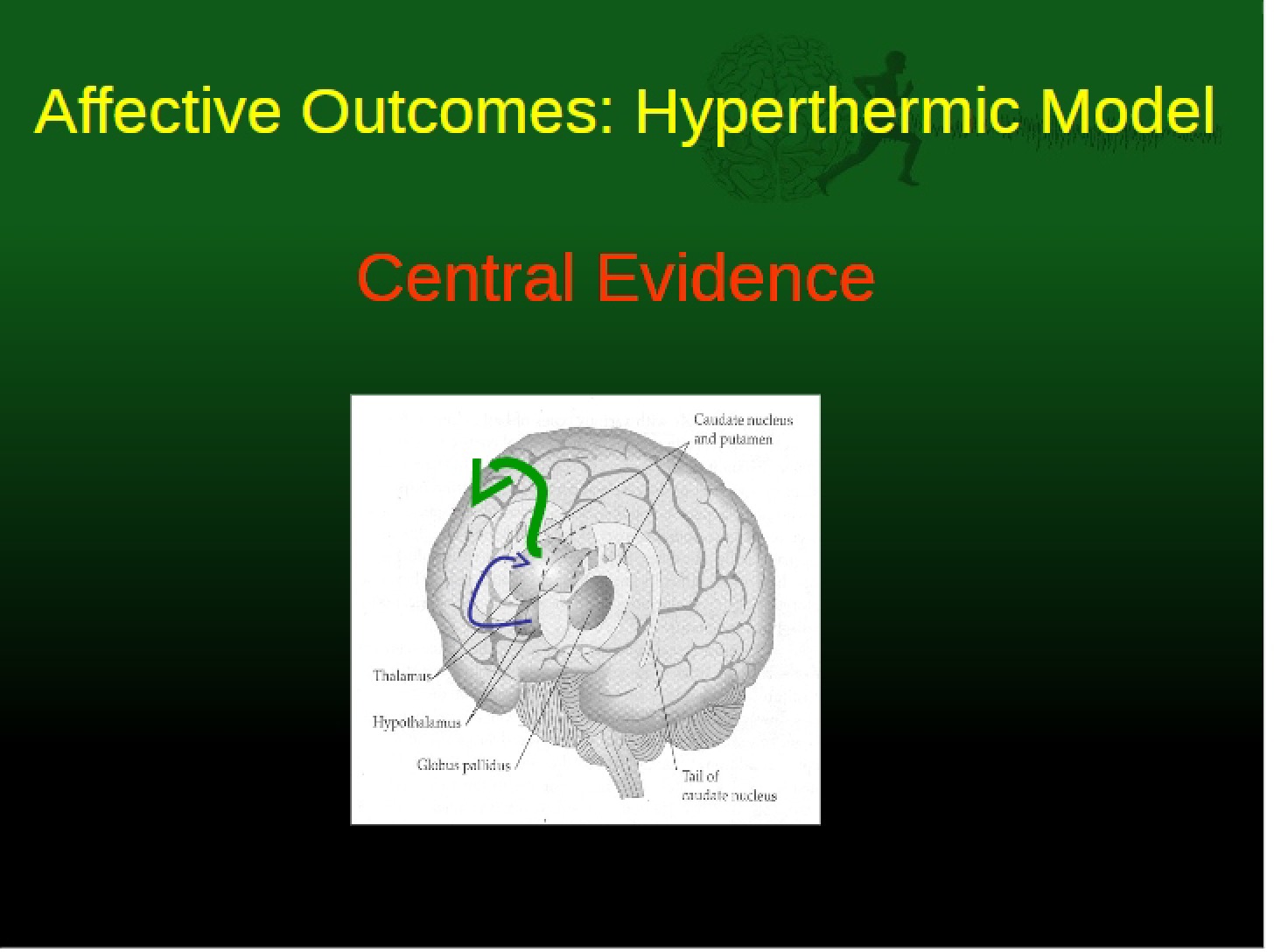
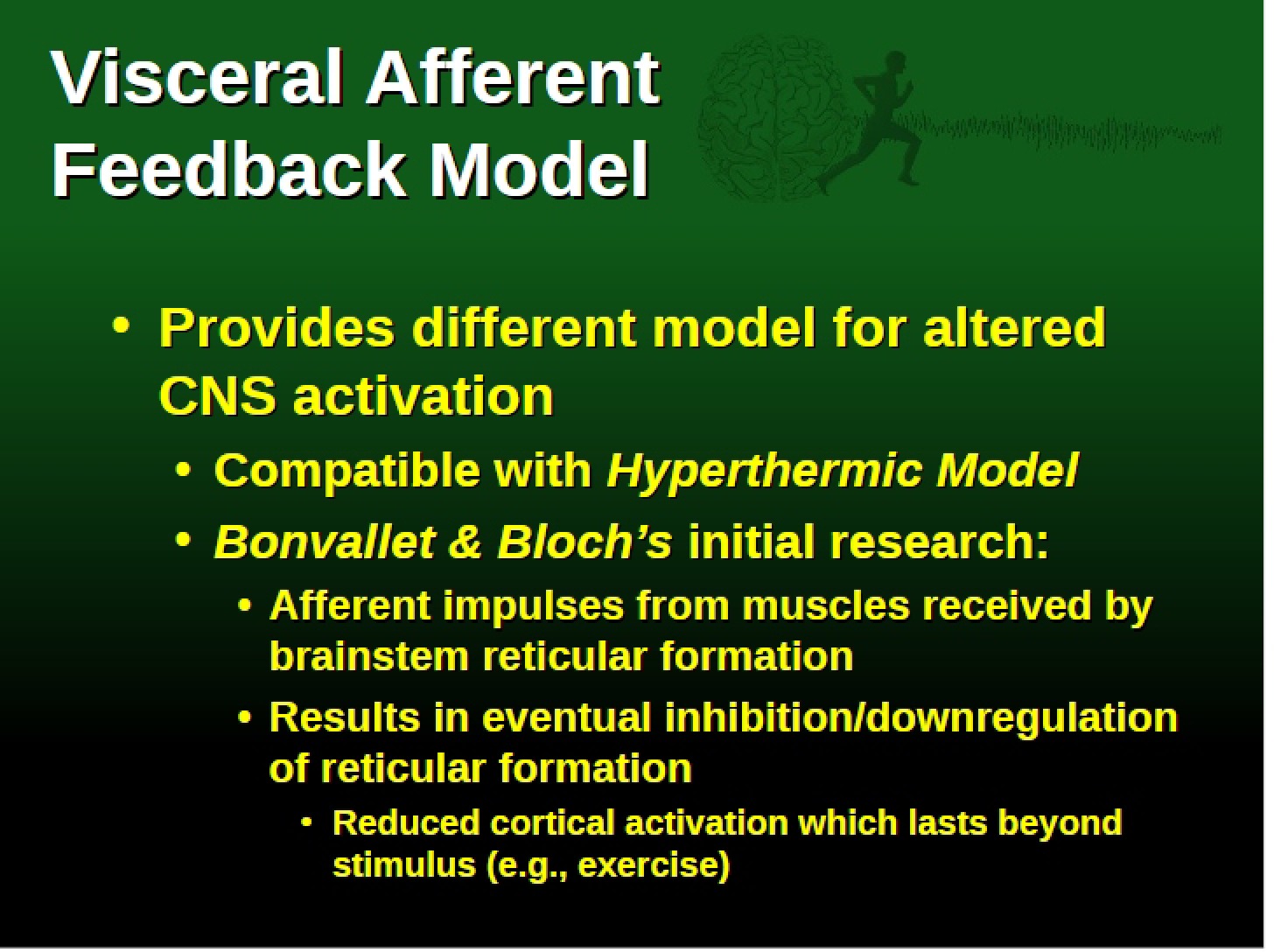
This is a detailed exploration of research surrounding the Peripheral Hyperthermic Model, a theory within the field of psychophysiology. Specifically, it delves into studies investigating the relationship between body temperature changes – particularly increases – and psychological states like anxiety and mood. This resource focuses on empirical evidence examining how peripheral temperature manipulation and exercise-induced thermogenesis may influence affective experiences. It’s designed for students seeking an in-depth understanding of this model and the research supporting (or challenging) its core tenets.
Why This Document Matters
Students enrolled in advanced Kinesiology or Exercise Physiology courses, particularly those focusing on psychophysiology, will find this resource invaluable. It’s especially helpful when studying the physiological underpinnings of mood, anxiety, and the mind-body connection. This guide is beneficial when preparing for coursework, conducting literature reviews, or seeking a deeper understanding of the thermogenic hypothesis beyond standard textbook material. Researchers interested in the physiological basis of psychological wellbeing may also find it useful as a starting point for further investigation.
Common Limitations or Challenges
This resource is a focused review of specific studies related to the Peripheral Hyperthermic Model. It does *not* provide a comprehensive overview of all psychophysiological theories of mood or anxiety. It also doesn’t offer definitive conclusions about the model’s validity – rather, it presents the evidence as it currently stands, including noted limitations within the research itself. It is a deep dive into existing research, and won’t function as a standalone introduction to psychophysiology.
What This Document Provides
* Detailed summaries of key studies investigating the relationship between temperature and affective states.
* Analysis of research methodologies used to induce temperature changes (e.g., exercise, immersion techniques).
* Examination of participant characteristics and experimental setups across multiple studies.
* Overview of measured variables, including core temperature, anxiety levels, and physiological indicators.
* Discussion of potential confounding factors and limitations identified within the original research.