What This Document Is
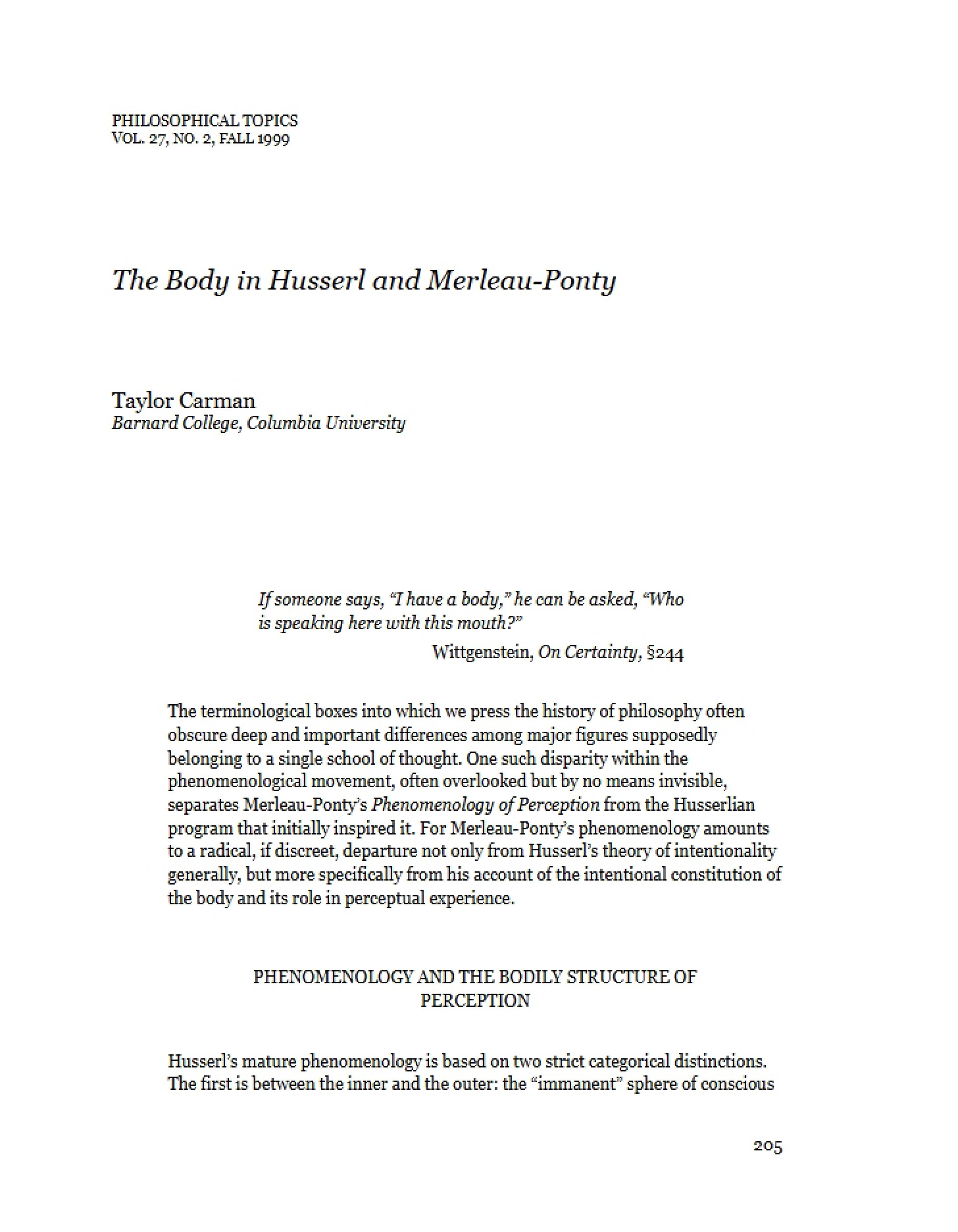
This is an in-depth exploration of key concepts within Maurice Merleau-Ponty’s *Phenomenology of Perception*, specifically focusing on the interplay between sensation, judgment, and the “phenomenal field.” It’s a focused analysis intended for students of phenomenology and philosophy of mind, originating from a course at the University of California, Berkeley. The work delves into the foundations of perceptual experience, examining how we access and understand the world around us.
Why This Document Matters
This resource is ideal for students grappling with the complexities of Merleau-Ponty’s work, particularly those seeking a deeper understanding of his critiques of both empiricism and intellectualism. It’s most valuable when used as a companion to reading *Phenomenology of Perception* itself, offering a focused lens through which to interpret its arguments. It will be particularly helpful for those preparing for advanced philosophical discussions or writing assignments related to perception, consciousness, and embodiment.
Topics Covered
* Critiques of Empiricism and Intellectualism in perceptual theory
* The concept of “sensation” and its theoretical implications
* The nature of the “phenomenal field” as a dimension of embodied experience
* The relationship between perception, judgment, and cognition
* Historical context of Merleau-Ponty’s work within the philosophy of mind
* Connections between phenomenology and contemporary cognitive science
What This Document Provides
* A detailed examination of Merleau-Ponty’s central arguments regarding perception.
* An analysis of how his ideas challenge traditional philosophical approaches to the mind-body problem.
* A focused exploration of the “phenomenal field” and its significance for understanding our experience.
* A contextualization of Merleau-Ponty’s work within the broader history of philosophical thought.
* A framework for understanding the ongoing relevance of his ideas to contemporary debates in philosophy and psychology.