What This Document Is
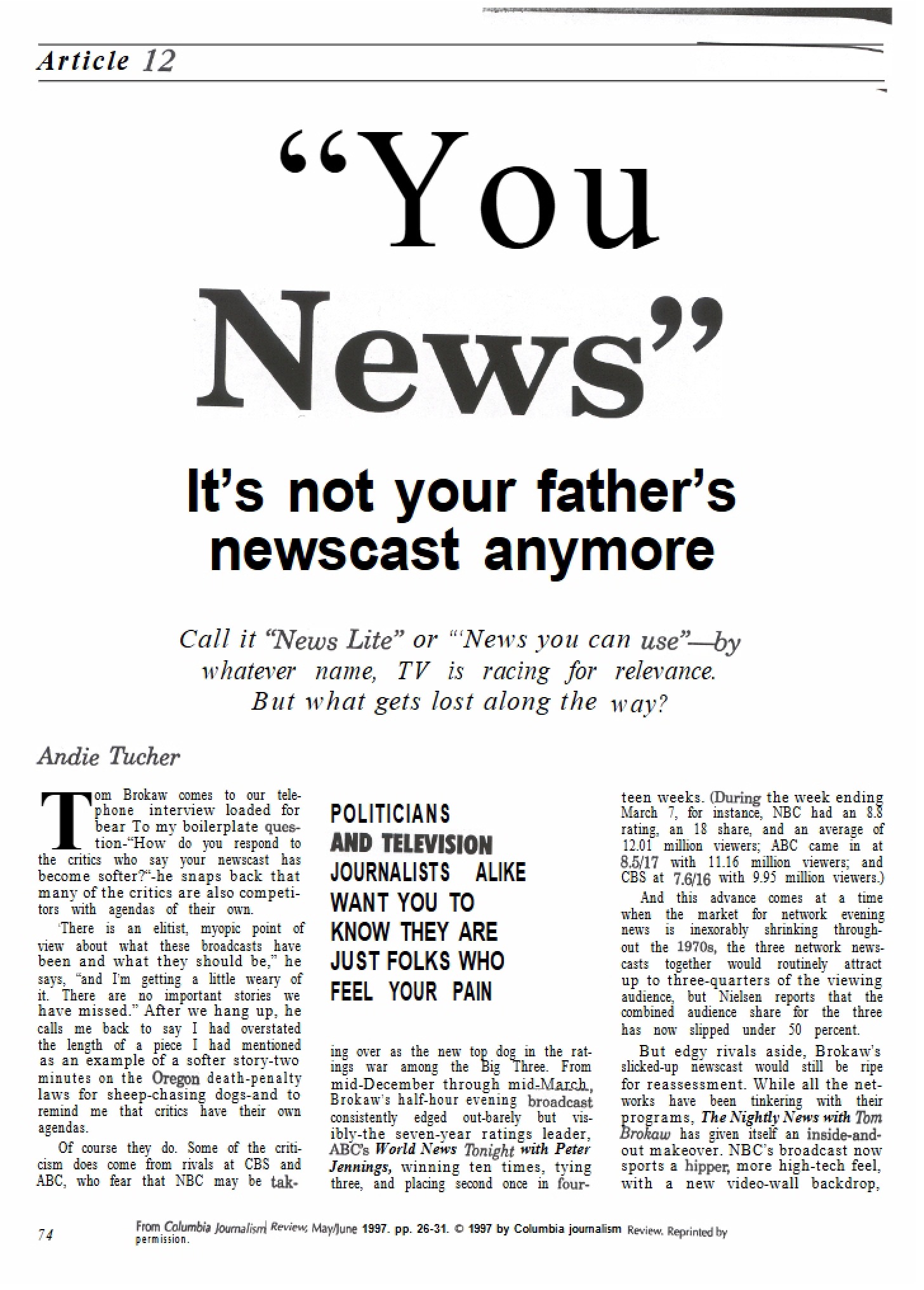
This document is a scholarly article originally published in *Columbia Journalism Review* examining the evolving relationship between advertising and editorial content in mass media. It delves into the pressures faced by magazines and newsweeklies to cater to the interests of major advertisers, and the potential consequences for journalistic independence. The piece offers a historical snapshot of a critical moment in media history, exploring concerns about the integrity of the press and the influence of commercial interests.
Why This Document Matters
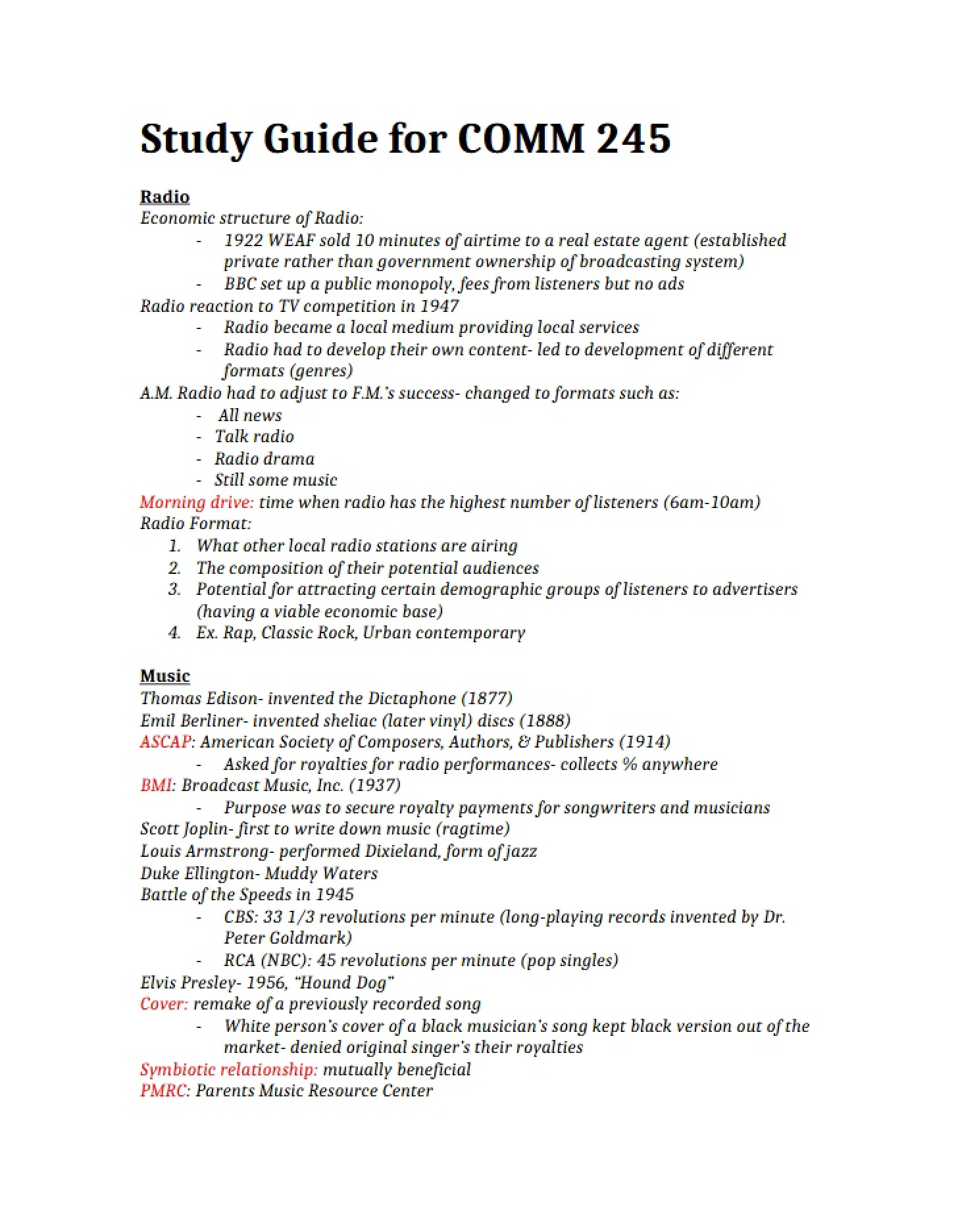
Students in Mass Communication and Culture (COMM 245) will find this reading particularly valuable when studying the dynamics of media ownership, advertising’s role in shaping content, and the ethical challenges faced by journalists. It’s especially relevant when considering the historical context of contemporary debates surrounding media bias, sponsored content, and the “attention economy.” This resource is ideal for supplementing lectures and providing a foundation for class discussions about the responsibilities of a free press.
Topics Covered
* The historical interplay between advertising revenue and editorial decision-making.
* Instances of advertiser influence on editorial content in magazines and newsweeklies.
* The potential for corporate pressure to compromise journalistic integrity.
* The concept of an “ad-edit wall” and its erosion.
* Concerns about the impact of advertiser demands on freedom of the press.
* The evolving power dynamics between media outlets and their advertisers.
What This Document Provides
* A case study of a specific instance where an advertiser attempted to exert control over editorial content.
* Accounts from individuals within the media industry regarding the increasing pressure from advertisers.
* A discussion of the potential ramifications of advertiser influence on news coverage.
* Insight into the ethical dilemmas faced by editors and publishers.
* A historical perspective on the challenges of maintaining journalistic independence in a commercially driven media landscape.