What This Document Is
This material offers a detailed exploration of the Phoenix Project, a software optimization and analysis framework developed by Microsoft. It delves into the architecture, capabilities, and practical applications of this research-focused compiler technology. The document serves as a comprehensive overview for those seeking to understand advanced compiler design principles and the implementation of optimization techniques. It’s geared towards a technical audience with a foundation in compiler concepts.
Why This Document Matters
Students enrolled in compiler design courses, particularly those at the upper undergraduate or graduate level, will find this resource exceptionally valuable. It’s also beneficial for researchers investigating compiler construction, program analysis, and code optimization. Professionals involved in software development and performance engineering may leverage the insights presented to better understand compiler technologies and their impact on application behavior. This material is particularly useful when studying intermediate representations and the challenges of targeting diverse hardware architectures.
Topics Covered
* The overall architecture of the Phoenix framework
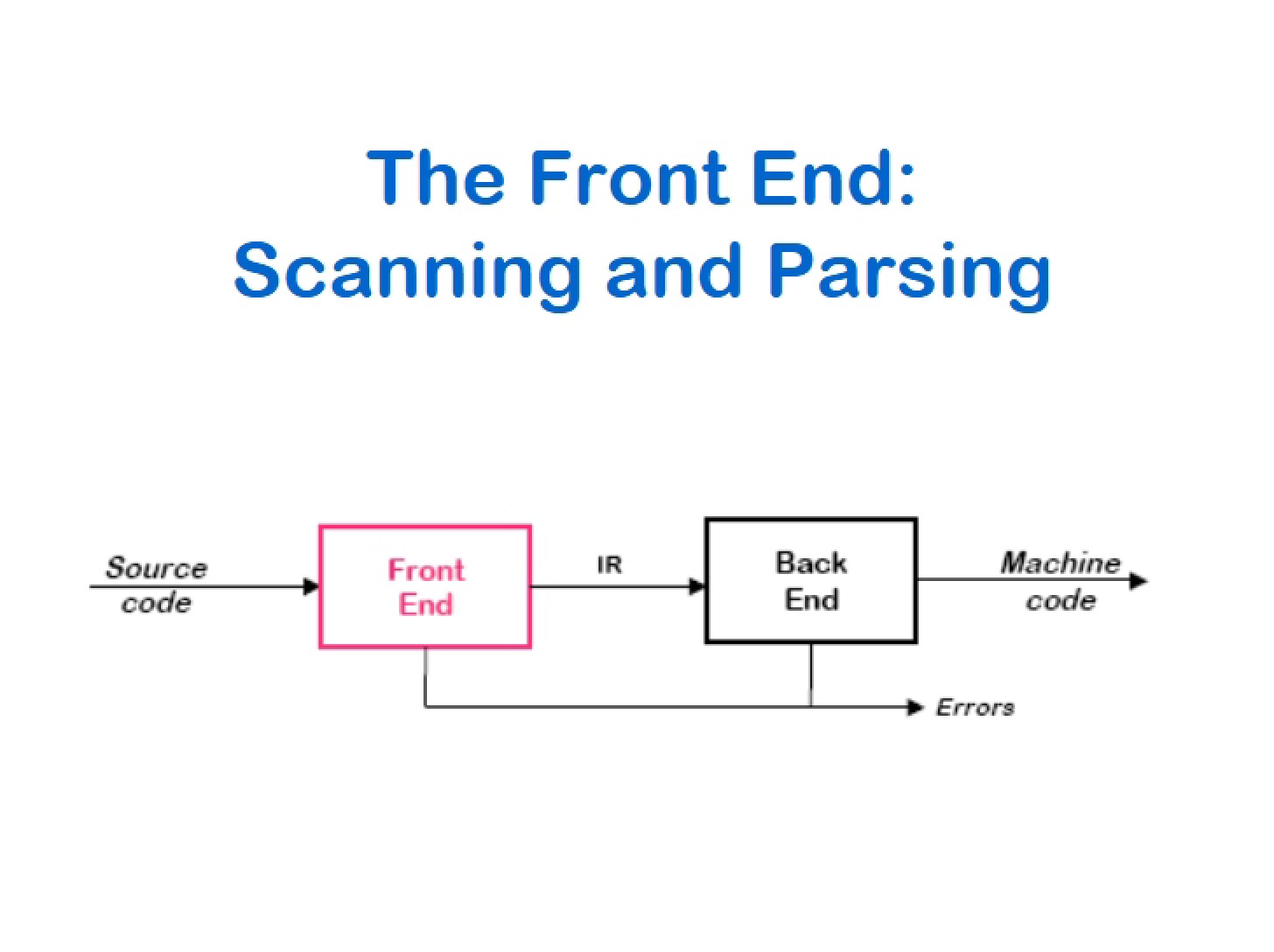
* Front-end considerations, including input language support (binary code, CIL, C++)
* Middle-end optimization phases and their role in improving code performance
* Back-end code generation strategies for various target architectures
* Program analysis techniques employed within the Phoenix framework
* The strengths and limitations of the Phoenix approach
* Real-world applications and research utilizing the Phoenix RDK
* Future development goals and potential expansion of the framework
What This Document Provides
* A high-level overview of the Phoenix Research Development Kit (RDK)
* An examination of the framework’s modular design and extensibility
* Insights into the integration of optimizations and program analysis tools
* Discussion of supported and planned target architectures (x86, x64, ia64, ARM, etc.)
* A conceptual understanding of how Phoenix facilitates code injection into managed and native code environments
* A glimpse into the framework’s usage in projects like the Windows OS and JIT compilers.