What This Document Is
This is a detailed exploration of two crucial processes in cellular energy production: photophosphorylation and oxidative phosphorylation. It delves into the mechanisms by which cells generate ATP, the primary energy currency, focusing on the roles of electron transport chains and chemiosmosis. The material is geared towards students in an introductory biochemistry course and draws from established texts in the field.
Why This Document Matters
Students enrolled in biochemistry, molecular biology, or related life science courses will find this resource particularly valuable. It’s ideal for those seeking a deeper understanding of how energy is harvested from nutrients and light, and how that energy is converted into a usable form for cellular work. This material is especially helpful when studying cellular respiration, photosynthesis, and metabolic pathways. It serves as a strong foundation for more advanced topics in bioenergetics.
Topics Covered
* Mitochondrial structure and its relevance to oxidative phosphorylation
* The components of the electron transport chain and their organization
* Electron carriers and their roles in redox reactions
* The generation and utilization of proton gradients
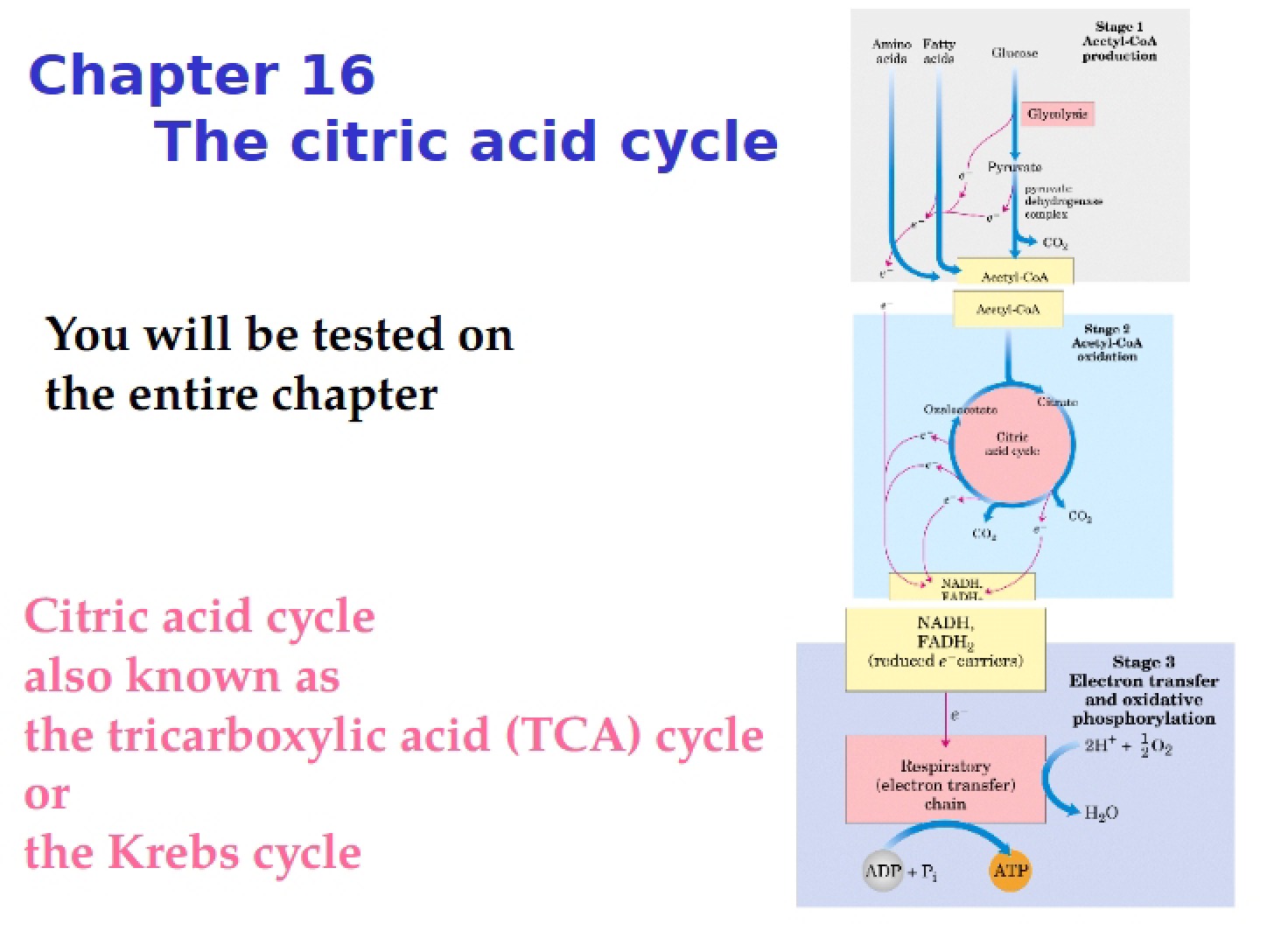
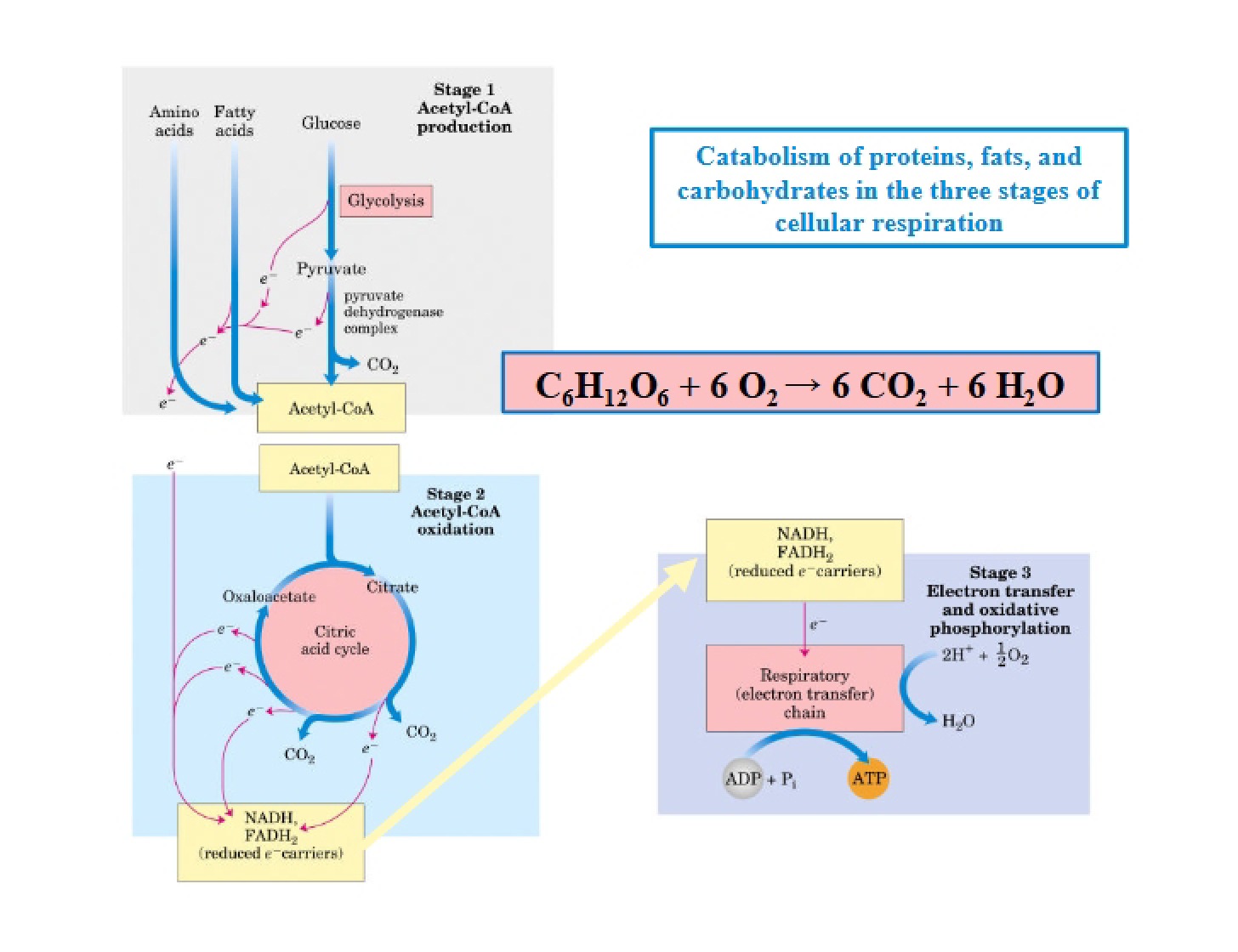
* The connection between the TCA cycle, glycolysis, and the electron transport chain
* An overview of the protein complexes involved in electron transfer
* Key differences and similarities between oxidative and photophosphorylation
What This Document Provides
* Diagrams illustrating the inner structure of mitochondria and the location of key processes.
* Detailed descriptions of the enzyme complexes involved in electron transport.
* Information on prosthetic groups and their function within the electron transport chain.
* A comparative overview of energy levels during electron transfer.
* References to established biochemistry textbooks (Garrett & Grisham, Lehninger Principles of Biochemistry) for further study.
* An exploration of how electrons are fed into the ubiquinone system.