What This Document Is
This study guide provides a focused overview of fundamental concepts in human physiology, specifically relating to the organization of the body at the tissue level. It delves into the four primary tissue types – epithelial, connective, muscular, and nervous – and explores their distinct characteristics and roles within the human body. The guide also introduces the concept of organ systems and their interconnectedness in maintaining overall bodily function. It appears to be structured as lecture notes, likely compiled for a university-level course.
Why This Document Matters
This resource is ideal for students enrolled in introductory physiology courses, particularly those seeking to solidify their understanding of foundational biological principles. It’s beneficial for students who are visually oriented and prefer a concise, organized presentation of key information. Use this guide to supplement textbook readings, prepare for quizzes, or review before larger exams. It’s particularly helpful for grasping the ‘big picture’ of how different tissues contribute to the function of organs and systems. Students struggling with the complex interplay of bodily structures will find this a valuable aid.
Common Limitations or Challenges
This guide is designed to be a focused overview and does *not* provide exhaustive detail on every aspect of tissue physiology. It does not include in-depth explorations of specific diseases or clinical applications. Furthermore, it doesn’t offer practice problems or detailed experimental protocols. It’s intended as a learning *support*, not a replacement for comprehensive course materials or active participation in lectures and labs. It assumes a basic understanding of cellular biology.
What This Document Provides
* A categorized breakdown of the four main tissue types found in the human body.
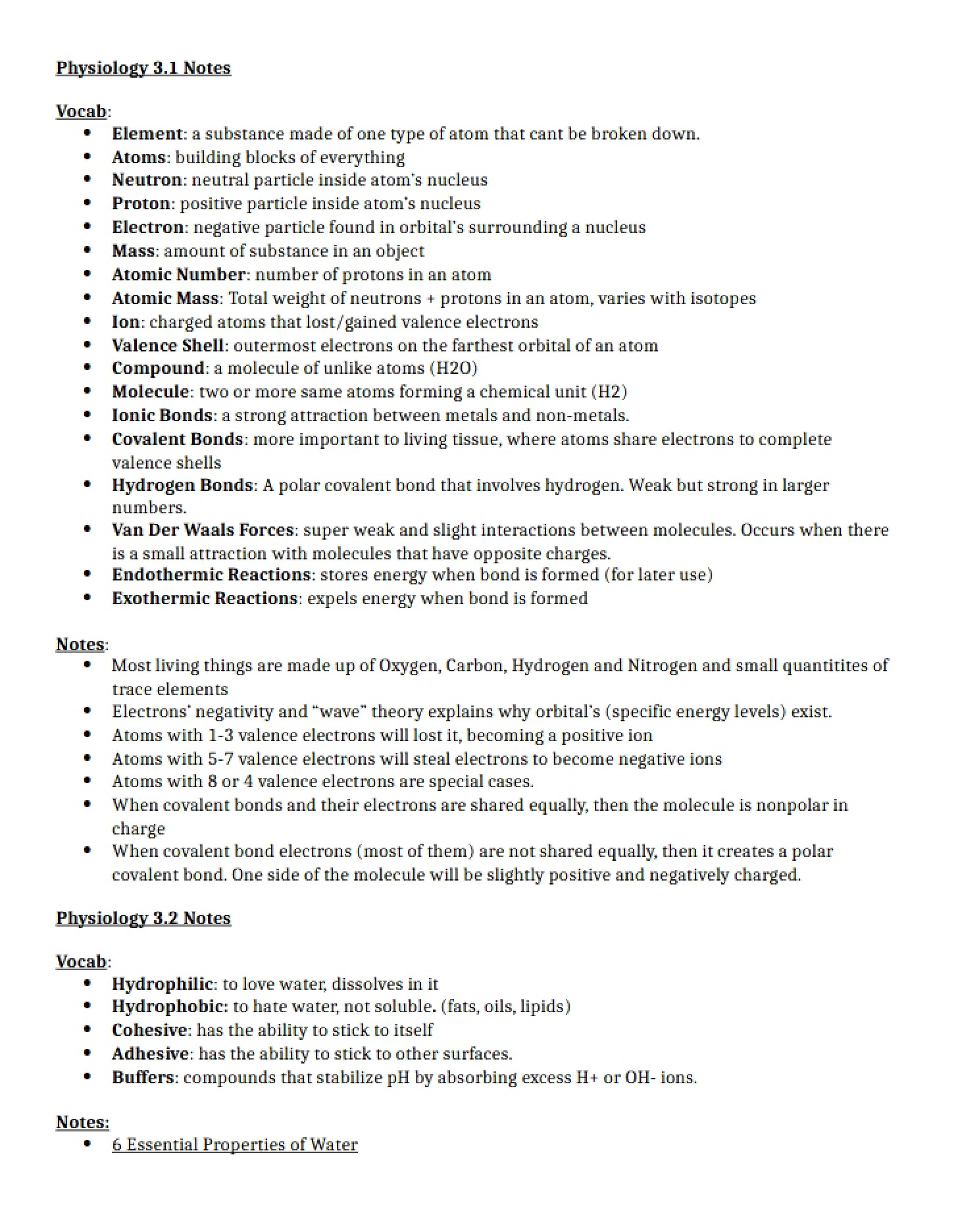
* Key terminology related to tissue structure and function.
* An overview of the different subtypes within epithelial and connective tissues.
* A discussion of the roles of various organ systems in maintaining homeostasis.
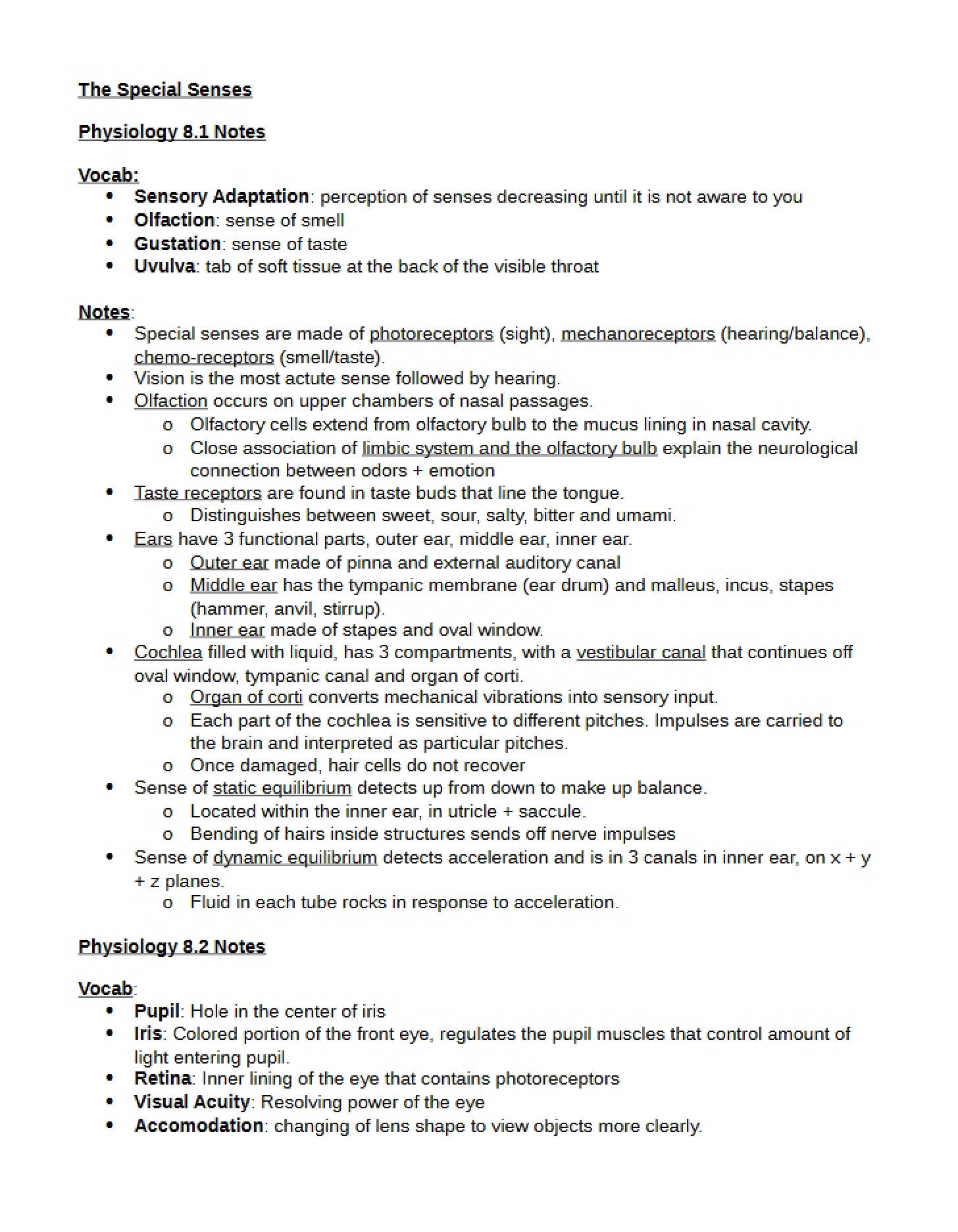
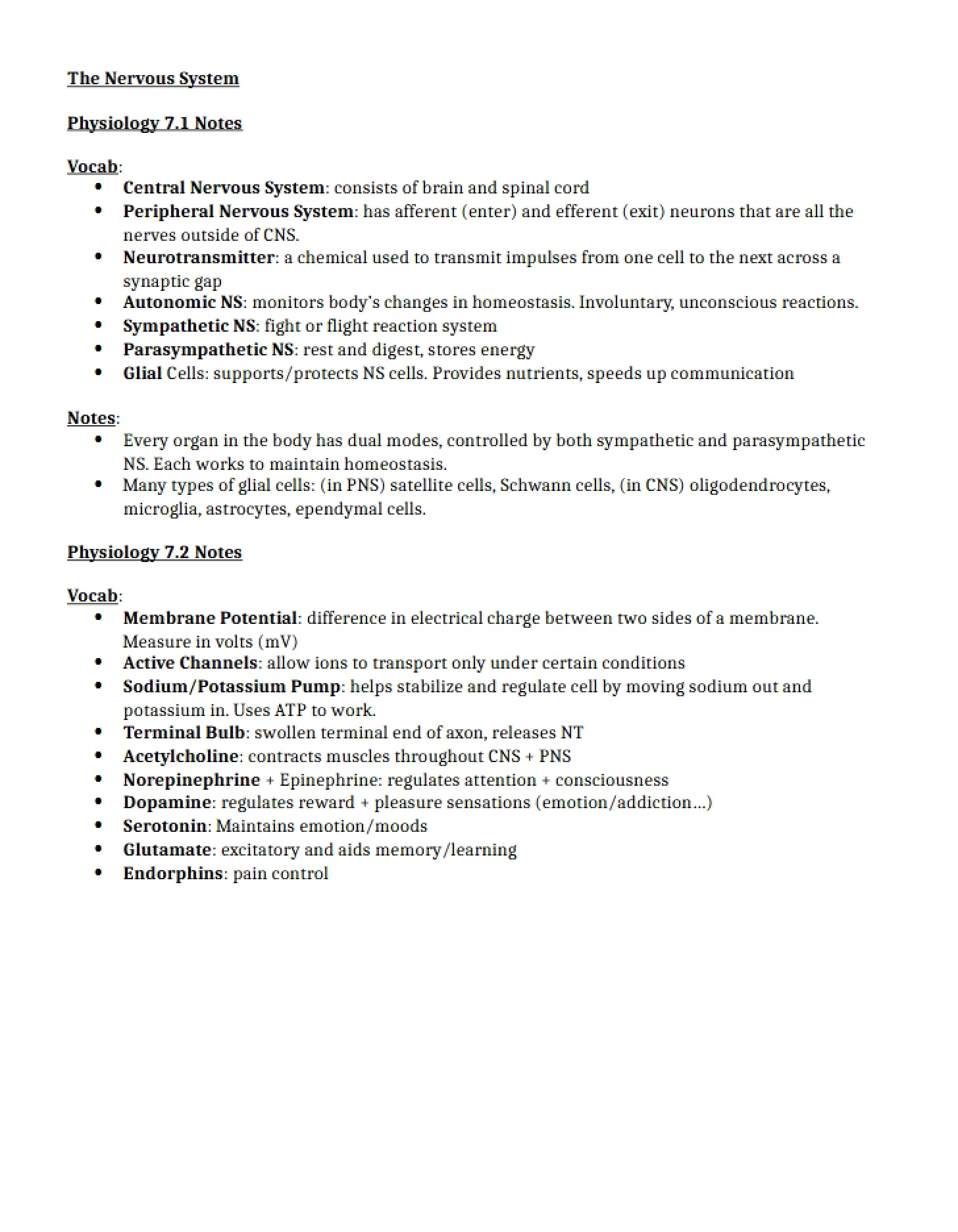
* An introduction to the components of nervous tissue and their functions.
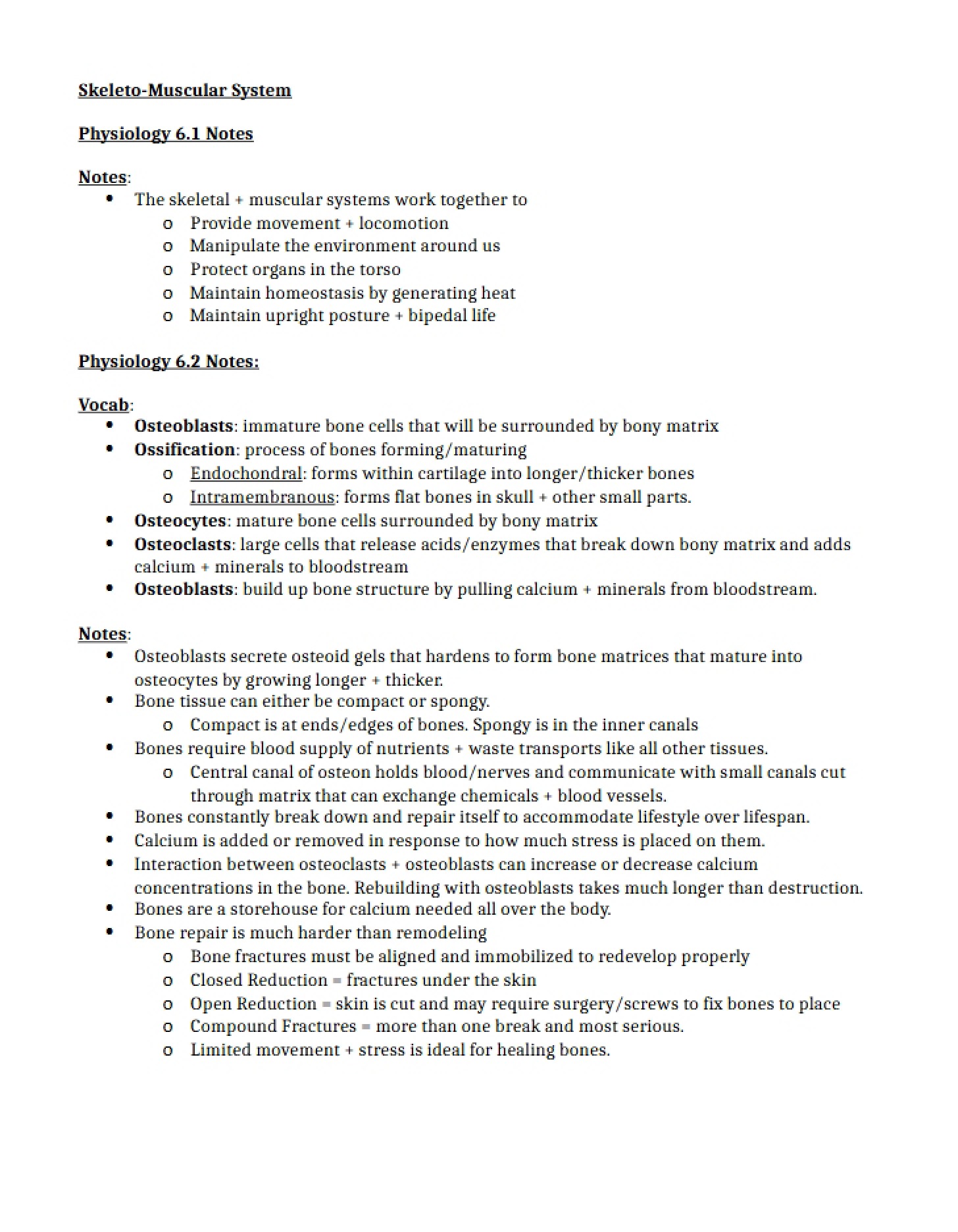
* Definitions of important physiological terms related to bone and muscle tissue.